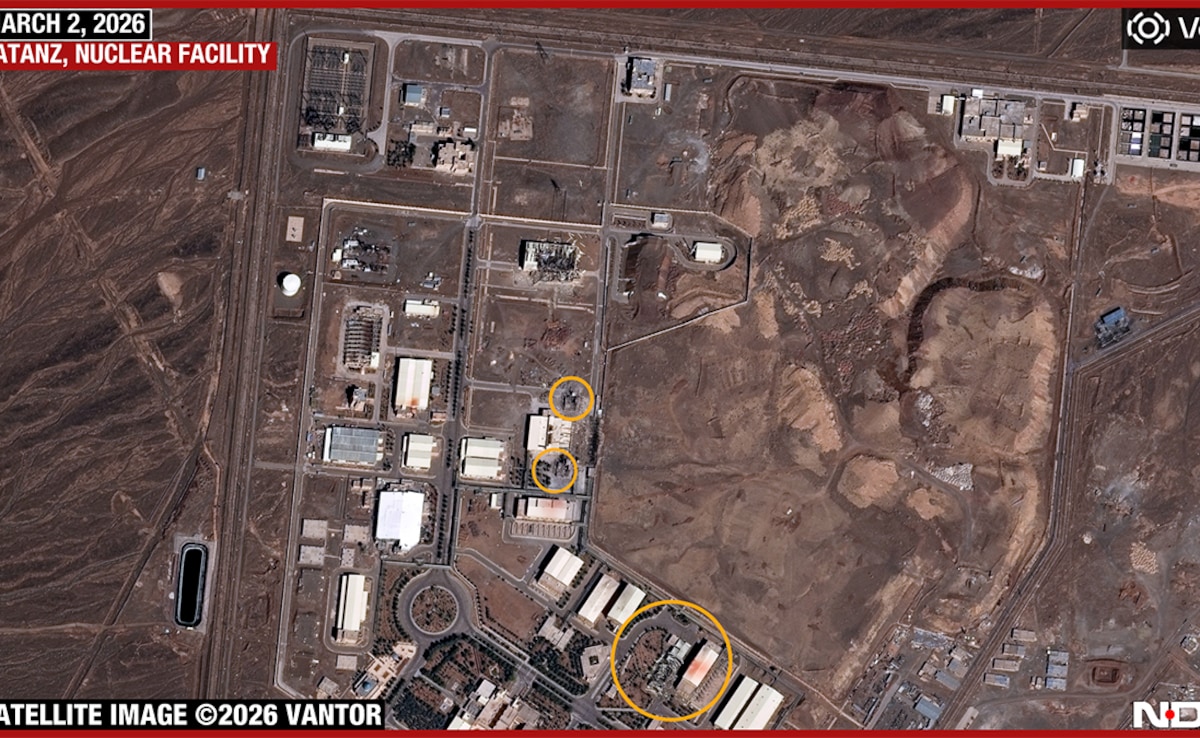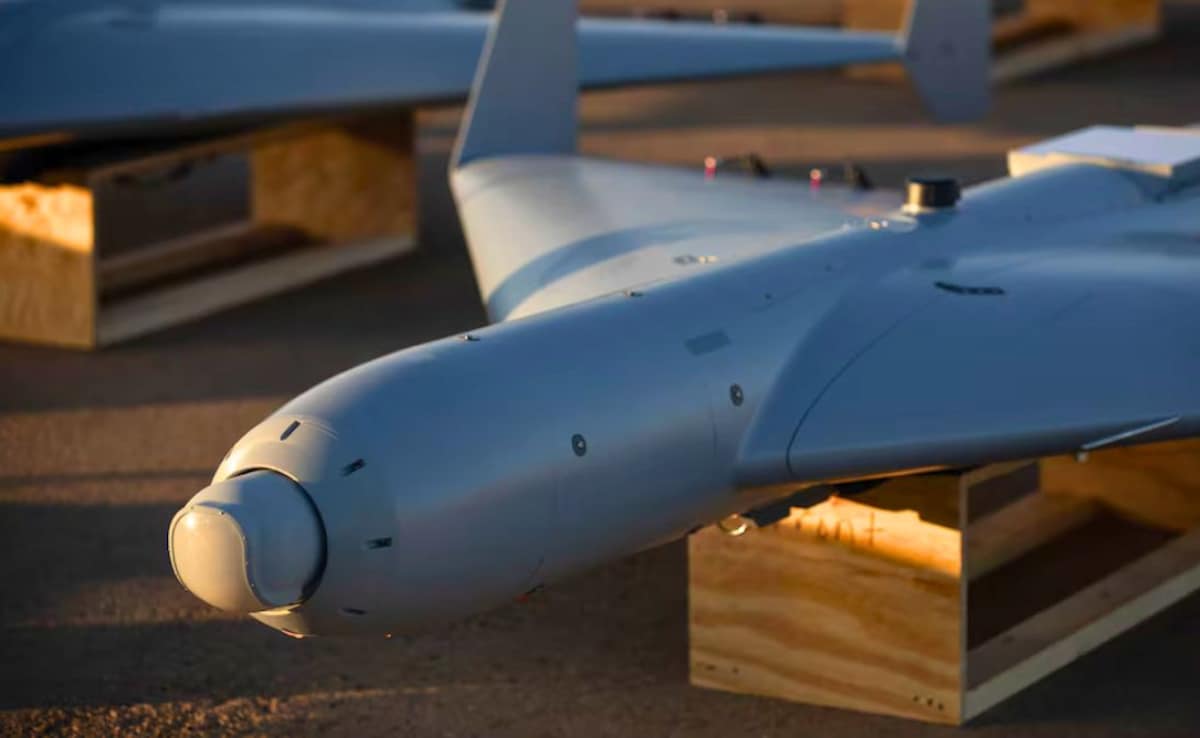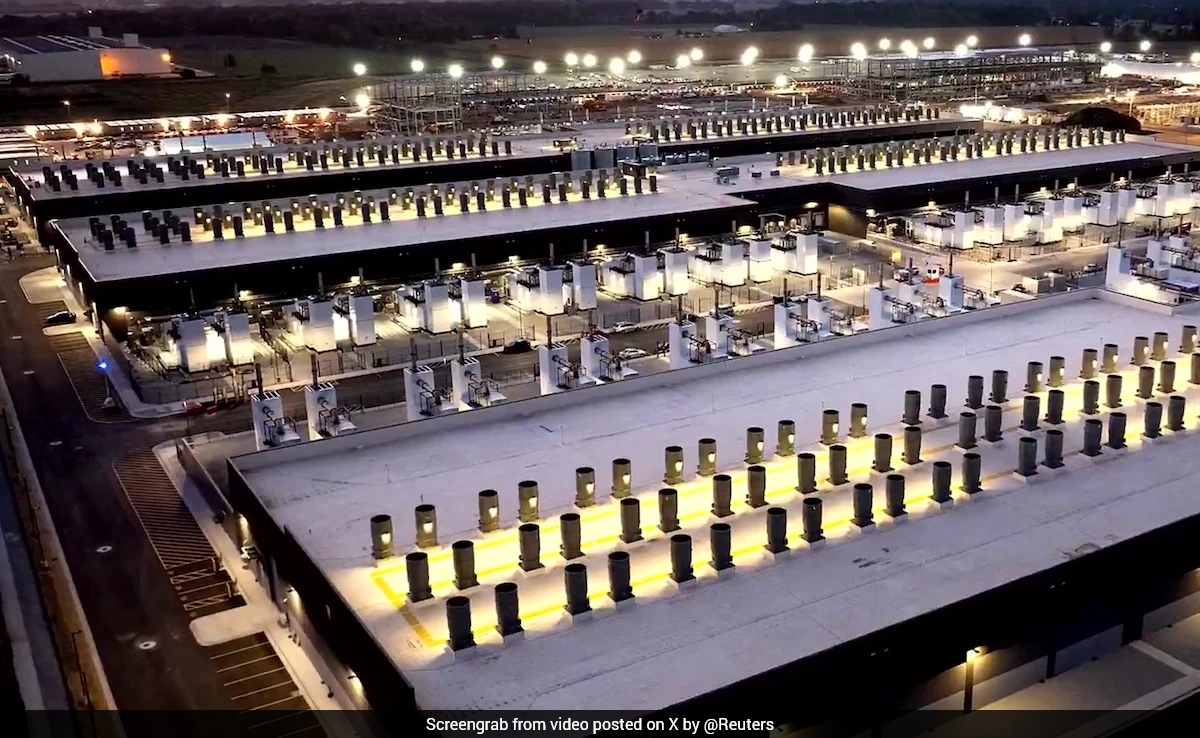
Military analysts are currently obsessed with the smoking ruins of server farms in the Levant. They see a drone punch through a cooling manifold and declare it the birth of "Next-Gen Warfare." They are wrong. They are staring at the spark while the house is being sold out from under them.
The narrative being pushed by defense contractors and breathless journalists is simple: data centers are the new high-value targets, the "oil refineries of the 21st century." By hitting the hardware, you blind the AI, starve the logistics, and cripple the state. It’s a clean, cinematic theory that justifies billions in new physical security spending. It’s also a fundamental misunderstanding of how digital power actually functions.
Physical destruction is the least efficient way to win a data war. If you are sending a $50,000 loitering munition to blow up a $2 million rack of H100s, you have already lost the economic argument. You are fighting a 20th-century kinetic war against a 21st-century distributed ghost.
The Myth of the "Heart"
The "Pivot to Data Center Warfare" assumes that data centers are centralized hearts. Kill the heart, the body dies. This is a legacy mindset born of the Industrial Age. In that era, you bombed the steel mill because you couldn't move a blast furnace.
Modern data is fluid. Through virtualization and high-speed fiber backbones, the "brain" of a Middle Eastern military operation isn't necessarily sitting in a concrete box in Riyadh or Doha. It is mirrored in Frankfurt, cached in Marseille, and processed in northern Virginia.
When a drone hits a data center today, it doesn't "kill" the data. It triggers a failover protocol. Latency might spike for a few milliseconds. A few thousand hard drives become scrap metal. But the state’s ability to wage war remains intact because the intelligence is decoupled from the geography.
I’ve watched Tier 1 providers handle massive physical outages. They don't panic. They reroute. The idea that a few localized strikes signal a "pivot" in warfare ignores the reality of the global mesh. We aren't moving toward a "next-gen" war of blowing things up; we are moving toward a war where the physical location of the server is the most irrelevant variable in the equation.
The Cost-Incompetence Ratio
Let’s talk about the math that the "experts" ignore. A single modern data center can house tens of thousands of servers. To actually "blind" a sophisticated adversary, you don't need one lucky drone strike. You need a sustained, massive aerial campaign that looks more like the 1944 bombing of Dresden than a surgical "next-gen" operation.
- Hardened Infrastructure: These aren't office buildings. They are windowless bunkers with reinforced concrete, redundant power grids, and specialized fire suppression.
- The Cooling Fallacy: Analysts love to point at cooling towers as a "soft underbelly." Yes, if you hit the chillers, the servers overheat. But any facility worth its salt has internal thermal mass and backup systems that buy hours, if not days, of operation.
- The Price of Kinetic Success: By the time you’ve successfully suppressed a regional data hub via physical strikes, you’ve spent more on munitions and SEAD (Suppression of Enemy Air Defenses) than the cost of the hardware you destroyed.
The "lazy consensus" says these strikes are efficient. The reality is they are an admission of failure. If you have to use a bomb, it’s because you weren't smart enough to use a script.
The Real Warfare is Invisible and Eternal
While the media focuses on the kinetic "kaboom," the actual pivot is happening in the BGP (Border Gateway Protocol) tables and the firmware of the routers.
If I want to cripple your war-fighting capability, I don’t want to blow up your data center. I want to own it. I want to subtly alter the weights of your targeting AI so it misidentifies 5% of its targets. I want to introduce a three-second delay in your command-and-control (C2) latency—just enough to make your high-speed interceptors miss, but not enough for your engineers to realize it’s an attack.
Kinetic strikes are loud. They trigger Article 5-style responses. They build national resolve.
Logical strikes are quiet. They erode trust in systems. They make the military wonder if their own tools are lying to them.
The "Next-Gen" warfare isn't about destroying the server; it’s about making the server your most effective double agent.
The Sovereignty Trap
Governments in the Middle East are currently obsessed with "Data Sovereignty"—building massive local data centers so their data doesn't live on foreign soil. They think this makes them safe.
It actually makes them vulnerable.
By centralizing their digital assets into a few "sovereign" megastructures, they are creating the very bullseyes that the drone-warfare advocates are salivating over. They are trying to apply 19th-century notions of borders to 21st-century bits.
True resilience isn't found in a "sovereign" bunker in the desert. It’s found in radical decentralization. It’s found in encrypted, fragmented data spread across a dozen jurisdictions, hidden in plain sight on public clouds.
The Security Industrial Complex is Lying to You
Why is the "Drone Strikes on Data Centers" narrative so popular? Follow the money.
If the threat is physical, you need:
- Kinetic Defense Systems: Surface-to-air missiles, C-RAM, anti-drone jammers.
- Physical Hardening: Lead-lined concrete, blast doors, perimeter security.
- Specialized Munitions: High-precision drones to carry out these strikes.
These are all high-margin hardware products sold by the traditional defense lobby. They love this narrative because it fits their existing manufacturing pipelines. They don't want to hear that a $100,000-a-year software engineer with a zero-day exploit is more dangerous than a Predator drone.
I have seen companies spend $50 million on physical security for a facility only to have their entire database exfiltrated because a sysadmin used "P@ssword123" on a remote login. The drone strike is the "security theater" of modern war. It looks great on the news, but it does almost nothing to change the outcome of the conflict.
Stop Asking "How Do We Protect the Building?"
If you are a CTO or a Minister of Defense asking how to harden your data center against drone strikes, you are asking the wrong question. You are preparing to defend a fort in an age of maneuver warfare.
The correct questions are:
- How fast can our stack rebuild itself in a different hemisphere?
- Is our data architecture "stateless" enough to survive the total vaporisation of our primary hub?
- Do we have the cryptographic integrity to know if our data was altered before it was moved?
The focus on drone strikes is a symptom of "Object Fetishism." We are obsessed with the shiny server rack and the exploding drone. We ignore the invisible flow of logic that actually dictates who wins and who loses.
The Brutal Reality of "Next-Gen"
The Middle East is currently a laboratory for this incompetence. We see actors using expensive drones to hit static targets because they lack the technical sophistication to execute a coordinated cyber-kinetic operation. It’s not a "pivot" to the future; it’s a regression to the past using newer toys.
The real next-gen warfare won't involve a single explosion. It will be the silent, systemic takeover of the adversary's decision-making loop. By the time the first drone launches, the war will have been over for months, decided in the quiet hum of a data center that no one bothered to bomb because it was more useful to the enemy while it was still running.
Stop watching the horizon for drones. Start watching the packets on your network. The explosion is just a distraction from the heist.
Build for the failure of the physical. Assume the building is already gone. If your strategy relies on the survival of a concrete box, you’ve already surrendered your sovereignty to whoever owns the most drones.
Move the data. Encrypt the logic. Abandon the bunker.