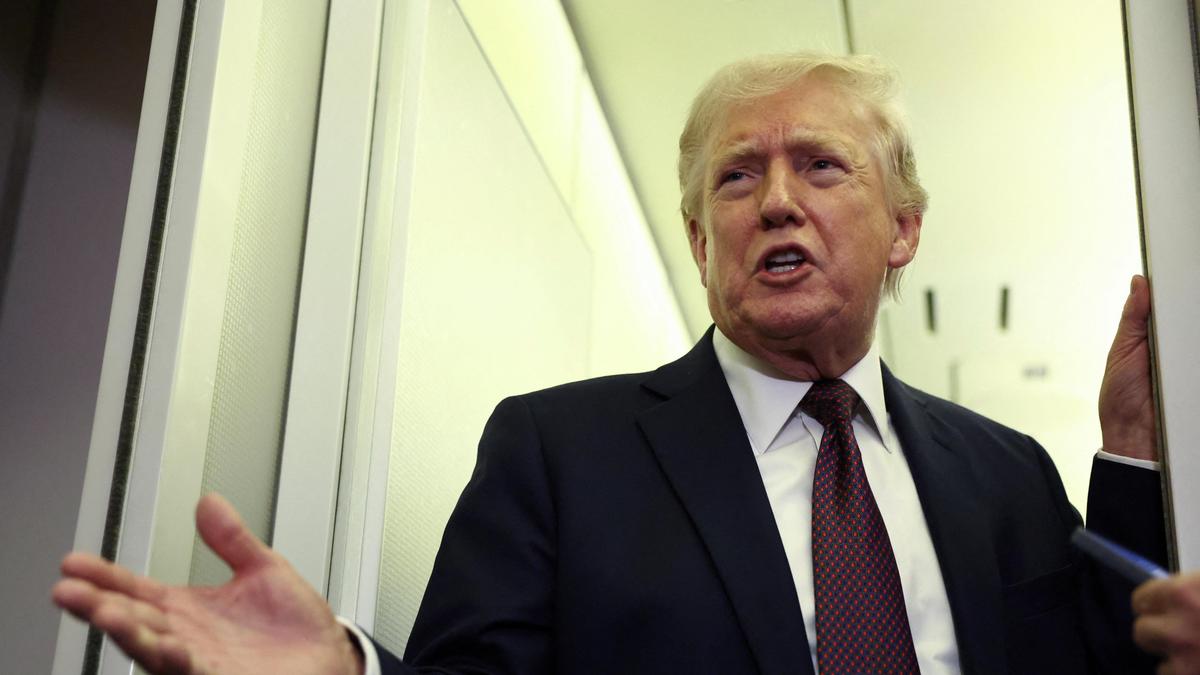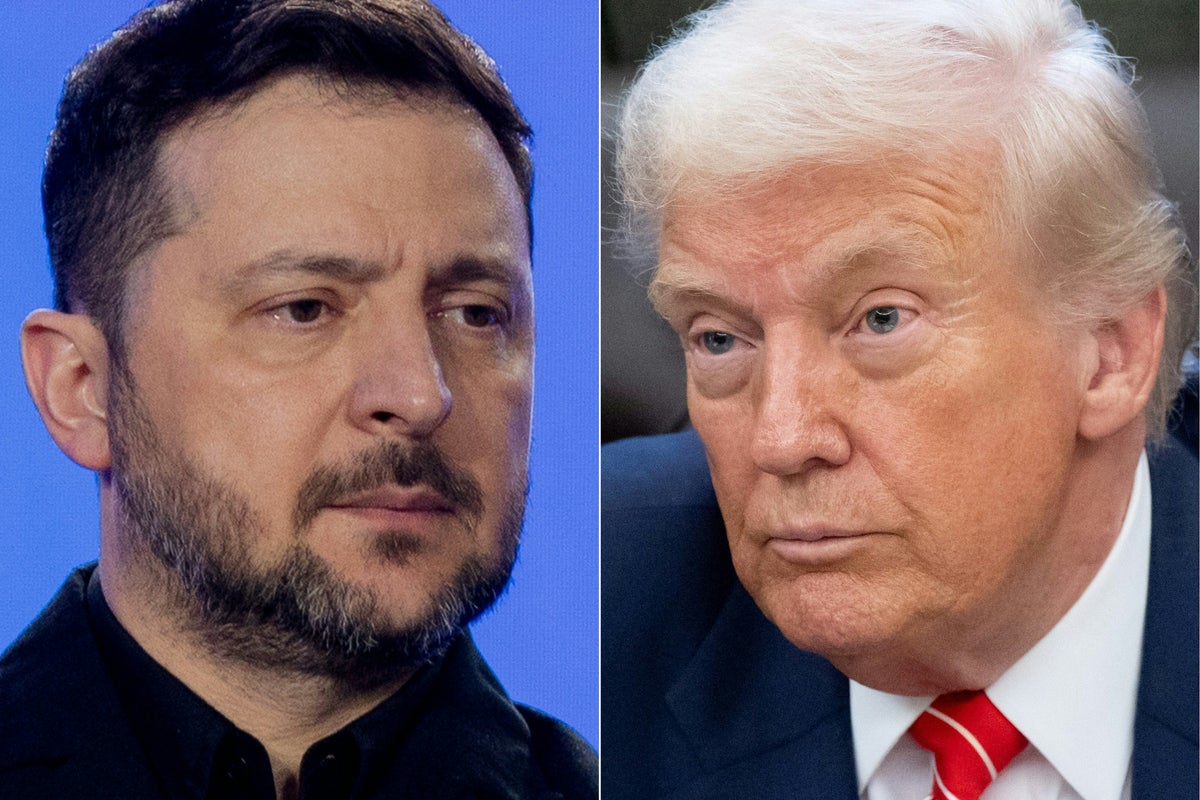
The intersection of modern warfare and high-stakes diplomacy just hit a brick wall. When Volodymyr Zelensky arrived with an offer to share Ukraine’s battle-tested drone integration secrets with the United States, the expected response was a handshake and a briefing. Instead, Donald Trump dismissed the overture, choosing to pivot the conversation toward a forced settlement with Vladimir Putin. This was not just a diplomatic snub. It was a categorical rejection of the most significant military intelligence windfall of the last half-century.
To understand the weight of this moment, one must look past the political theater and into the actual trenches of the Donbas. Ukraine has turned into a global laboratory for autonomous attrition. They are doing things with $500 off-the-shelf components that the Pentagon’s $800 billion budget cannot currently replicate at scale. By lashing out at Zelensky for failing to "make a deal," the former president ignored a strategic reality. The United States needs Ukraine’s technical data as much as Ukraine needs American artillery.
The Algorithm of Survival
Modern combat has changed. The era of the multi-million dollar tank dominance is fading, replaced by swarms of First-Person View (FPV) drones that can disable a Leopard 2 or an Abrams for a fraction of the cost. Ukraine is currently producing these units in kitchens and basements, linked by a sophisticated digital mesh that the U.S. military is still trying to codify in its "Replicator" initiative.
When Zelensky offered "help" with drone tech, he wasn't offering a blueprint for a toy. He was offering the data sets. These include electronic warfare resistance logs, AI-driven target acquisition algorithms that function without GPS, and real-time telemetry from thousands of successful strikes against Russian armor. This is the "gold" of 21st-century defense. For a presidential candidate to dismiss this as a nuisance is a failure to recognize the shift in the global balance of power.
The snub suggests a fundamental misunderstanding of what is at stake. The U.S. defense industrial base is lumbering. It is slow. It builds exquisite platforms that take a decade to reach the field. Ukraine builds and iterates in two-week cycles. Ignoring that expertise leaves American soldiers vulnerable in any future peer-to-peer conflict.
The Deal That Does Not Exist
The rhetoric centered on a "deal" with Putin presupposes that there is a stable middle ground to be found. This is where the veteran analyst’s perspective becomes grim. Putin’s stated objectives have never been about a sliver of territory; they are about the neutralization of the Ukrainian state and the rollback of NATO’s influence to 1997 levels.
When Trump argues that Zelensky should have settled months or years ago, he ignores the historical precedent of the Minsk agreements. Those deals didn't stop the war. They merely provided a pause for Russia to re-arm. A forced deal today, under the current atmospheric pressure of American political wavering, would likely result in a fragmented Ukraine and a Russian military that has successfully "vetted" its tactics against Western hardware.
Critics of the current administration’s spending often point to the high price tag of aid. However, they rarely mention that most of that money stays in the United States. It goes to factories in Ohio, Pennsylvania, and Arizona to replenish stockpiles with newer versions of the equipment sent abroad. The rejection of Ukrainian tech cooperation is, ironically, a rejection of an "America First" advantage. We are being offered the chance to lead the world in drone autonomy for free, and we are turning it down because of a personal grievance over a diplomatic "no."
The Intelligence Void
What happens when the US stops listening to its most active intelligence partner? The flow of information regarding Russian electronic warfare (EW) capabilities is the lifeblood of current NATO planning. Russia has moved its EW systems to the front lines, successfully jamming Western precision-guided munitions like the Excalibur rounds and HIMARS rockets.
Ukraine is the only entity finding workarounds. They are developing "frequency hopping" software on the fly. If the political climate in the U.S. continues to sour toward Zelensky, that data flow will dry up. We will be left with a military that knows how to fight the wars of 2003, while our adversaries have mastered the wars of 2026.
The Myth of the Easy Exit
The idea that one man can sit in a room and end a thousand-mile-long artillery duel in 24 hours is a fantasy that ignores the sheer inertia of the Russian military-industrial complex. Russia has shifted to a total war economy. They are not looking for an off-ramp; they are looking for a victory that justifies the hundreds of thousands of casualties they have sustained.
By framing Zelensky as a "salesman" who refuses to quit, the political narrative shifts from strategic defense to a crude business transaction. But you cannot "buy" your way out of a geopolitical shift this massive. If Ukraine is forced into a deal that compromises its sovereignty, the message sent to Beijing, Tehran, and Pyongyang is clear. The U.S. security umbrella is now a subscription service that can be canceled at the whim of the current tenant.
The real tragedy is the missed opportunity for a technological leap. The U.S. is currently in a race with China to dominate the autonomous systems market. China is watching how Ukraine uses drones very closely. They are learning. They are adapting. If the U.S. chooses to ignore the primary source of innovation in this field to satisfy a domestic political talking point, we are effectively yielding the high ground.
Operational Reality Over Political Theater
Military leaders in the Pentagon are likely horrified by the dismissal of Zelensky’s tech offer. They know that the "lessons learned" reports coming out of Kyiv are the most valuable documents they’ve read since the end of the Cold War. These reports detail exactly how American satellites are being spoofed and how American armor is being hunted.
Zelensky’s offer wasn't a gift or a plea. It was a trade. Ukraine gives the U.S. the keys to the future of warfare, and the U.S. gives Ukraine the means to survive long enough to use them. When that trade is rejected in favor of a "handshake with a dictator" strategy, the long-term security of the West takes a back seat to a campaign slogan.
The drone gap is widening. While American manufacturers are bogged down by regulatory hurdles and a preference for expensive, manned aircraft, the war in Ukraine is proving that the future belongs to the cheap, the autonomous, and the numerous. To snub the person holding the manual for that future is a blunder that history will not record kindly.
Washington must decide if it wants to be a leader in the next generation of defense or if it is content to watch from the sidelines as others write the rules. The offer is on the table. The clock is ticking on the battery life of the drones currently circling the trenches.
Would you like me to analyze the specific technical specs of the Ukrainian "Palianytsia" drone-missile to see how it bypasses current Russian air defenses?