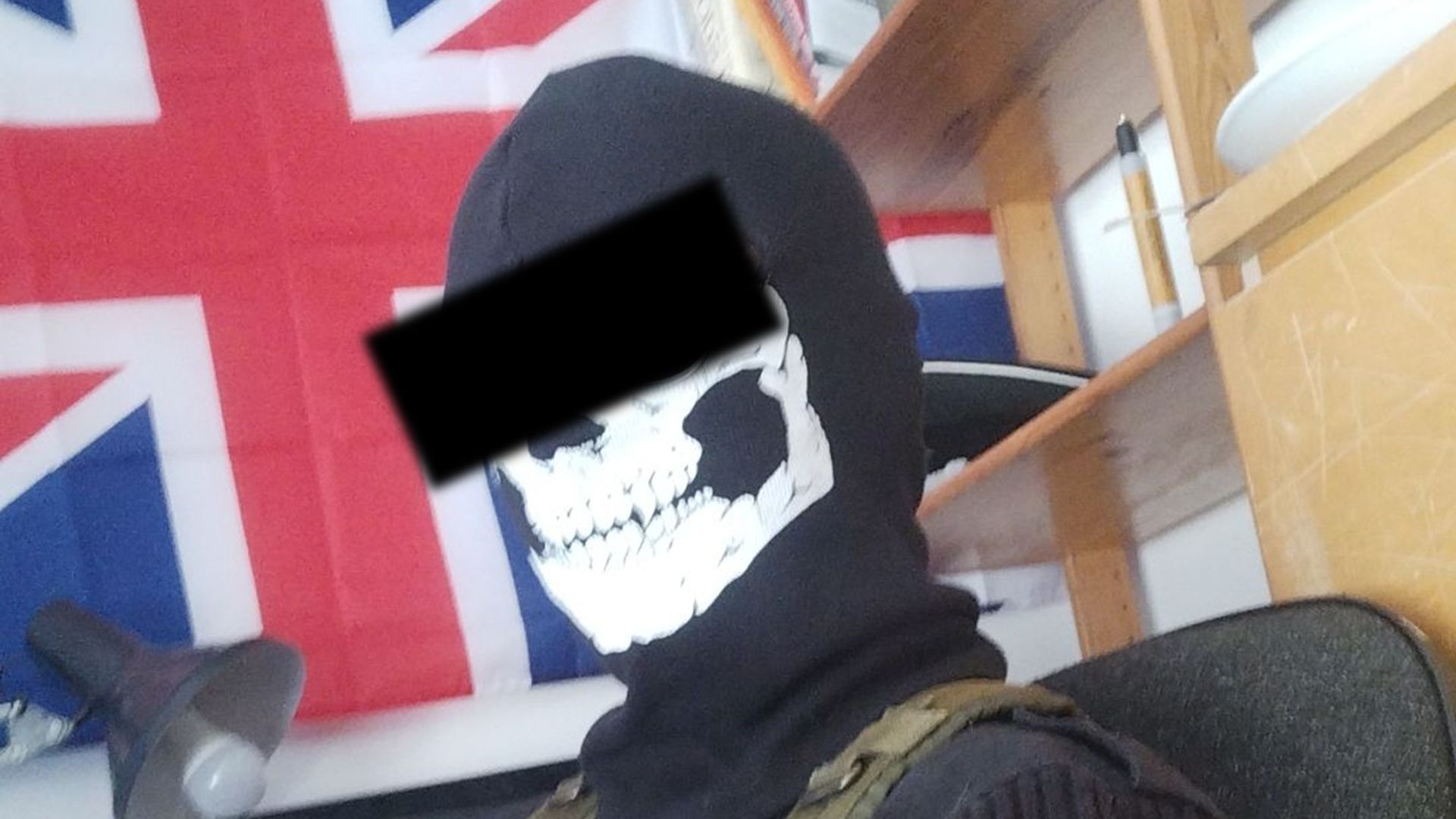
A Russian national is behind bars today for his role in the digital grooming of a British schoolboy. While the legal system has successfully removed one threat from the board, the sentencing reveals a much larger and more terrifying architecture of radicalization that operates largely unchecked. This is not a story about one isolated predator. It is an indictment of a global, decentralized infrastructure where foreign actors use gaming platforms and encrypted apps to turn children into weapons of ideological warfare.
The conviction of 21-year-old Alim-Pasha Aliev, who was sentenced to six years in prison, centers on his efforts to manipulate a 15-year-old from North Yorkshire. To the casual observer, it looks like a simple case of a predator finding a victim. To those who track the mechanics of modern extremism, it is a masterclass in the "soft-launch" of a terrorist cell. Aliev didn’t start with talk of bombs or martyrdom. He started with friendship. He used the common language of online gaming to build a rapport that bypassed the boy’s natural defenses and, more importantly, his parents' oversight.
The process of turning a teenager into a potential operative is cold, calculated, and remarkably consistent across different extremist groups. It relies on the exploitation of loneliness and the natural desire for belonging.
The Architecture of the Virtual Safe House
Online radicalization has moved far beyond the dark corners of the web. It now lives in the open. Recruiters like Aliev utilize the high-speed, low-friction environment of mainstream social media to cast a wide net. Once a target is identified—usually someone showing signs of social isolation or political frustration—the recruiter migrates the conversation to "grey-zone" platforms.
These are typically encrypted messaging services or niche gaming communities where moderation is lax or nonexistent. This migration is a critical step. It severs the victim's connection to the "normal" internet and places them in a controlled environment. In the case of the North Yorkshire schoolboy, the transition from public interactions to private, radicalized content happened over months, not days. This slow-burn approach is designed to normalize extreme views. By the time the talk turned to "taking action," the victim was already psychologically isolated from his real-world support systems.
The tech industry's failure to police these transitions is glaring. While platforms are quick to ban accounts that post graphic violence, they are significantly less effective at identifying the conversational grooming that precedes it. Recruiters use coded language and memes to stay under the radar of automated safety filters.
Why the Current Defense Strategy is Failing
Governments and schools often focus on "counter-narratives"—the idea that if you provide a better story, kids won't listen to the extremists. This is a fundamental misunderstanding of the problem. Radicalization isn't just about the message; it's about the medium and the relationship.
Aliev wasn't just selling an ideology. He was providing a sense of purpose and brotherhood to a child who felt he lacked both. You cannot "fact-check" a feeling of belonging. When a recruiter becomes a child's primary source of validation, facts become irrelevant. The current educational focus on "digital literacy" is often too academic. It teaches children how to spot fake news, but it doesn't teach them how to recognize emotional manipulation by a "friend" they met in a battle royale game.
The Role of Foreign State Actors and Proxies
The Russian connection in this specific case raises difficult questions about the overlap between individual extremism and state-sponsored disruption. While Aliev was acting on behalf of a specific Islamist ideology, the geographic origin of the threat cannot be ignored. In many instances, radicalization efforts are encouraged or at least tolerated by foreign entities because they create internal instability within Western nations.
Chaos is a strategic asset. Every time a domestic terror plot is uncovered, it increases social friction, fuels Islamophobia, and drains law enforcement resources. For a foreign operative, the goal isn't always a successful attack. Sometimes the goal is simply the arrest itself. The resulting trial and media storm serve to further polarize the public.
The Mechanics of the Radicalized Mind
To understand how a 15-year-old reaches the point of wanting to commit an act of terror, we have to look at the neurobiology of the adolescent brain. Teenagers are hardwired for risk-taking and are highly sensitive to social rewards.
Extremist recruiters are, effectively, amateur neurologists. They use intermittent reinforcement—praising the victim one day, ghosting them the next—to create a psychological dependency. This is the same mechanism found in gambling or drug addiction. The victim becomes desperate for the recruiter's approval. In this state, the moral weight of the recruiter's demands is secondary to the need for validation.
Key tactics used in digital grooming include:
- Isolation: Encouraging the victim to keep their online "friendship" a secret from parents and teachers.
- Echo Chambers: Providing a curated stream of content that confirms the victim's grievances.
- Escalation: Starting with small, low-risk tasks before moving toward more dangerous requests.
- Hero Worship: Presenting the recruiter or other "martyrs" as legendary figures the victim should emulate.
The Limits of the Legal System
Aliev’s six-year sentence is a victory for the Counter Terrorism Policing North East unit, but it is a tactical win in a losing war. The legal system is built to punish individuals after a crime has been committed or a plot has been uncovered. It is not built to dismantle the global network of influence that creates these individuals in the first place.
When one recruiter is jailed, three more take their place. They are cheap to deploy and difficult to trace. The decentralized nature of these networks means there is no "head" to cut off. The threat is a hydra. Furthermore, the anonymity provided by the internet allows these actors to operate from jurisdictions where they are safe from extradition or prosecution.
We are currently playing a permanent game of defense. We wait for a child to be radicalized, wait for them to plan an attack, and then hope we catch them before they execute it. This is an unsustainable strategy.
Rethinking Parental and Community Oversight
If the tech companies won't fix the platforms and the government can't stop the recruiters, the burden falls back on the immediate environment of the child. However, the nature of parenting has changed. Physical safety no longer guarantees digital safety. A child can be sitting in their bedroom, two doors away from their parents, and be in more danger than if they were walking through a high-crime neighborhood at midnight.
The North Yorkshire case proves that geography is no longer a shield. Radicalization can happen in a quiet village just as easily as in a major city. We need to move beyond the "stranger danger" tropes of the 1990s. The modern predator doesn't offer candy from a van; they offer "skins" in a video game and a sympathetic ear for a teenager's frustrations.
Monitoring a child's internet usage is often framed as an invasion of privacy. In the context of modern recruitment, it should be seen as a basic safety requirement. If a child is spending ten hours a day in an encrypted chat room with a man in another country, that is not a privacy issue. It is a massive red flag.
The Unseen Toll of Digital Radicalization
While the headlines focus on the sentencing and the "terrorist" label, we must also acknowledge the total destruction of the victim's life. This schoolboy will now carry the weight of this association forever. His education is derailed, his social prospects are decimated, and his mental health is likely shattered.
The recruiter, even from a prison cell, has achieved a partial victory. He has destroyed a young life and created a ripple effect of fear in the community. This is the true "return on investment" for extremist groups. They don't need every recruit to be a suicide bomber. They just need them to be a casualty of the cultural and legal war.
The Aliev case is a warning shot. It demonstrates that the borders of national security now extend into every smartphone and gaming console in the country. The digital pipeline is open, and it is flowing directly into our living rooms. Without a fundamental shift in how we monitor the intersection of social technology and adolescent psychology, the next Aliev is already typing a message to a child in another quiet town.
Check the digital footprint of the devices in your home today.