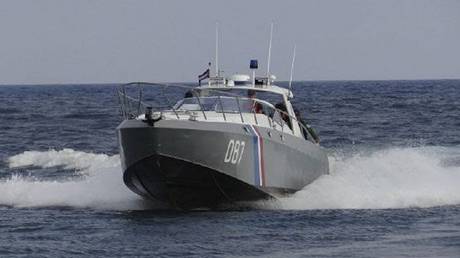
Cuba's Ministry of the Interior just dropped a bombshell that sounds like a Cold War thriller, but the implications are strictly 2024. They've officially named individuals and groups based in the United States—specifically Florida—as being involved in a plot to carry out "terrorist acts" on Cuban soil. We're talking about more than just political bickering. This involves allegations of jet skis, hidden weapons, and a calculated attempt to destabilize the island from across the Florida Straits.
If you’ve followed US-Cuba relations for more than five minutes, you know this is a messy, high-stakes game of "he-said, she-said." But the details coming out of Havana this time are incredibly specific. They aren't just shouting at the clouds; they're pointing fingers at a coordinated network they claim is funded and protected by interests within the US. Meanwhile, you can read similar events here: The Calculated Silence Behind the June Strikes on Iran.
The Jet Ski Plot and the Men Behind It
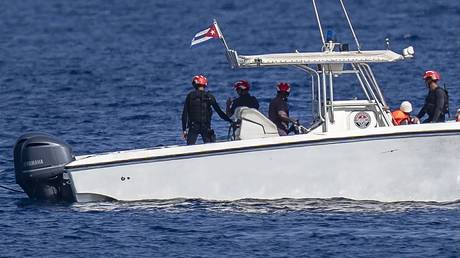
The heart of the recent tension stems from an incident where a man allegedly traveled by jet ski from South Florida to Cuba’s northern coast. According to Cuban state media and investigators, this wasn't a solo vacation gone wrong. They claim he was armed and intended to recruit others for a series of violent attacks targeting public infrastructure and government officials.
Cuba has released a list of 61 people and 19 entities it considers "terrorists." This isn't just a random list of names. It includes high-profile figures in the exile community who have long been vocal opponents of the Communist government. The Cuban government says these people aren't just "activists." They're calling them "infiltrators" and "financiers of chaos." To explore the complete picture, check out the recent analysis by The Washington Post.
The US government, predictably, hasn't jumped to validate these claims. In fact, the Department of State often views these lists as a political tool used by Havana to deflect from internal economic struggles. But for the average observer, it’s hard to ignore the specific evidence Cuba is putting on the table: photos of seized weaponry, digital footprints, and confessions from those already in custody.
Why Florida Remains the Epicenter
You can't talk about Cuban "infiltrators" without talking about Miami. It’s the heart of the resistance. For decades, various groups have operated out of South Florida with the explicit goal of seeing the Cuban government fall. Some use radio broadcasts. Others use social media. Havana argues that some use C4 and handguns.
What’s different now is the digital age. In the past, you needed a boat and a dark night. Now, the Cuban government claims that recruitment happens via encrypted apps and Facebook groups. They’re alleging that "influencers" in Miami are essentially acting as digital handlers, egging on people inside Cuba to commit acts of sabotage in exchange for money or the promise of a US visa.
Honestly, the line between "political activism" and "incitement to violence" is getting blurry. If a YouTuber in Miami tells his followers in Havana to set fire to a government warehouse, is that free speech or a terror plot? Cuba says it’s the latter. The US generally stays quiet, citing the First Amendment, which drives Havana absolutely ballistic.
The Double Standard of Terror Lists
There’s a massive irony here that defines the current friction. The United States still keeps Cuba on its "State Sponsors of Terrorism" list. This designation makes life incredibly difficult for the island, blocking access to international banking and stifling trade.
Cuba’s recent move to publish its own list of US-based terrorists is a direct middle finger to that designation. They’re essentially saying, "You call us terrorists? We have proof your citizens are literally invading our beaches with guns."
The legal weight of these lists is vastly different. The US list has the power of global financial sanctions. The Cuban list is mostly a naming-and-shaming exercise, though it does allow them to seek Interpol "Red Notices" for the people involved. It’s a diplomatic chess match where the pieces are real people and real bullets.
Evidence or Propaganda
It's easy to dismiss everything coming out of a state-controlled media outlet like Granma or Prensa Latina. They have an obvious agenda. They want to paint the US as an aggressor to justify internal crackdowns on dissent. If you can label a protester a "terrorist collaborator," you don't have to listen to their complaints about food shortages or power outages.
However, some of the individuals on the Cuban list have a history that isn't exactly peaceful. We've seen decades of paramilitary groups training in the Everglades. While the US government officially discourages "private wars," the enforcement has been historically spotty. This lack of clear-cut policing in Florida gives Havana all the ammunition it needs to claim that the US is "harboring" criminals.
What This Means for You
If you're traveling to Cuba or have family there, this heightened rhetoric matters. It usually precedes a tightening of security on the island. Expect more checkpoints, more scrutiny of digital communications, and a generally "on edge" atmosphere from the Cuban authorities.
The immediate reality is that the "thaw" in relations we saw a decade ago is dead and buried. We are back to a period of deep suspicion. When Cuba identifies "infiltrators," they aren't just talking about people with guns. They're talking about anyone they think is being influenced by outside forces.
If you want to stay informed on this, don't just read the headlines from one side. Follow the official statements from the Cuban Ministry of Foreign Affairs (MINREX) and compare them with the daily briefings from the US State Department. The truth usually sits somewhere in the middle of the Florida Straits, bobbing around like that alleged jet ski.
Keep an eye on whether the US actually takes any legal action against the individuals named by Cuba. If they don't, expect Havana to ramp up its "anti-terror" rhetoric even further, potentially using it as a pretext to shut down more internet access or crack down on local activists who have zero connection to Florida. This is a cycle that has repeated for sixty years, and right now, the wheel is spinning faster than ever.