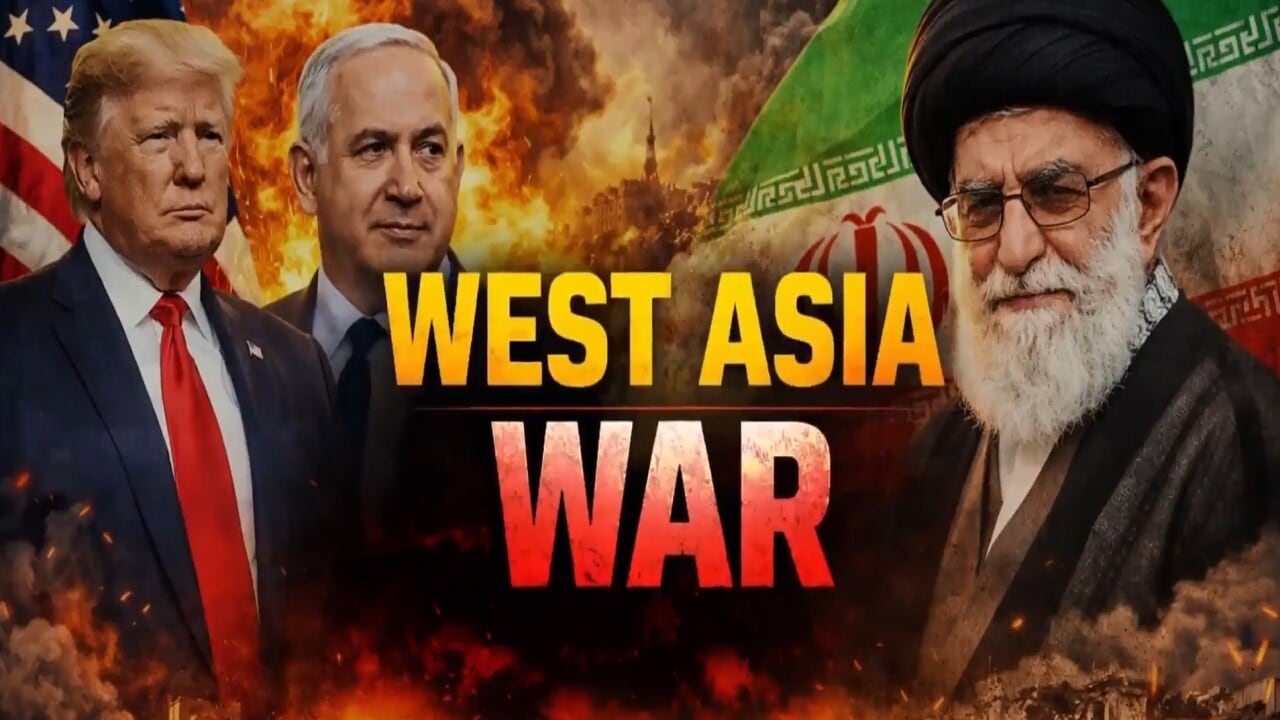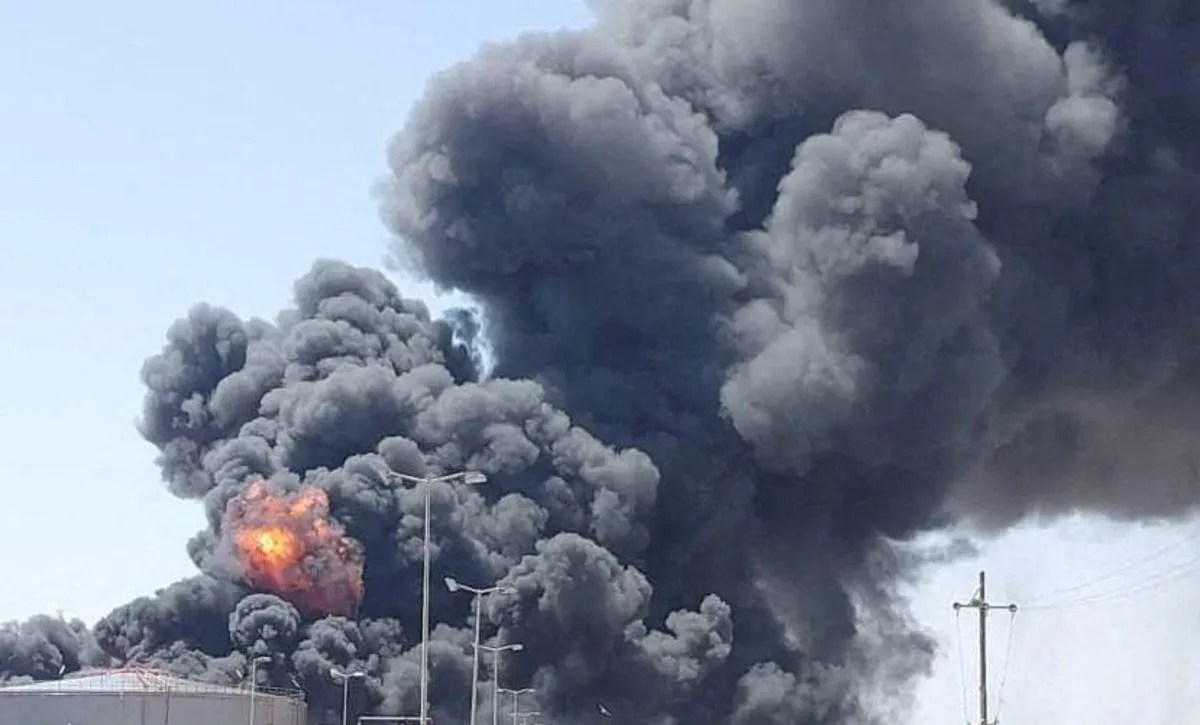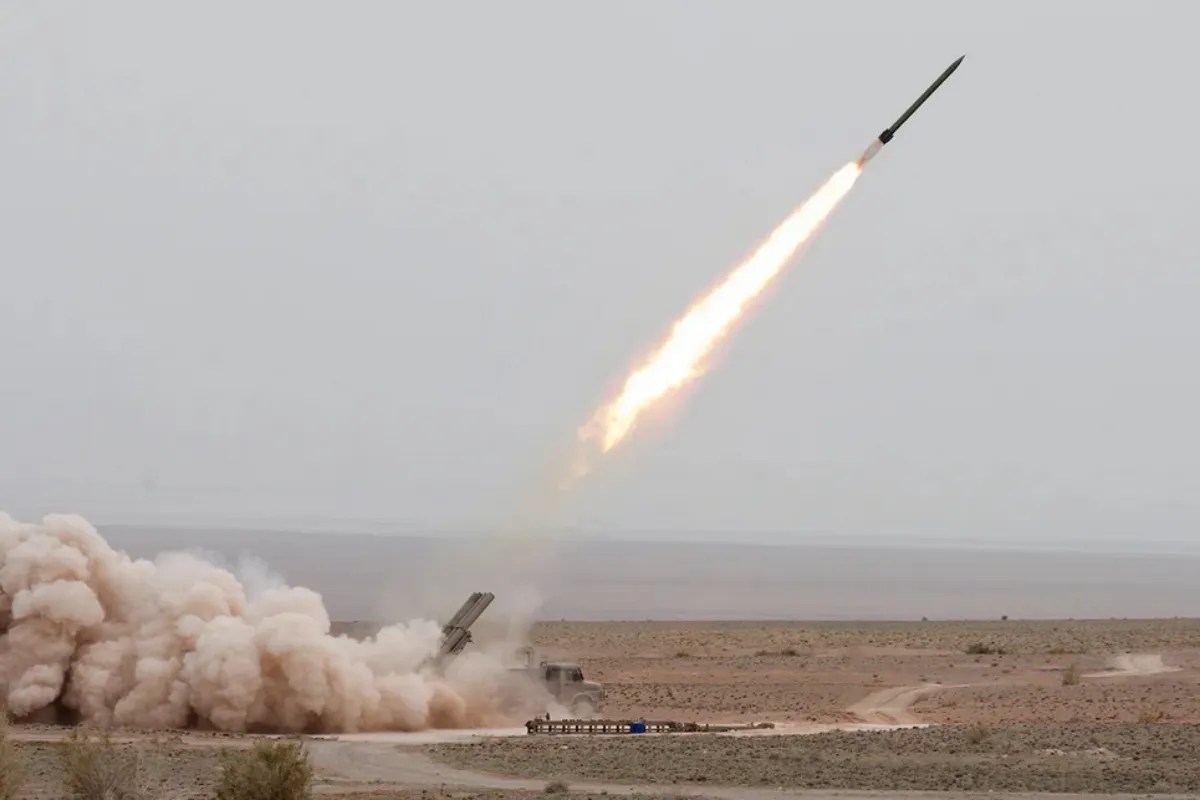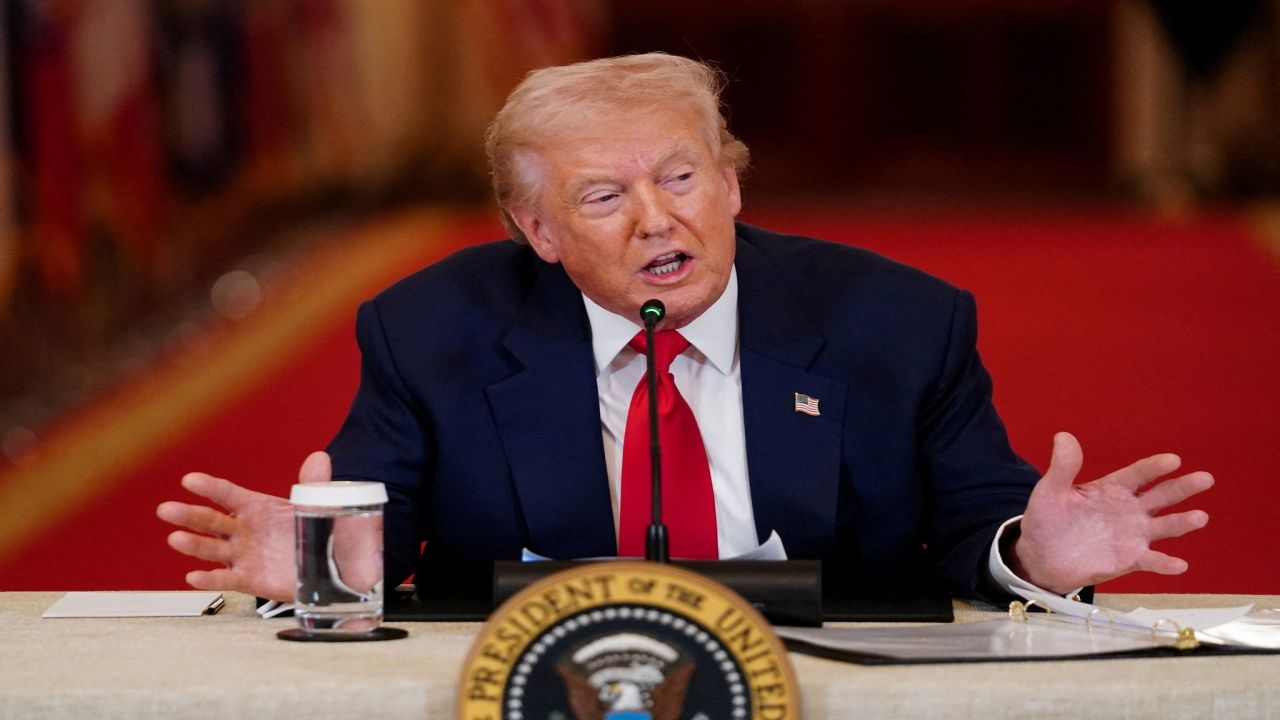
The current shift in U.S. policy toward Iran represents a transition from a containment-based strategy to a high-stakes model of coercive diplomacy where the threat of kinetic action against energy infrastructure serves as the primary negotiating lever. This strategy operates on the premise that the Iranian regime’s survival is tethered to its ability to monetize petroleum exports and maintain domestic energy stability. By explicitly linking the possibility of a "soon" realized deal with the credible threat of targeting refinery and distribution networks, the administration is attempting to compress the diplomatic timeline.
The Mechanics of Infrastructure Vulnerability
To understand why energy infrastructure has become the focal point of this escalation, one must examine the specific vulnerabilities of the Iranian midstream and downstream sectors. Unlike a broad sanctions regime, which relies on the cooperation of international banking systems and third-party buyers, a kinetic or cyber threat against physical assets bypasses the need for global consensus.
The Iranian energy grid suffers from three primary structural weaknesses:
- Geographic Concentration: A significant portion of Iran's crude processing and export capacity is clustered in a few high-value locations, such as Kharg Island. This concentration creates a "single point of failure" risk where a localized disruption has systemic consequences for the national budget.
- Refinery Complexity and Part Scarcity: Modern refineries are not monolithic structures but integrated systems of catalytic crackers, hydrotreaters, and distillation units. Due to decades of intermittent sanctions, the replacement of specialized components—many of which are of Western origin—is a logistical bottleneck. A precision strike or a sophisticated cyber intervention targeting these control systems (ICS/SCADA) would result in multi-year recovery timelines rather than weeks.
- The Domestic Subsidy Pressure Cooker: The Iranian government heavily subsidizes domestic fuel prices to maintain social order. Any disruption to the supply chain of refined products, such as gasoline or diesel, forces the state to choose between massive fiscal outlays for imports or risking civil unrest due to price hikes or shortages.
The Cost Function of Non-Compliance
The administration’s logic follows a specific cost-benefit calculus designed to shift the Iranian leadership’s internal "utility function." For the Iranian state, the cost of a new deal (concessions on nuclear enrichment and regional influence) is weighed against the cost of infrastructure loss.
The "Cost of Infrastructure Loss" formula includes:
- Immediate Revenue Foregone: The daily value of lost crude exports at prevailing Brent prices.
- Capital Expenditure for Reconstruction: The multi-billion dollar cost of rebuilding specialized industrial facilities under a sanctioned environment.
- Economic Contraction Multiplier: The secondary impact on manufacturing, transport, and power generation that relies on stable energy inputs.
By publicly stating that a deal is "near" while simultaneously increasing the threat level, the U.S. is utilizing a "Goldilocks" level of pressure. The proximity of a deal provides a face-saving exit ramp for the Iranian leadership, while the threat of infrastructure destruction raises the cost of "waiting out" the clock. This is a classic application of Thomas Schelling’s theory of the "threat that leaves something to chance." The uncertainty of when the transition from diplomacy to destruction occurs is exactly what generates the leverage.
Regional Stability and the Paradox of Escalation
The risk inherent in this strategy is the "escalation ladder." If the threat to Iranian energy infrastructure is perceived as too credible, Iran may respond by targeting regional energy transit points, specifically the Strait of Hormuz.
This creates a dual-threat environment:
- The Symmetrical Threat: Iran targets Saudi or Emirati oil facilities (similar to the 2019 Abqaiq–Khurais attack) to signal that any damage to Iranian assets will result in a global energy price shock.
- The Asymmetrical Threat: Utilization of proxy networks to disrupt maritime shipping via sea mines or unmanned aerial vehicles (UAVs), driving up insurance premiums and freight costs for global markets.
The administration appears to be betting that the current global energy market—characterized by increased U.S. shale production and a diversified supply chain—can absorb a temporary spike better than the Iranian economy can absorb a total infrastructure collapse.
Strategic Implementation of Cyber and Kinetic Options
The "threat" mentioned by the administration is likely not limited to traditional bombardment. Modern warfare against industrial targets often begins in the digital domain. A cyber-offensive targeting the safety instrumented systems (SIS) of a refinery allows for a "soft" disruption that can be dialed up or down.
A digital-first approach provides the U.S. with several strategic advantages:
- Deniability: It is harder to definitively attribute a logic bomb in a PLC (Programmable Logic Controller) than a cruise missile strike, providing more room for back-channel negotiations.
- Reversibility: Some cyber disruptions can be "unlocked" or mitigated as part of a deal, whereas a physical explosion is a permanent destruction of capital.
- Proportionality: The ability to shut down a specific pipeline without destroying the entire facility allows for a graduated escalation.
The mention of a deal being "soon" suggests that these technical preparations are already in place and have likely been communicated through intermediate channels. The "threat" is no longer theoretical; it is a tactical reality that the Iranian technical teams are likely seeing in their own network logs.
The Role of Global Energy Markets as a Buffer
A critical component of this strategy is the timing relative to global oil inventories. Threatening energy infrastructure during a period of extreme scarcity would be self-defeating for the U.S. due to domestic inflation risks. However, the current strategy leverages a specific window of market liquidity.
The U.S. has transformed its position from a net importer to a dominant producer, which changes the geopolitical math. In previous decades, a threat to Middle Eastern oil was a threat to the American consumer. Today, it is primarily a threat to Chinese industrial inputs (as China is the primary buyer of Iranian crude) and a mechanism to drain the Iranian treasury. This shifts the burden of the "threat" onto Iran’s primary economic partners, pressuring them to facilitate the "soon" deal that the administration is demanding.
The Strategic Play
The immediate path forward requires a transition from rhetoric to a verifiable "de-escalation for infrastructure safety" framework.
- Verification of Control Systems: Any preliminary deal must include protocols for the security of energy assets, ensuring that neither state-sponsored nor proxy actors initiate a "reflexive" strike during the negotiation phase.
- Hard-Coded Deadlines: The "soon" in the administration’s statement must be backed by a specific calendar of escalation. If the deal is not reached within a defined window, the transition to the first tier of "infrastructure disruption" (likely targeting non-lethal export nodes) must be executed to maintain the credibility of the threat.
- Direct Communication of Red Lines: To avoid miscalculation, the U.S. must provide a clear map of what constitutes an "unacceptable" Iranian provocation that would trigger the energy-sector strikes.
The objective is to make the preservation of Iran's energy assets entirely contingent on the speed of their diplomatic compliance. The administration is no longer negotiating over abstract nuclear percentages; they are negotiating over the physical survival of the Iranian industrial base. This is a shift from traditional diplomacy to a model of "industrial hostage-taking" where the ransom is a comprehensive regional settlement.