The United Nations is addicted to the optics of peace. When mortars fly across the Durand Line and the inevitable "LIVE updates" flood your feed, the global body follows a tired script: issue a statement, demand an "immediate ceasefire," and pat itself on the back for "de-escalating" a situation it doesn't actually understand.
It is a performance. It is also dangerous.
Calling for a ceasefire between Pakistan and the Taliban-led administration in Afghanistan is not a diplomatic solution. It is a strategic pause that allows both sides to reload, regroup, and wait for the next inevitable friction point. The media frames this as a "clash of nations." That is the first lie. This is a collision between a post-colonial state struggling to maintain a border and a non-state actor that has successfully transitioned into a government without shedding its insurgent DNA.
By demanding an end to the shooting without addressing the structural absurdity of the border itself, the UN isn't preventing war. It is subsidizing an eternal, low-grade conflict.
The Durand Line Is Not a Border It Is a Scar
Every mainstream news outlet treats the Durand Line as a settled international boundary. It isn’t. Not in the eyes of Kabul, and certainly not in the reality of the Pashtun heartlands.
When the British drew that line in 1893, it was a tactical maneuver to create a buffer zone, not a demographic or geographic reality. To the Taliban—and to every Afghan government before them—the line is an illegitimate colonial relic. To Islamabad, it is the bedrock of national sovereignty.
You cannot "ceasefire" your way out of a fundamental disagreement over where one country ends and the other begins. When the UN calls for peace, they are essentially asking the Taliban to accept a border they fundamentally reject, and asking Pakistan to tolerate the cross-border movement of the TTP (Tehrik-i-Taliban Pakistan).
I have watched these cycles play out for decades. The pattern is always the same:
- Border skirmish over a new fence or outpost.
- Media hysteria about a "regional war."
- UN "deep concern."
- Ceasefire.
- The TTP uses the quiet to smuggle more fighters into Khyber Pakhtunkhwa.
The ceasefire is the oxygen that keeps the insurgency alive.
The Myth of the Rational Actor
The "lazy consensus" in modern geopolitical reporting assumes that both Pakistan and Afghanistan are rational state actors who want stability. This ignores the internal pressures driving the conflict.
Pakistan is currently grappling with a staggering economic crisis and a resurgence of internal terrorism. The military establishment needs a clear, defined border to stop the bleeding. The Taliban, however, operate on a different logic. Their legitimacy is tied to a trans-border Islamist identity that views the Durand Line as an artificial barrier to their influence.
If you force a ceasefire today, you are merely preserving a status quo where:
- The TTP finds sanctuary in Afghan provinces like Khost and Kunar.
- Smuggling rings continue to drain the Pakistani economy.
- The Taliban administration gains de facto recognition without having to concede a single inch on border security.
The UN’s "peace" is a victory for the insurgent, not the civilian. We are rewarding the Taliban's refusal to act against militants by treating them as equal partners in a diplomatic "dialogue" that leads nowhere.
Stop Asking About "War" and Start Asking About "Enforcement"
The "People Also Ask" sections of the internet are filled with queries like "Will Pakistan and Afghanistan go to war?"
This is the wrong question. They are already in a state of perpetual, hybrid war. The real question is: "Why does the international community refuse to acknowledge that the Afghan-Pakistan border is ungovernable under the current diplomatic framework?"
Standard diplomacy suggests that "engagement" will eventually lead to a settled border. This is a fantasy. I have seen diplomatic missions spend millions on "border management" workshops and "cross-border cooperation" initiatives. They fail because you cannot manage a border that one side refuses to admit exists.
Instead of a ceasefire, we should be discussing Enforced Divergence.
This means Pakistan finishing its border fencing—a project often criticized by human rights groups and the UN—as a matter of survival, not "aggression." It means the international community stopping the flow of "humanitarian" aid that indirectly stabilizes a regime that exports terror.
If you want the shooting to stop, you have to make the cost of cross-border militancy higher than the cost of diplomatic compromise. Currently, the UN ensures the cost remains zero.
The Technological Blind Spot
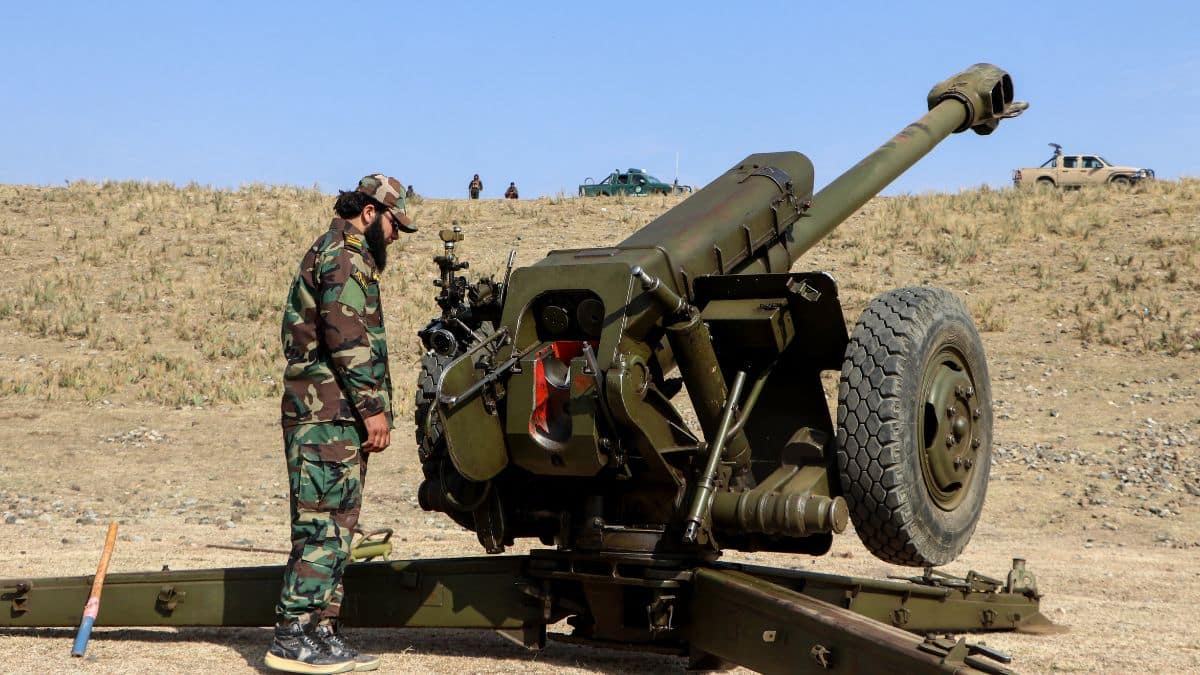
While the UN talks about "immediate halts to hostilities," they ignore the reality that this conflict is being fought with abandoned high-tech hardware. The surge in precision and lethality on the border isn't a coincidence. It is the direct result of the $7 billion in US military equipment left in Afghanistan during the 2021 withdrawal.
Night-vision goggles, M4 carbines with advanced optics, and encrypted communication gear have turned rag-tag border guards into a formidable force. When the UN calls for a ceasefire, they aren't accounting for the fact that the Taliban now possess a technical edge they never had during the 20-year occupation.
A ceasefire doesn't take these tools away. It gives the Taliban time to train more units in their use.
The Brutal Reality of "Peace"
Here is the truth that pundits won't tell you: A short-term explosion of violence might be the only thing that forces a long-term settlement.
By constantly stepping in to "cool down" the situation, the international community prevents either side from reaching a point of total exhaustion or absolute realization of the stakes. We are keeping the fever at 101 degrees instead of letting it break.
The UN’s intervention is a form of geopolitical "kicking the can down the road." They are obsessed with the absence of noise (shooting) rather than the presence of justice or stability.
If you support a ceasefire now, you are supporting:
- The continued displacement of families in the tribal districts.
- The unchecked growth of the TTP.
- The slow-motion collapse of border security in South Asia.
The Strategy for Realists
We need to stop treating the Taliban like a traditional government that cares about "international norms." They don't. They care about survival and ideological purity.
Pakistan, conversely, needs to stop looking for "strategic depth" in a country that has consistently bitten the hand that fed it.
The path forward isn't a ceasefire. It is a Hard Decoupling.
- Physical Separation: Complete the fence, regardless of UN objections.
- Economic Consequences: Tie all regional trade agreements to the verifiable expulsion of the TTP.
- Military Deterrence: Accept that border skirmishes are a necessary part of defining a boundary that was ignored for a century.
The UN chief can call for a ceasefire from a podium in New York all he wants. But on the ground, "peace" is just another word for "waiting for the next IED."
Stop falling for the ceasefire trap. The only way to end this conflict is to finally admit that the line in the sand is a wall, and it's time to stop pretending otherwise.
Pull the plug on the diplomatic theater. Let the reality of the border dictate the terms of the engagement. If the Taliban want to be a state, they must act like one. Until they do, every "ceasefire" is just a gift to the very people pulling the triggers.