The federal government is finally suing California cities over natural gas bans. The media is painting this as a classic "Red vs. Blue" fossil fuel cage match. They are wrong. This isn't about climate change, and it isn't about "saving the planet." It is about a massive, unforced error in urban engineering that is going to bankrupt the middle class while handing the keys to the kingdom to the very monopoly utilities everyone claims to hate.
If you think banning a gas stove in a Berkeley condo is a win for the environment, you’ve been sold a bill of goods. You are falling for a shiny, electrified distraction that ignores the crumbling reality of our power grid and the basic laws of thermodynamics.
The Efficiency Lie
The "lazy consensus" says that electric heat pumps and induction stoves are inherently superior because they don't burn anything on-site. This is a neat trick of accounting. It ignores the source-to-site efficiency of the energy.
When you burn natural gas in a water heater, you are converting chemical energy into thermal energy at the point of use. Efficiency? Often north of 90%. When you use an electric water heater, that electricity likely came from a natural gas turbine 200 miles away. That turbine is roughly 40-45% efficient. Then you lose more energy in transmission and distribution across aging wires.
By the time that "clean" electricity reaches your shower, you’ve wasted more total energy than if you had just burned the gas in your basement. We aren't decarbonizing; we are just moving the carbon emissions to a different zip code and losing 50% of the energy in transit.
The Grid is a Fragile Paper Tiger
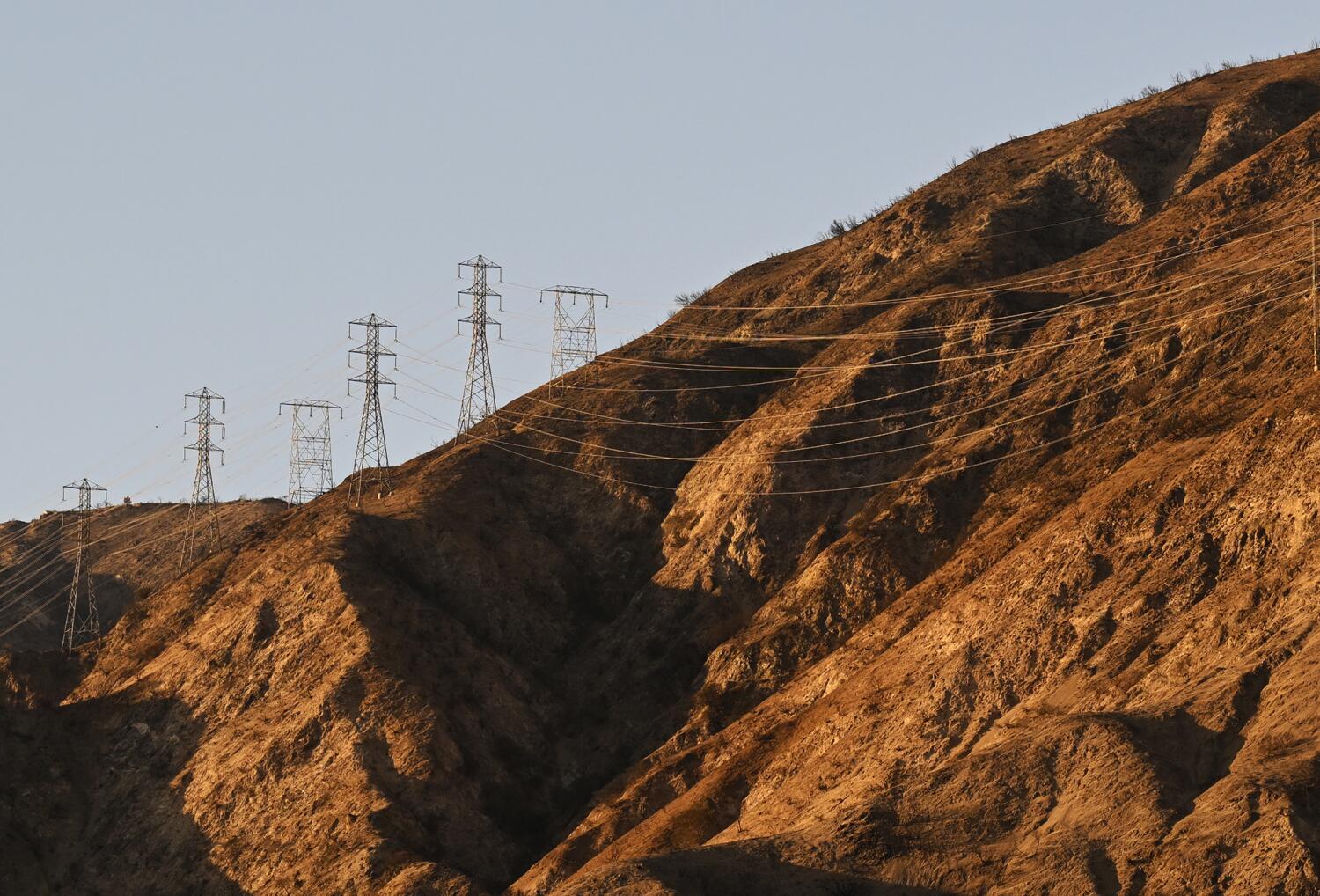
California’s grid is a disaster. That is not an opinion; it is a documented reality of rolling blackouts and "Flex Alerts." Now, imagine forcing every new home to rely 100% on that same fragile thread for heating, cooking, and transportation.
We are watching a systemic failure in real-time. By banning gas, cities like Berkeley and San Francisco are effectively removing the "Plan B" for millions of citizens. During a wildfire-induced power shutoff, a gas stovetop can still cook a meal. A gas fireplace can still keep a family from freezing. Removing that redundancy is not "progressive"—it’s a dereliction of duty by local governments.
I’ve spent years looking at infrastructure costs. I've seen municipal boards approve "green" mandates while privately admitting they have no idea how the local transformers will handle the load when every house on the block plugs in a Tesla and turns on an electric furnace at 6:00 PM. The copper in the ground cannot handle the math.
The Utility Monopoly Jackpot
Follow the money. Who benefits when you are legally prohibited from using any energy source other than the one delivered by your local electric utility?
The utilities love gas bans. They won't tell you that in their PR circulars, but their CFOs are salivating. Under the "decoupling" and rate-of-return regulations in California, utilities make more money by building more infrastructure.
- Step 1: Ban gas.
- Step 2: The electric grid becomes overwhelmed.
- Step 3: The utility "must" invest billions in new substations and transmission lines to meet the demand.
- Step 4: The utility passes those costs (plus a guaranteed profit margin) back to you, the ratepayer.
By supporting gas bans, activists are handing PG&E and Southern California Edison a blank check. Your "green" lifestyle is being subsidized by a 20% increase in your neighbor's monthly bill.
Indoor Air Quality: The Red Herring
The latest weapon in this fight is the claim that gas stoves are "poisoning" our children with nitrogen dioxide ($NO_2$). It’s a classic fear-mongering tactic that relies on people not understanding how ventilation works.
If your kitchen smells like a chemistry lab when you cook, the problem isn't the gas stove; it's your $200 "recirculating" vent hood that does nothing but blow smoke back into your face. A properly vented gas range—one that actually exhausts to the outdoors—poses negligible risk.
If we were serious about indoor air quality, we would mandate high-CFM (Cubic Feet per Minute) external venting for all cooking surfaces. Electric induction ranges still produce PM2.5 particles from the oils and food being heated. But banning a fuel source is easier for a politician than explaining the nuances of building codes and airflow dynamics.
The "All-Electric" Luxury Tax
Let’s talk about the actual cost of construction. Proponents argue that all-electric buildings are cheaper because you don't have to run gas lines. This is a half-truth that ignores the "back-end" costs.
To make an all-electric home viable in a cold snap, you need massive amounts of insulation and high-end windows—expensive upgrades that drive up the price of "affordable" housing. Furthermore, the specialized labor required to maintain high-tech heat pump systems is far more expensive than a standard HVAC tech who can fix a furnace in his sleep.
We are creating a two-tier society: the wealthy who can afford the "smart home" all-electric transition, and the working class who get stuck in aging apartments with skyrocketing electric bills and no way to cook when the wind blows too hard and the utility cuts the power.
The Federal Lawsuit is a Favor
The Trump administration’s lawsuit isn't an attack on local control; it’s a necessary correction of the Energy Policy and Conservation Act (EPCA). The EPCA was designed to prevent a patchwork of 50 different state standards for appliances. Imagine if every city had its own requirements for the efficiency of a toaster. The supply chain would collapse.
California cities are trying to bypass federal appliance standards by banning the infrastructure that feeds them. It’s a legal shell game. If the federal government loses this case, the precedent will be used to ban anything a local city council finds "distasteful," from certain types of insulation to specific brands of lightbulbs.
Stop Asking if Gas is "Bad"
You are asking the wrong question. The question isn't whether gas is "cleaner" than wind power. Of course it isn't.
The real question is: Is our current electric infrastructure capable of becoming the sole provider of all human energy needs without causing a massive economic and humanitarian crisis?
The answer is a resounding no.
Until we have small modular reactors (SMRs) providing base-load power and a grid that doesn't catch fire when a branch touches a wire, natural gas is the only thing standing between us and a return to the dark ages.
California is trying to build a 21st-century utopia on a 19th-century grid. They are forcing residents to buy electric Ferraris while the roads are made of mud.
If you want to save the environment, fix the grid first. Invest in nuclear. Streamline the permitting for long-range transmission. But stop pretending that taking away a chef's blue flame is going to lower the sea level.
The lawsuit isn't just about gas; it’s about stopping a bunch of bureaucrats from committing engineering malpractice in the name of virtue signaling.
The gas ban isn't the future. It's a bottleneck. It’s a regressive tax. And it’s time we treated it as the technological step backward that it truly is.
If you want to keep your lights on, pray the feds win.