The narrative is as predictable as a summer drought. A spark flies from a transformer. A forest goes up in flames. Families lose everything. Within forty-eight hours, the headlines are screaming for the blood of the utility company. The "lazy consensus" dictates that if a utility’s equipment causes a fire, that utility should be sued into oblivion until every victim is made whole.
It sounds like justice. It’s actually a suicide pact.
The current legal crusade against power companies—often framed as "holding them accountable"—is a fundamental misunderstanding of how infrastructure, capital, and risk interact in a warming world. We are treating a systemic, planetary crisis like a simple slip-and-fall case at a grocery store. If we continue to force utilities to swallow the infinite liability of climate-driven disasters, we won't get safer grids. We will get dark, uninsurable ghost towns and a hollowed-out economy.
The Inverse Condemnation Trap
Most people screaming for utility "accountability" have never heard of Inverse Condemnation. It is the legal engine driving this madness. In states like California, this doctrine allows the government (or private citizens) to hold a utility liable for property damage if their equipment was a "substantial cause" of the fire—even if the utility did absolutely nothing wrong.
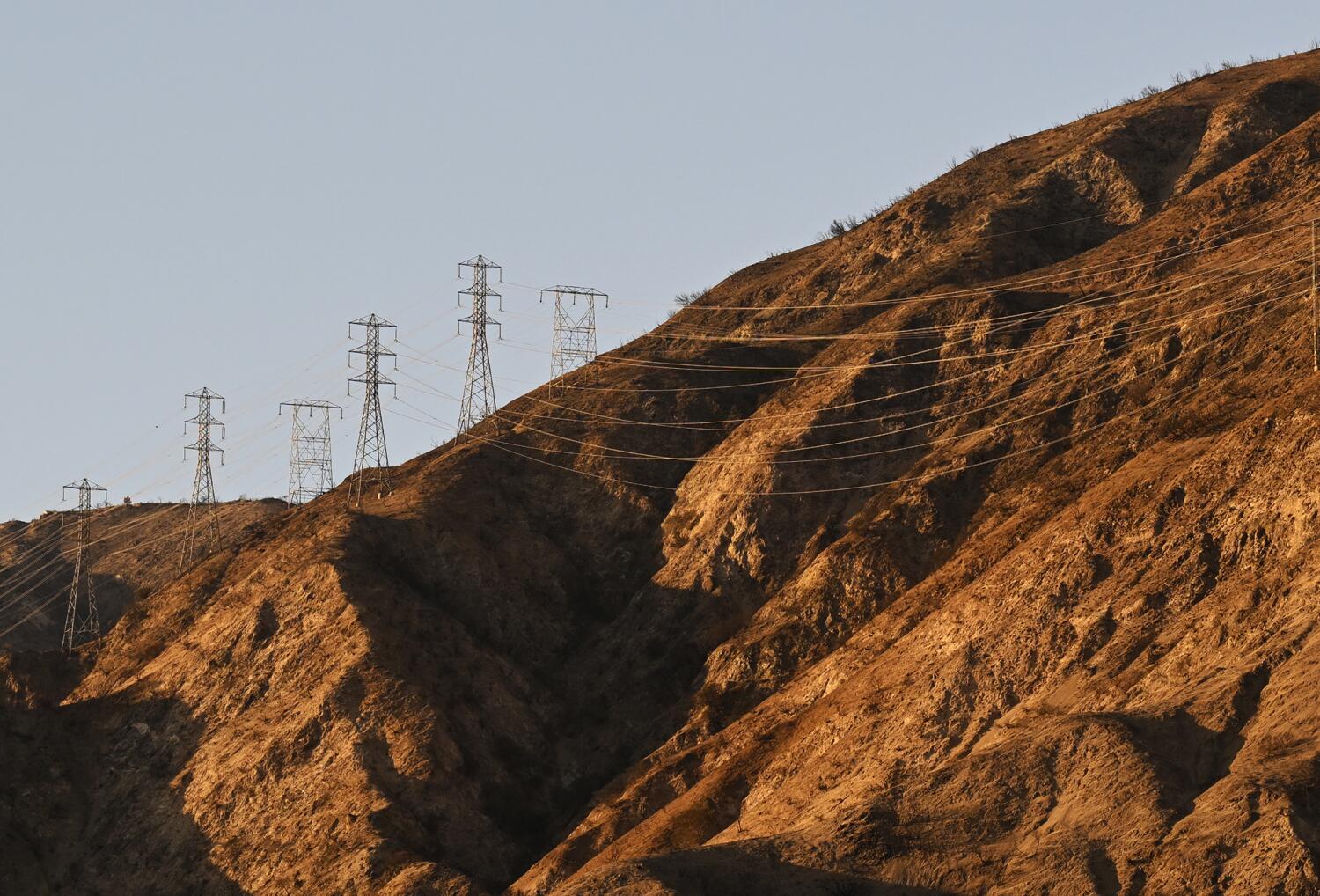
Let that sink in. A utility could follow every safety regulation to the letter, clear every branch, and upgrade every pole, but if a freak 100-mph wind gust knocks a line onto a dry patch of grass, the company is on the hook for billions.
This isn't "strict liability." It’s a financial death sentence.
When you strip away the requirement of negligence, you remove the incentive to over-perform. If the penalty for doing everything right is the same as the penalty for doing everything wrong, the board of directors stops looking at engineering solutions and starts looking at bankruptcy filings. I’ve watched energy executives sit in rooms and realize that no amount of maintenance can offset a legal doctrine that ignores the laws of physics and the reality of a changing climate.
The Myth of the "Deep Pockets"
The central fallacy of the anti-utility movement is the belief that these companies have a vault of gold like Scrooge McDuck. They don't. Utilities are essentially pass-through entities for capital. Their money comes from two places: ratepayers and investors.
When a court slaps a $15 billion judgment on a utility for a wildfire, that money doesn't come from a magical "profit" stash. It comes from the cost of capital.
- The Credit Rating Death Spiral: As liability increases, the company’s credit rating drops.
- The Interest Hike: Borrowing money to fix the grid becomes twice as expensive.
- The Rate Hike: To pay back that expensive debt, the utility has to petition the regulator to raise your monthly power bill.
By demanding "justice" in the form of massive tort payouts, victims and their lawyers are effectively taxing their neighbors. You are cheering for a system that makes the energy transition impossible. You want electric vehicles? You want a decarbonized grid? You can’t have them if the companies responsible for building that infrastructure are treated as the state’s primary insurance policy.
The Uncomfortable Math of Risk
Let's look at the variables. In a standard risk equation:
$$Risk = Probability \times Severity$$
The severity of wildfires has increased exponentially due to decades of poor forest management and rising temperatures. The probability remains constant because we still have thousands of miles of exposed wire.
The competitor's view suggests that if we just "punish" the utility enough, they will fix the "Probability" side of the equation. This is a fantasy. Undergrounding every mile of line in a state like California or Oregon would cost hundreds of billions of dollars. If we force utilities to pay for the "Severity" of every fire through lawsuits, they will never have the capital to address the "Probability" through engineering.
We are cannibalizing the cure to pay for the symptoms.
Stop Asking for Accountability, Start Asking for Risk Pooling
If you want to solve this, stop trying to sue the utility into the dirt. It hasn't worked. It won't work. Instead, we need to move toward a Socialized Risk Model.
This is the part that makes activists' heads explode: we need to limit utility liability.
It’s not because we love big corporations. It’s because we need them to be "investable." If a utility has a capped liability, it can borrow money at 3% instead of 9%. That 6% difference represents billions of dollars that can go into vegetation management and microgrids instead of interest payments to Wall Street banks.
- Scenario A: The utility is fully liable. It goes bankrupt. The state spends ten years in court. The grid rots. Rates double.
- Scenario B: The state creates a wildfire fund (as California eventually did, though imperfectly). The utility contributes, the state contributes, and liability is capped. The utility stays solvent, upgrades the grid, and we actually reduce the number of fires.
If you choose Scenario A because it "feels" more like justice, you are choosing more fires in the future.
The Forest Management Elephant
The most egregious lie in the "Utility as Villain" narrative is the total erasure of state and federal failure.
For nearly a century, we suppressed every single fire, allowing fuel loads to reach catastrophic levels. Now, we have forests that are essentially tinderboxes. When a power line sparks in a healthy, managed forest, it might burn an acre. When it sparks in a forest with 100 years of fuel buildup, it burns a city.
The utility is responsible for the spark. The government is responsible for the fuel.
Why aren't we seeing massive class-action lawsuits against the Department of Interior or state forestry departments? Because they have sovereign immunity. The utility is simply the only entity left in the room that has money and can be sued. We are scapegoating the delivery mechanism for the failure of the entire ecosystem management strategy.
Brutal Advice for the "Victims"
If you are a homeowner in a high-fire-threat district (HFTD), you need to hear this: the utility is not your protector. They are a business operating an aging machine in a hostile environment.
- Self-Insure through Infrastructure: If you rely on the grid for your safety, you’ve already lost. Solar + storage isn't a "green" luxury; it’s a survival requirement.
- Demand Hardening, Not Hysteria: Stop lobbying for lower rates and higher penalties. Lobby for "Public Safety Power Shutoffs" (PSPS). Yes, they are annoying. Yes, your fridge will turn off. But a dark house is better than a burned one.
- Accept the Cost: Reliable power in a climate-ravaged world is expensive. The era of cheap, "set it and forget it" electricity is over.
The Institutional Cowardice of Regulators
Public Utility Commissions (PUCs) are the true culprits here. They are caught between two impossible mandates: keep rates low for voters and keep utilities solvent for the grid.
For years, PUCs denied utility requests for aggressive maintenance and grid hardening because they didn't want to authorize the rate hikes. Then, when the inevitable happened, they joined the chorus of politicians blaming the utility for "negligence."
This is a recursive loop of failure. We have created a regulatory environment that punishes foresight and rewards reactive crisis management. We need to stop viewing utilities as a piggy bank for social grievances and start viewing them as the critical, fragile life-support systems they are.
If we keep trying to "fix" wildfires by destroying the companies that provide our power, we will eventually succeed in destroying the companies. And the fires will keep burning anyway. Only then will we realize that you can’t sue the smoke away.
We are currently litigating our way into a third-world energy grid. Every time a lawyer files a "landmark" suit against a utility for a climate-driven event, the cost of your future goes up. It’s time to decide if we want vengeance or if we want the lights to stay on.
Stop looking for a villain and start looking at the balance sheet.