The tension in the Persian Gulf just hit a fever pitch. On Saturday morning, a projectile slammed into the perimeter of Iran’s Bushehr nuclear power plant. While the reactor itself is reportedly intact, the strike killed a security guard and shredded an auxiliary building. This isn't just another headline in a six-week war; it's a direct hit to the red line the international community has been terrified of crossing since February.
When you're dealing with nuclear infrastructure, "close enough" is usually too close. Iranian state media, specifically the Tasnim news agency, confirmed the blast occurred around 8:30 am near the facility's fence. They're quick to point out that power generation hasn't stopped, but the symbolism of a dead guard and a damaged support structure at a nuclear site is impossible to ignore.
The Fourth Strike on Bushehr
This wasn't a one-off accident. This marks the fourth time the Bushehr site has been targeted since the US-Israeli operation, dubbed "Operation Epic Fury," kicked off on February 28, 2026. If you've been following the escalation, you know the pattern. Each strike creeps a little closer to the core.
The International Atomic Energy Agency (IAEA) confirmed they were notified of the casualty. Director General Rafael Grossi is once again calling for "maximum military restraint." It’s a familiar plea, but it feels increasingly hollow as the geography of the war shifts toward Iran's most sensitive energy hubs.
- Location: Southern coast of Iran, Persian Gulf.
- Casualties: One member of the physical protection staff.
- Damage: Auxiliary building hit by shockwaves and shrapnel; main reactor unaffected.
- Radiation: No increase reported by the IAEA.
Breaking Down the Strategy of Near Misses
Why hit the fence and not the reactor? Honestly, it's a high-stakes game of chicken. If the US and Israel wanted to level the Bushehr facility, they have the hardware to do it. By hitting the perimeter, they're sending a message: "We can touch you whenever we want."
But this strategy is incredibly risky. A stray fragment hitting a cooling system or a spent fuel pool could trigger an environmental catastrophe that wouldn't care about national borders. The IAEA is rightfully panicked because nuclear plants weren't built to be used as backdrops for conventional warfare.
Beyond the Nuclear Fence
The Bushehr strike didn't happen in a vacuum. On the same day, we saw a massive wave of attacks across Iran’s industrial heartland.
- Mahshahr Petrochemical Zone: Strikes hit the Special Petrochemical Zone in Khuzestan province, injuring at least five people and causing massive explosions heard for miles.
- Bandar Imam: This key petrochemical complex also took hits, further crippling Iran's ability to process and export energy products.
- Hormuz Retaliation: Tehran didn't sit still. The Revolutionary Guard claimed a drone strike on an Israel-linked vessel in the Strait of Hormuz, setting the ship ablaze.
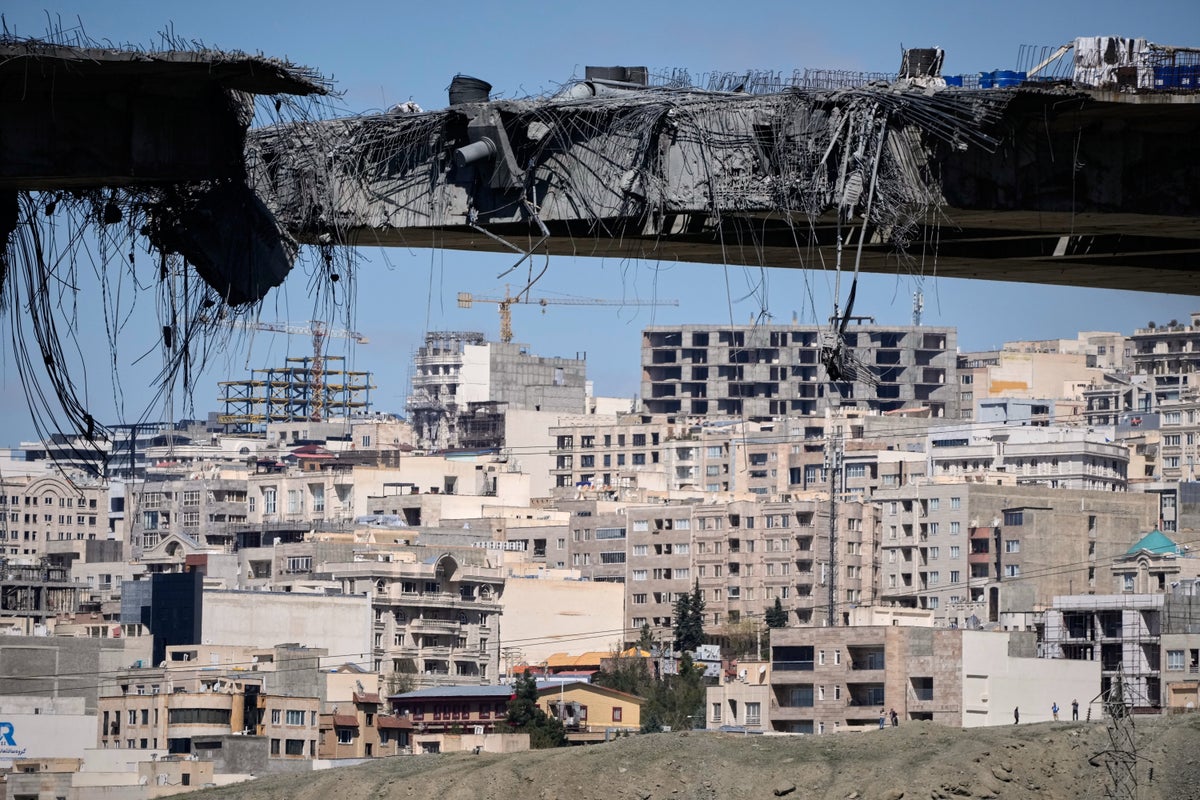
This is a systematic dismantling of the Iranian economy. President Donald Trump’s recent "Truth Social" posts haven't been subtle. He’s been talking about destroying bridges and electric power plants next. It’s a "bomb them back to the Stone Age" rhetoric that’s actually being backed up by cruise missiles.
What This Means for Your Wallet
If you're wondering why gas prices are spiking or why the markets look like a roller coaster, look at the Strait of Hormuz. Before this conflict, a fifth of the world’s oil and LNG passed through that narrow waterway. Iran has basically turned it into a toll booth—or a shooting gallery.
Even though a couple of French and Japanese ships managed to sneak through recently by hugging the Omani coast, the route is effectively paralyzed. The strike on Bushehr only adds to the "risk premium." Every time a projectile lands near a nuclear site, insurance premiums for shipping in the Gulf go through the roof.
The Missing Pilot and the New Turning Point
There's another layer to this chaos. The US is currently in a "frantic search" for a pilot after an F-15E Strike Eagle went down in Iranian territory on Friday. This is the first American aircraft lost inside Iran during this campaign.
Iran is offering rewards for the pilot’s capture, while the US is doubling down on strikes to provide cover for search-and-rescue teams. When you lose a pilot and then hit a nuclear site within 24 hours, the diplomacy window doesn't just close—it gets boarded up. Trump has already said the loss of the plane won't stop negotiations because, in his words, "It's war."
What Happens Next
Don't expect a de-escalation anytime soon. Iran’s Khatam al-Anbiya Central Headquarters has already threatened "devastating strikes" against any nation hosting US bases. That puts countries like Qatar, Bahrain, and the UAE in the crosshairs.
If you're tracking this, keep your eyes on the IAEA's radiation sensors and the status of the "Tehran Toll Booth" in the Strait. The move from hitting military bases to hitting the "vicinity" of nuclear plants suggests the gloves are completely off.
Stay informed on the specific status of the Mahshahr and Bandar Imam complexes, as the loss of petrochemical revenue will likely force Iran into more desperate maritime retaliations. The "peaceful energy" argument is dead; Bushehr is now a front-line fortification in a war that is rapidly expanding.