The "very big present" that arrived in the Oval Office this week was not wrapped in a bow. It was delivered in the form of a high-stakes diplomatic cable signaling that Tehran is finally buckling under the weight of a month-long air campaign and a maritime blockade that has brought the global oil market to its knees. President Donald Trump, flanked by Vice President JD Vance and Secretary of State Marco Rubio, announced on Tuesday that Iran has offered a "significant prize" related to oil and gas to halt the escalating conflict.
While the administration is touting this as a masterstroke of "maximum pressure" diplomacy, the reality on the water is far more volatile. This isn't just a negotiation over nuclear centrifuges; it is a desperate auction for the world's most vital energy chokepoint. Iran is offering to reopen the Strait of Hormuz to "non-hostile" vessels, effectively attempting to monetize the security of a waterway that carries 20% of the world's petroleum.
The Cost of the Corridor
The "gift" Trump referenced appears to be a multi-layered proposal to de-escalate the naval standoff in the Persian Gulf. For weeks, the Iranian Revolutionary Guard Corps (IRGC) has enforced a de facto toll on the strait, suggesting that regional states pay upwards of $50 per barrel to "compensate" Iran for its losses. By signaling a willingness to let tankers pass without the threat of missile strikes, Tehran is trying to trade its nuisance value for the survival of its remaining energy infrastructure.
This move follows a 30-day waiver issued by Treasury Secretary Scott Bessent, which authorized the sale of 140 million barrels of sanctioned Iranian crude currently sitting in "shadow fleet" tankers at sea. The administration’s logic is cold and purely mathematical. With global oil prices surging 50% to over $100 a barrel, the White House is prioritizing domestic pump prices over the total isolation of the regime.
A Regime in the Corner
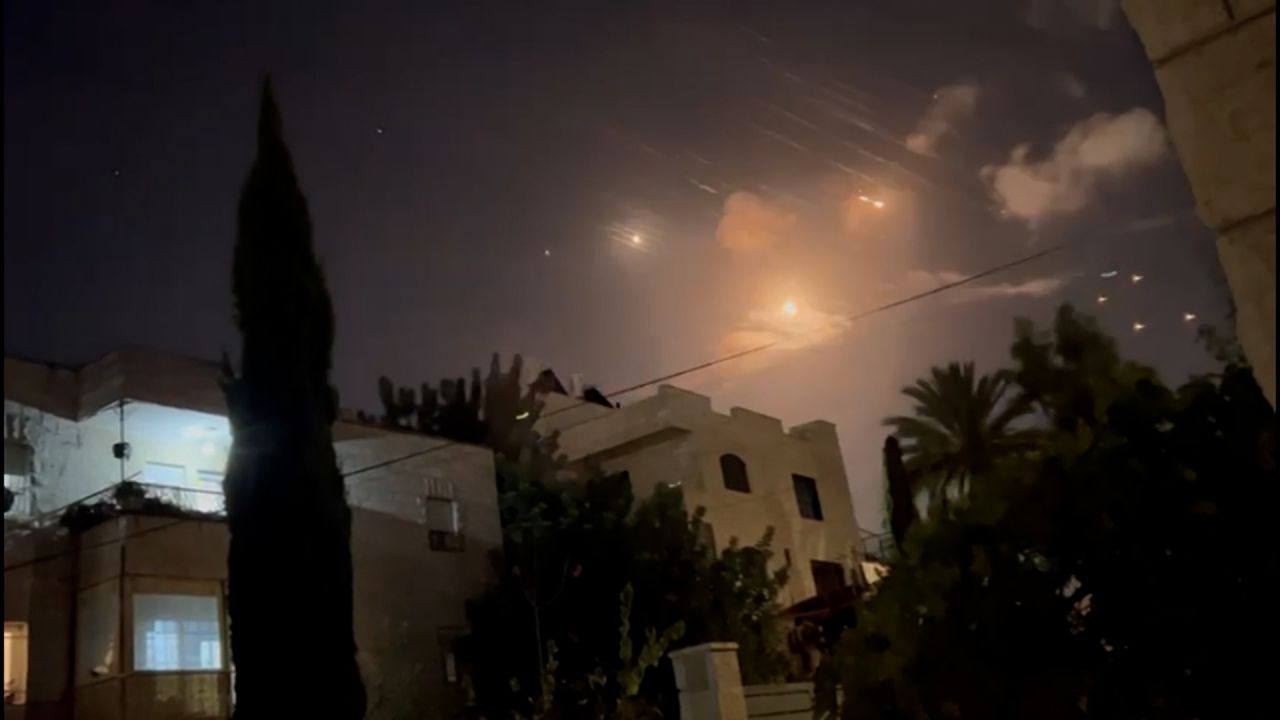
Inside the Iranian leadership, the tone has shifted from defiance to a fractured survival instinct. The Iranian Air Force and Navy have been gutted by weeks of targeted strikes. Communications networks are shattered. Trump’s blunt assessment—that "their navy’s gone, their air force is gone"—is backed by satellite imagery showing the smoking remains of the Isfahan nuclear complex and the Bandar Abbas naval facilities.
The "right people" Trump claims to be dealing with are likely intermediaries in Pakistan and Egypt, where backchannel talks have intensified. But this isn't a unified Iranian front. While President Masoud Pezeshkian and Foreign Minister Abbas Araghchi look for an off-ramp, hardliners within the IRGC-linked press are still pushing for a "yuan-denominated" transit regime. They want to bypass the U.S. dollar entirely, creating a new financial architecture for the Gulf where one sanction is lifted for every "protected" vessel that passes.
The Nuclear Red Line
For the Trump administration, the energy concession is the bait, but the nuclear program is the hook. Trump has reiterated that the central condition of any deal is a total and permanent halt to uranium enrichment.
"Number one, two, and three is they can't have a nuclear weapon," Trump stated.
The administration is using the five-day pause in planned strikes on Iranian power plants as a ticking clock. The "gift" may have arrived, but the price of admission to the global market is the dismantling of decades of nuclear research.
The Strategic Gamble
This isn't a conventional peace treaty. It is a high-stakes leverage play where the U.S. is "using Iranian barrels against Tehran" to stabilize an overheated world economy. The danger, of course, is that any sanctions relief provides a lifeline to a regime that has shown a remarkable ability to survive on the margins.
The question for the next week of negotiations is simple. Can the "significant prize" Iran has offered in the Strait of Hormuz be converted into a permanent nuclear settlement, or is this just a pause to allow the tankers—and the war—to resume their deadly cycles?
Ask me if you want a detailed breakdown of the current sanctions waivers for Iranian oil tankers.