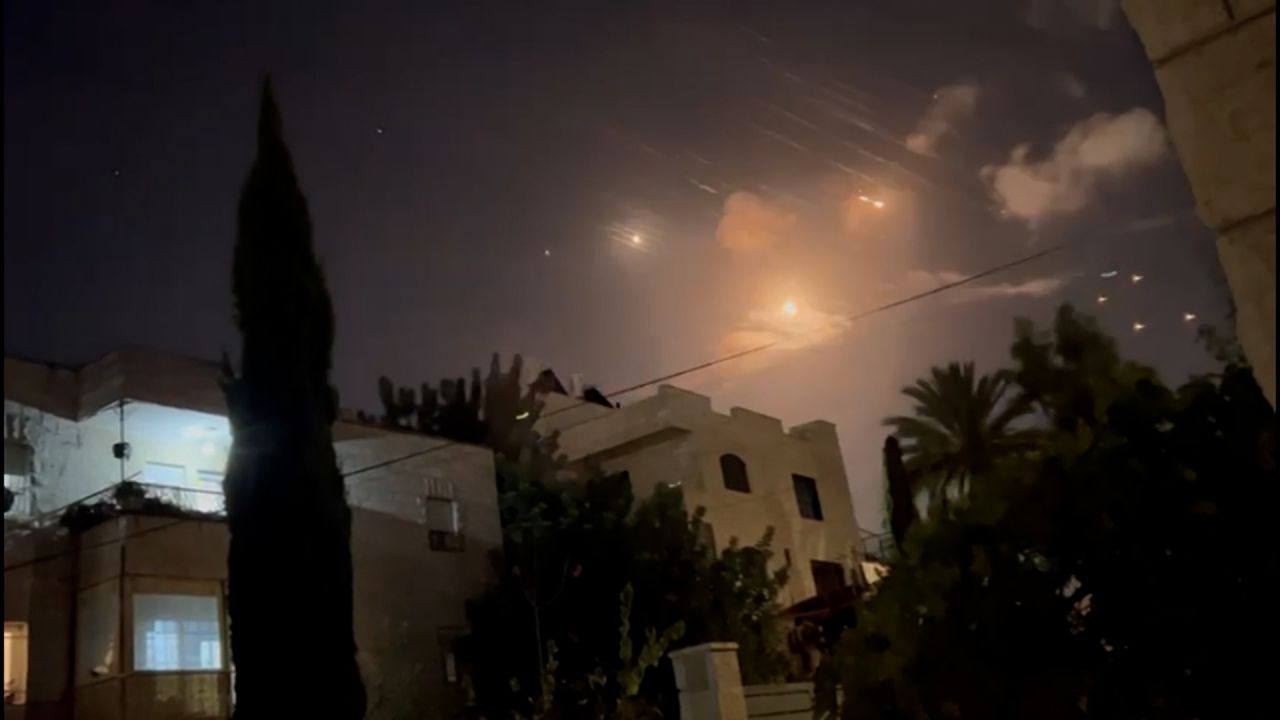
The Pentagon is moving pieces on the global chessboard again. While the White House keeps talking about de-escalation and "diplomatic paths," the reality on the ground looks a lot more like a classic military buildup. Specifically, the 82nd Airborne Division is reportedly prepping for a major deployment to the Middle East. If you've followed American foreign policy for more than five minutes, you know that when the 82nd gets the call, things aren't exactly "calm."
CBS News recently broke the story that thousands of these elite paratroopers are likely heading into the region. It’s a move that contradicts the rosy picture painted by state department briefings. We're told negotiations are moving forward, yet we're sending the world's most mobile "fire brigade" into the heart of the storm. It doesn't take a genius to see the disconnect. Read more on a connected issue: this related article.
The Gap Between Words and Boots
Politicians get paid to say one thing. The military gets paid to prepare for when those words fail. Right now, the Biden administration is juggling several balls. They're trying to contain the conflict in Gaza, prevent a full-scale war between Israel and Hezbollah, and keep the Houthis from shutting down global shipping. That's a lot of plates to spin.
Sending the 82nd Airborne isn't about starting a war. It's about being ready for the one that might start anyway. These troops from Fort Liberty are famous for their ability to deploy anywhere in the world within 18 hours. They aren't there to sit in an office. They're there because the situation is volatile. Honestly, calling it "volatile" is an understatement. It's a tinderbox. More reporting by USA Today highlights comparable views on the subject.
We've seen this movie before. In 2020, after the strike on Qasem Soleimani, the 82nd was rushed to the region. In 2021, they were the last ones at the Kabul airport. They're the go-to choice for high-stakes, "oh crap" moments. Their presence suggests that the U.S. doesn't actually trust the current negotiations to hold. If the diplomacy worked, the paratroopers would stay in North Carolina.
What This Deployment Actually Means
Let’s look at the logistics. We aren't just talking about a few dozen advisors. We're talking about an entire brigade combat team. That's roughly 3,500 to 4,000 soldiers. When you move that many people, you're sending a signal.
- Deterrence of Iran: The primary audience for this move is Tehran. Washington wants to make it clear that if Iran or its proxies push too hard, the U.S. has immediate "hit-back" capability.
- Protection of Assets: There are thousands of U.S. troops already in Iraq and Syria. They're sitting ducks for drone strikes. The 82nd provides a security layer that wasn't there last month.
- Contingency Planning: If a full-blown regional war breaks out, the U.S. needs a force that can seize airfields or protect evacuation routes.
Critics argue that this buildup actually makes war more likely. It’s the classic security dilemma. You build up to feel safe, but your neighbor sees the buildup and feels less safe, so they build up too. Pretty soon, everyone is standing in a room full of gasoline holding matches.
The Hezbollah Factor
The real "wild card" here is the northern border of Israel. The skirmishes between Israel and Hezbollah have moved past the "sporadic" phase. They're looking more like a slow-motion invasion. If that front explodes, the entire region goes with it. The 82nd Airborne is likely being positioned as a "just in case" force for exactly this scenario.
The Cost of Being the World Police
There's a human element here that gets lost in the "strategic" analysis. These are soldiers with families. Many of them just got back from other rotations. The operational tempo for the 82nd is brutal.
When the news cycle moves on to the next thing, these paratroopers will still be sitting in the heat, waiting for an order that might never come—or might come at 3:00 AM. It’s a massive drain on resources and morale. But from the Pentagon's perspective, it's the price of maintaining "stability." It’s an expensive, dangerous kind of stability.
Hard Truths About Regional Alliances
We also need to talk about our "partners" in the region. The U.S. is trying to act as a mediator, but it's hard to be a neutral referee when you're heavily arming one side and moving your own elite troops onto the field. Countries like Jordan, Egypt, and the UAE are watching this with extreme anxiety. They don't want a regional war any more than we do, but they also don't want a permanent U.S. "super-base" on their doorstep.
The deployment reveals a lack of faith in regional diplomacy. If the U.S. felt the regional players could handle it, the paratroopers would be training in the woods of North Carolina instead of prepping for desert heat.
Tracking the Movement
If you want to know what's actually happening, stop watching the press briefings. Watch the flight trackers. Look for C-17s and C-5s heading toward CENTCOM's area of responsibility. That's where the real story is.
The 82nd Airborne is a tool. Sometimes it’s a deterrent. Sometimes it’s a hammer. Right now, it looks like the U.S. is making sure the hammer is out of the toolbox and sitting right on the workbench. It’s a move born of necessity, but it’s one that signals a very dangerous summer ahead.
Pay attention to the specific units being named. If the 1st Brigade is going, that’s one thing. If the whole division starts moving, the math changes completely. Keep an eye on the official "Deployment Readiness Exercises" (DREs). Often, these are used as cover for actual movements before the public announcement hits. Stay skeptical of the "everything is fine" narrative. The boots on the ground tell a different story.
Check the latest troop movement reports through the Department of Defense's official news wing or reputable defense-focused outlets like Stars and Stripes. They often catch the details that the mainstream networks miss in the rush for a headline.