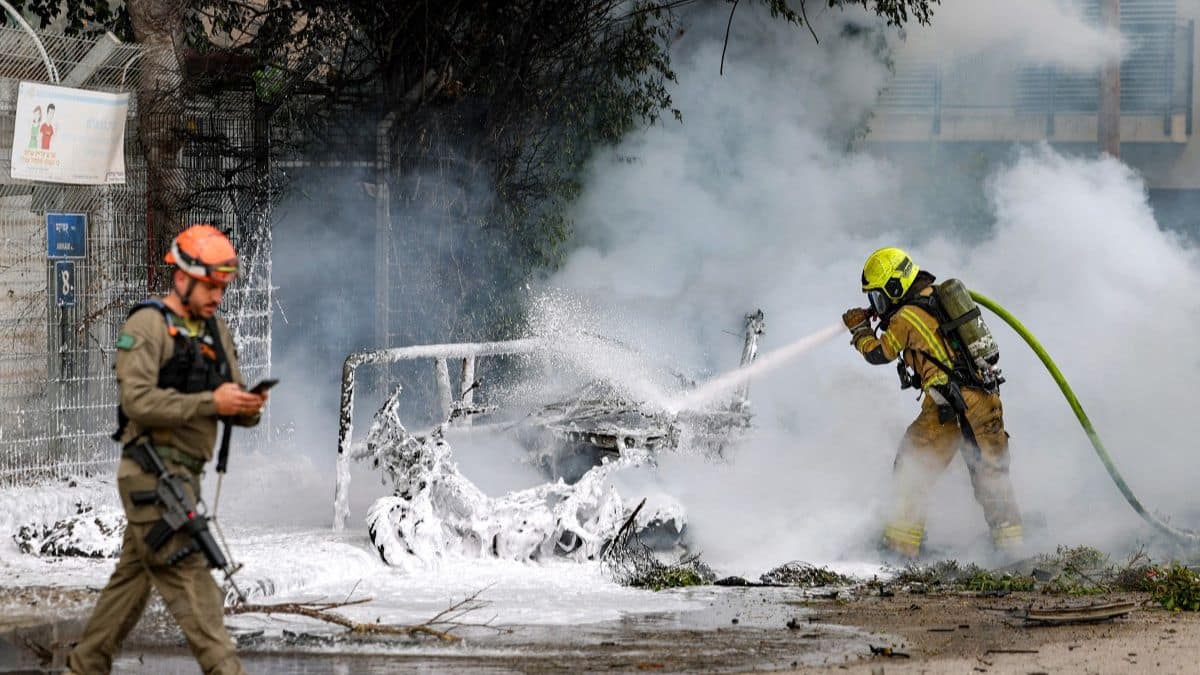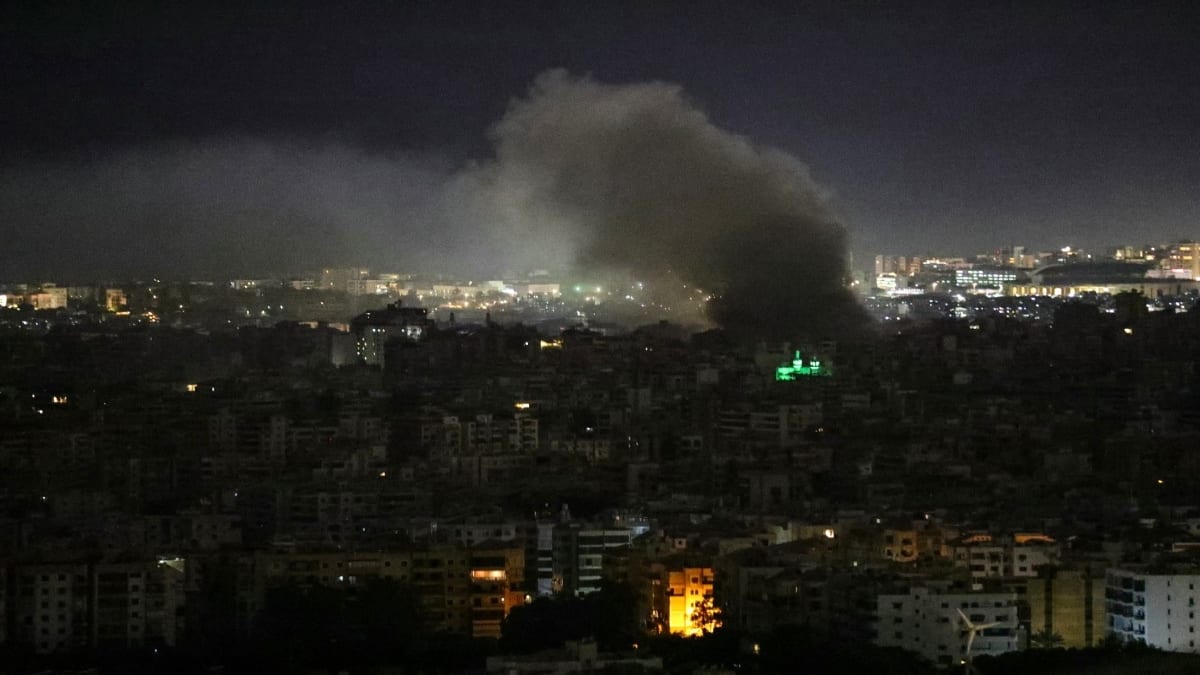
Israel has just funneled an emergency $827 million (NIS 2.6 billion) into its defense apparatus as the direct war with Iran enters its third week. While official statements frame this as "essential defense procurement," the move exposes a far more desperate reality. Israel is running dangerously low on the very interceptors that keep its cities from becoming craters, and the financial architecture of the state is beginning to crack under the weight of a war that costs $500 million every forty-eight hours.
This isn't just a budget adjustment. It is a frantic attempt to buy time.
The cabinet approved the package in a late-night telephone vote, bypassing the usual legislative scrutiny. Of the total, NIS 1.5 billion is being cannibalized from the yet-to-be-finalized 2026 state budget, while the remaining NIS 1.1 billion is being stripped from other government ministries. If the broader 2026 budget fails to pass the Knesset by the March 31 deadline, the government dissolves, triggering a political crisis in the middle of an existential conflict.
The Interceptor Deficit
For years, the Israeli Air Force operated under the assumption of "qualitative edge." That edge is currently being blunted by the sheer arithmetic of Iranian missile volleys. Reports indicate that the military is facing a critical shortage of ballistic missile interceptors for the Arrow and David’s Sling systems.
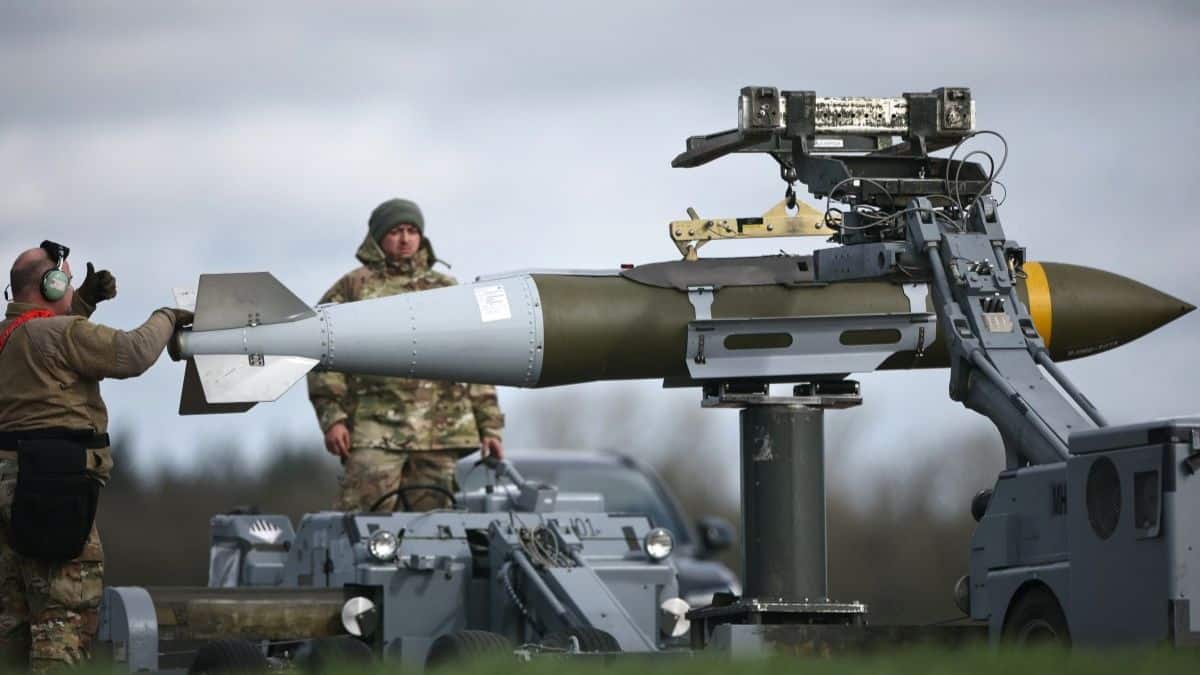
When Iran launches a mid-range ballistic missile, the cost of the projectile might be $100,000. The cost to intercept it is often ten to twenty times that amount. In the first sixteen days of this conflict, Israel has burned through munitions at a rate that would bankrupt a smaller nation in a weekend. The $827 million injected this week is specifically earmarked for "classified equipment," a euphemism for high-end interceptors and precision munitions that the United States cannot ship fast enough.
The Cannibalized Civilian Economy
To fund the "Roaring Lion" operation, the Ministry of Finance has implemented a 3% across-the-board cut to all other ministries. This is where the war hits the average citizen.
- Education: Funding for classroom tech and teacher training has been frozen.
- Health: Elective surgeries are being postponed as hospital budgets are diverted to emergency preparedness.
- Transportation: Major infrastructure projects intended to de-congest Tel Aviv have been halted.
While the defense budget has ballooned to NIS 143 billion, the national deficit ceiling has been shoved upward to 5.1% of GDP. This is a gamble. The government is betting that the war will remain intense but brief. If the conflict stretches into the summer, the current 5.1% projection will look like a fantasy.
The Trump Factor and Global Markets
The geopolitics of this budget are inextricably linked to Washington. President Trump has publicly called for a "naval coalition" to secure the Strait of Hormuz, yet his rhetoric remains transactional. He has noted that "Iran wants to make a deal," while simultaneously suggesting the U.S. might strike Iranian assets "just for fun."
This unpredictability is sending oil prices toward $110 a barrel. For Israel, this is a double-edged sword. Higher oil prices increase the cost of maintaining a massive domestic air fleet, yet they also place immense pressure on the global community to force a ceasefire. However, Iran’s strategy appears to be one of attrition. By forcing Israel to spend $2.6 billion in a single "emergency" weekend, Tehran is attacking the shekel as much as the Iron Dome.
The Hidden Costs of Mobilization
Beyond the hardware, there is the human capital. The budget assumes an average of 40,000 active reservists throughout 2026. This is a massive reduction from the 300,000 called up during previous escalations, but it still represents a significant drain on the high-tech sector. When a lead developer at a Tel Aviv startup is called to the northern border, the company doesn't just lose a body; it loses momentum and investor confidence.
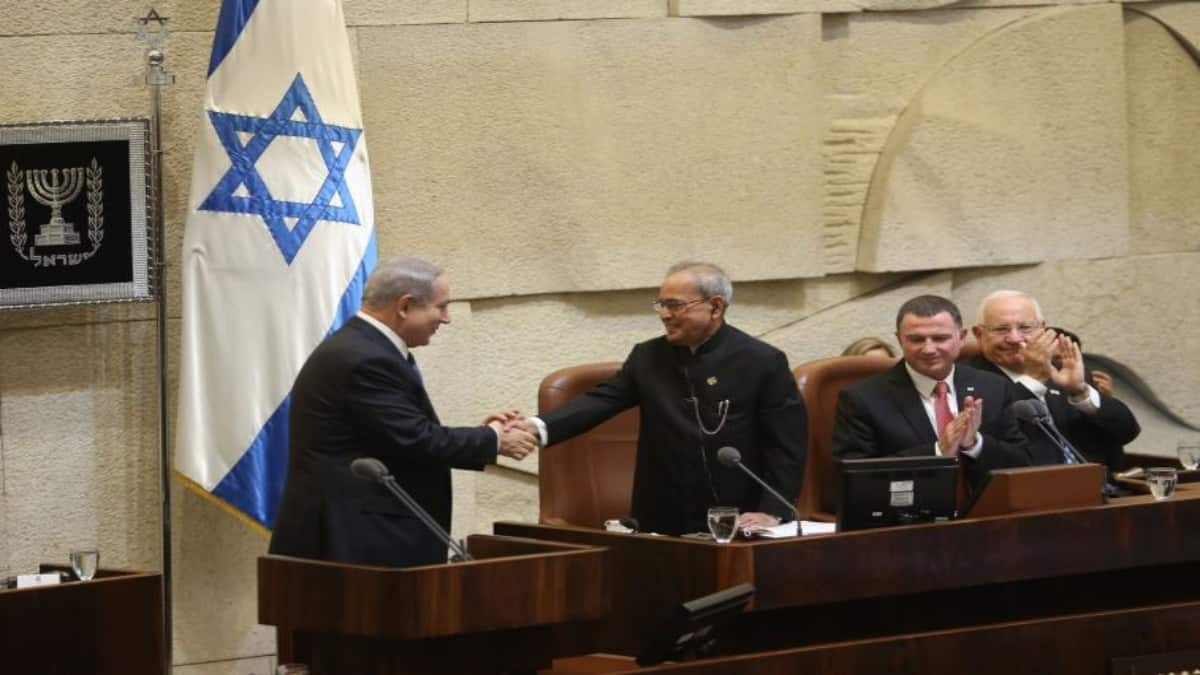
Finance Minister Bezalel Smotrich has been vocal about the "wasteful" nature of military spending, yet he was forced to sign off on this emergency infusion. The tension between the treasury and the military is at an all-time high. The treasury wants efficiency; the military wants survival. In this environment, survival always wins, regardless of the long-term inflationary consequences.
The 2026 budget is currently a document of fiction. It relies on a 5.1% growth forecast that assumes the skies will be clear and the factories will be running at full capacity by the second half of the year. If the Iranian "swarm" tactics continue to force high-frequency interceptions, the $827 million approved this weekend will be gone before the month is out.
Israel is no longer just fighting a war of borders. It is fighting a war of balance sheets, and the numbers are starting to bleed.