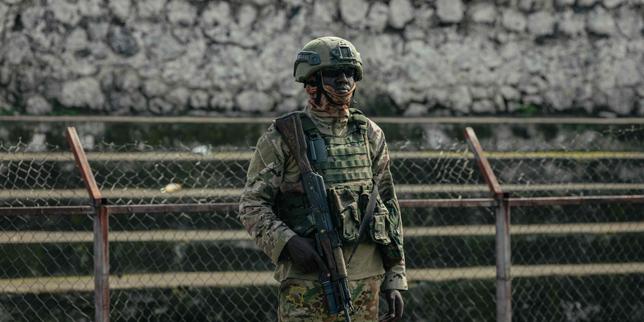
Imagine being shoved into a rusted metal box under the scorching sun of North Kivu. There’s no air. There’s no light. The walls radiate heat until the interior feels like a furnace, and when the sun goes down, the metal turns ice-cold. This isn't a scene from a horror movie. It’s the daily reality for civilians trapped in areas controlled by the M23 rebels in the eastern Democratic Republic of Congo.
People call these places "the valley of death" for a reason. Reports from human rights observers and survivors who managed to escape paint a picture of systematic cruelty. The M23 isn't just fighting a war against the Congolese army (FARDC); they're running a terrifying parallel administration where dissent is met with shipping containers used as dungeons. If you live in Rutshuru or Masisi, your life can change because of a whisper, a suspected affiliation, or simply because you have something the rebels want.
Why the M23 uses shipping containers as cells
You might wonder why a rebel group bothers with shipping containers. It's about psychological warfare. A container is portable, nearly indestructible, and incredibly easy to turn into a torture chamber. In places like Kishishe or Bunagana, these metal boxes serve as a visual reminder of who holds the power.
When you lock dozens of people in a space designed for cargo, the lack of oxygen becomes a weapon. Survivors describe the smell of sweat, waste, and fear. They talk about the desperation of trying to breathe through tiny bullet holes or gaps in the door frame. It's a calculated move to break the spirit of the local population. By the time someone is released—if they are released—they're often physically broken and mentally shattered.
The human cost of the North Kivu conflict
We often see numbers in the news. "Seven million displaced." "Thousands killed." Those figures are so large they become abstract. But the reality is found in the individual stories of the men and women who were dragged from their fields.
- The Farmer: A man accused of passing information to the Wazalendo (local pro-government militias). He spent three weeks in a container near Rubaya. He lost 15 kilograms and can no longer walk straight.
- The Mother: A woman detained because her husband fled the village instead of paying a "security tax" to the rebels. She was held for four days without water.
- The Youth: Young boys forced to carry ammunition during the day and locked in metal boxes at night to prevent them from deserting.
This isn't just collateral damage. It's a deliberate strategy to control territory through absolute terror. The M23 claims they're protecting certain populations, but their actions on the ground tell a different story. You can't claim to be a liberator while you're suffocating civilians in steel boxes.
The failure of international pressure
Honestly, the global response has been lackluster. We've seen statements of "deep concern" from the UN and various Western governments. There have been sanctions against specific commanders. But does any of that change the temperature inside a container in eastern DRC? Not really.
The conflict is deeply tied to regional geopolitics, specifically the involvement of Rwanda, which the UN Group of Experts has repeatedly linked to the M23. Despite the evidence, the flow of weapons and support continues. The M23 has become better equipped, using drones and sophisticated communication gear, while the civilians pay the price. The diplomatic "wait and see" approach is failing. Every day that passes without real accountability is another day someone dies from heatstroke or dehydration in a rebel-held village.
Life under the M23 administration
Living in an M23-controlled zone is like walking on eggshells. The rebels have set up their own tax systems and local checkpoints. They've replaced traditional leaders with their own appointees. It’s a shadow state.
If you're a civilian there, you're constantly evaluated. Are you a threat? Are you useful? If the answer to the first is "maybe" and the second is "no," you're in trouble. The containers are used for anyone suspected of "collaborating" with the government. But "collaboration" is a loose term. It could mean having a relative in the army or just being seen talking to the wrong person.
The health crisis inside the boxes
The medical reality of these makeshift prisons is horrifying. In a confined, unventilated metal space, infectious diseases spread like wildfire. Cholera and respiratory infections are common. There's no medical care. If you get sick, you either recover by some miracle or you die in the corner of the box.
When bodies are removed, they're often buried in unmarked pits. This makes it incredibly difficult for human rights groups to document the full scale of the killings. The secrecy is part of the point. If there's no body and no record of the arrest, the M23 can claim it never happened.
Breaking the cycle of violence
Solving this isn't just about pushing the rebels back. It's about addressing the vacuum that allows them to exist. The Congolese state is weak in the east. The army is often disorganized and underfunded. This leaves a gap that militias and rebel groups are happy to fill.
We need to stop looking at this as a local skirmish. It’s a humanitarian catastrophe fueled by mineral wealth and regional power struggles. The shipping containers are just the most visible symptom of a much deeper rot.
If you want to help, the first step is staying informed and supporting organizations that actually have boots on the ground. Groups like Human Rights Watch and local Congolese NGOs are the ones doing the dangerous work of documenting these container prisons. They need resources to keep the spotlight on North Kivu.
Demand more from your elected officials regarding foreign policy in the Great Lakes region. Sanctions need to be more than just symbols; they need to hit the financial networks that keep the M23's containers locked. Don't let the "valley of death" stay in the shadows. Public pressure is one of the few tools left to ensure these metal doors are eventually forced open for good. Supporting the work of the Kivu Security Tracker is a concrete way to stay updated on the specific locations and incidents of violence as they happen in real-time.