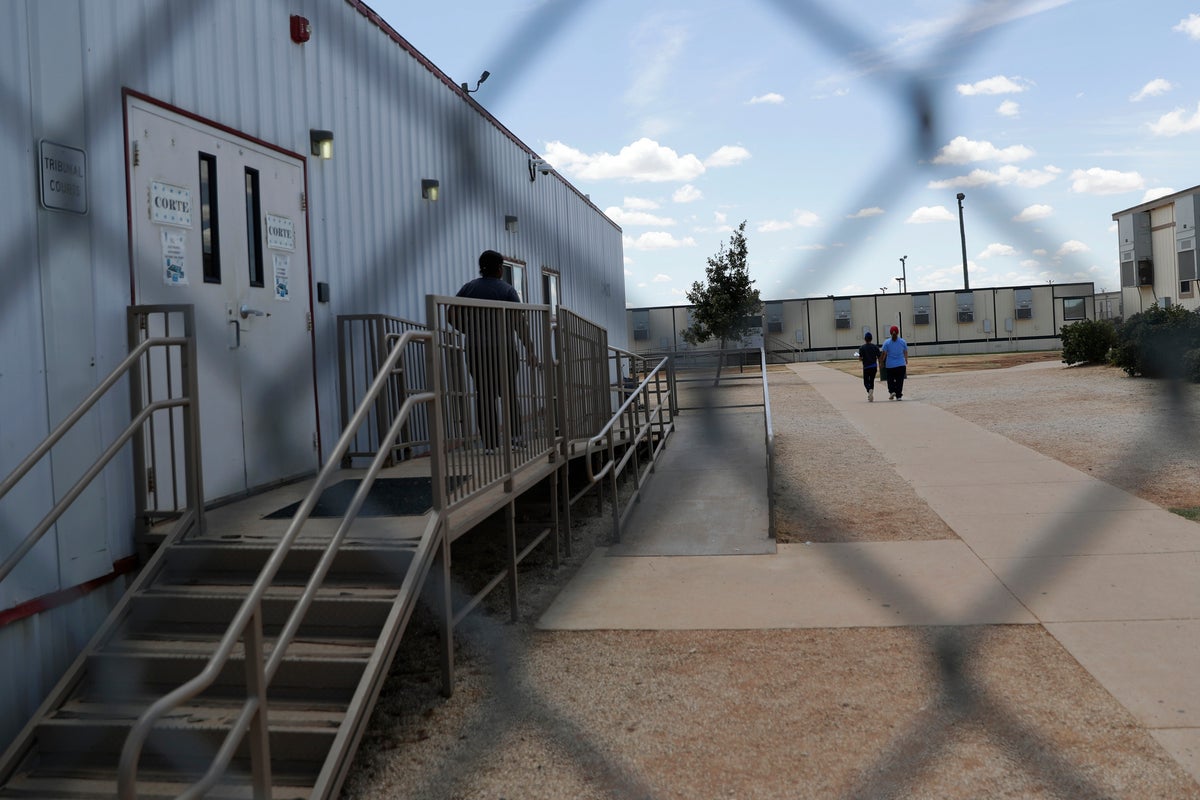
The audio is enough to make your stomach turn. When you listen to the 911 calls trickling out of ICE detention centers, you aren't just hearing bureaucracy or "processing" delays. You're hearing the sound of children who can't draw a breath. You're hearing the panicked voices of staff and detainees watching someone have a seizure while the clock ticks away. This isn't just a lapse in paperwork. It’s a systemic failure of medical care that puts the most vulnerable people in the world at risk.
Recent reports and leaked emergency call logs have pulled back the curtain on what actually happens inside these facilities. While the official line often emphasizes "safety and security," the reality captured in these frantic calls paints a much darker picture. We're talking about broken bones left untreated for far too long and respiratory distress that turns into a life-and-death struggle. It's a crisis hidden behind high fences and NDAs.
Why Medical Neglect in Detention Is a National Scandal
Most people think of detention centers as temporary holding cells with basic clinic access. They aren't. Often, these facilities are run by private contractors who prioritize profit margins over the cost of a specialized doctor or a quick ambulance ride. When a child is gasping for air, every second counts. In many of these recorded 911 calls, there's a palpable sense of confusion and delay.
Advocacy groups like the ACLU and Human Rights Watch have been screaming about this for years. They've documented cases where "medical staff" aren't actually doctors or even registered nurses. Sometimes, they're just technicians following a rigid, slow-moving script. If you've ever dealt with a kid having a high fever or a broken arm, you know you don't wait for a supervisor's supervisor to approve a trip to the ER. But in ICE custody, that's often exactly what happens.
The Horror of Respiratory Failure and Seizures
The most chilling calls involve children. There is something uniquely haunting about a 911 operator trying to walk a detention guard through CPR on a toddler. Reports indicate that multiple calls were placed because children were literally unable to breathe. Whether it’s untreated asthma, pneumonia from cramped conditions, or undiagnosed viral infections, the result is the same. The child turns blue. The staff panics.
Seizures are another recurring nightmare in these logs. A seizure is a terrifying medical event under the best circumstances. Inside a concrete cell, it’s a death sentence if not handled correctly. When you hear a caller describe a person "shaking uncontrollably" while waiting minutes just for the gate to be unlocked for an ambulance, you realize the infrastructure isn't designed for survival. It's designed for containment.
Broken Bones and the Slow Burn of Neglect
Not every emergency is a sudden collapse. Some of the most heartbreaking 911 calls involve injuries that have been ignored until they became unbearable. Imagine a teenager with a compound fracture—a bone literally sticking out or visibly displaced—waiting hours or even days for anything more than an ibuprofen.
This isn't hyperbole. Investigative journalists have tracked logs where "fall injuries" or "accidental breaks" weren't treated as emergencies by the facility's internal medical team. It was only when the situation became "unstable" that an outside call was finally made. By that point, the risk of permanent nerve damage or systemic infection (sepsis) skyrocketed.
The Protocol Gap That Kills
Why does this happen? It’s the protocol. In many private detention centers, calling 911 is a last resort because it’s expensive. An ambulance ride and an ER visit eat into the facility's bottom line. Instead, they try to "manage" the situation in-house with skeletal staff.
- Delayed Triage: Guards often lack the medical training to recognize the early signs of shock.
- Gate Delays: Ambulances are frequently held at the perimeter for security checks while the patient is dying inside.
- Language Barriers: Sometimes the person needing help can't explain their symptoms, and the staff doesn't bother to find an interpreter until it's too late.
The Long Term Impact on Survivors
If you survive a medical emergency in a detention center, the trauma doesn't just vanish when the physical wound heals. Children who experience respiratory failure or witness a parent having a seizure without help develop deep-seated PTSD. They learn that the people in uniforms—the people who are supposed to be in charge—won't help them when they're dying.
It’s a betrayal of basic human rights. We have to be honest about the fact that these "incidents" aren't outliers. They are the predictable result of a system that treats human beings as bed-occupancy numbers rather than patients. When you look at the sheer volume of calls coming from specific ZIP codes tied to these centers, the pattern is impossible to ignore.
What Needs to Change Right Now
We can't just keep listening to these tapes and shaking our heads. There has to be a shift in how medical oversight is handled in these facilities. If a facility cannot provide 24/7 emergency care that meets the standard of a local hospital, it shouldn't be holding people. Period.
First, we need independent medical oversight. Currently, ICE mostly investigates itself. That's a joke. We need third-party doctors with the power to walk into any facility, unannounced, and inspect the infirmaries.
Second, the "gate delay" for emergency services must end. If a 911 call is placed, the ambulance should have immediate, pre-cleared access. Security shouldn't trump a heartbeat.
Third, there has to be accountability for the private companies running these centers. If a child suffers a seizure and doesn't get help for twenty minutes, that company should lose its contract. No excuses. No second chances.
If you want to do something about this, start by looking up the detention facilities in your own state. Many people don't even realize they're living twenty miles away from a place where these calls are being made. Support organizations like the National Immigration Law Center or Doctors for Camp Closure. They are the ones on the ground trying to get medical professionals inside these walls. Don't let the sound of these calls fade into the background noise of the news cycle. Use your voice to demand that "custody" doesn't mean a death sentence by neglect.