In a small, windowless room somewhere in the labyrinth of the Hart Senate Office Building, the air usually smells of stale coffee and the quiet hum of high-stakes bureaucracy. It is here that the concept of "national security" stops being a campaign slogan and starts being a ledger of blood and treasure. On one side of the ledger sits a seventy-five-year-old promise. On the other sits a growing, restless resentment.
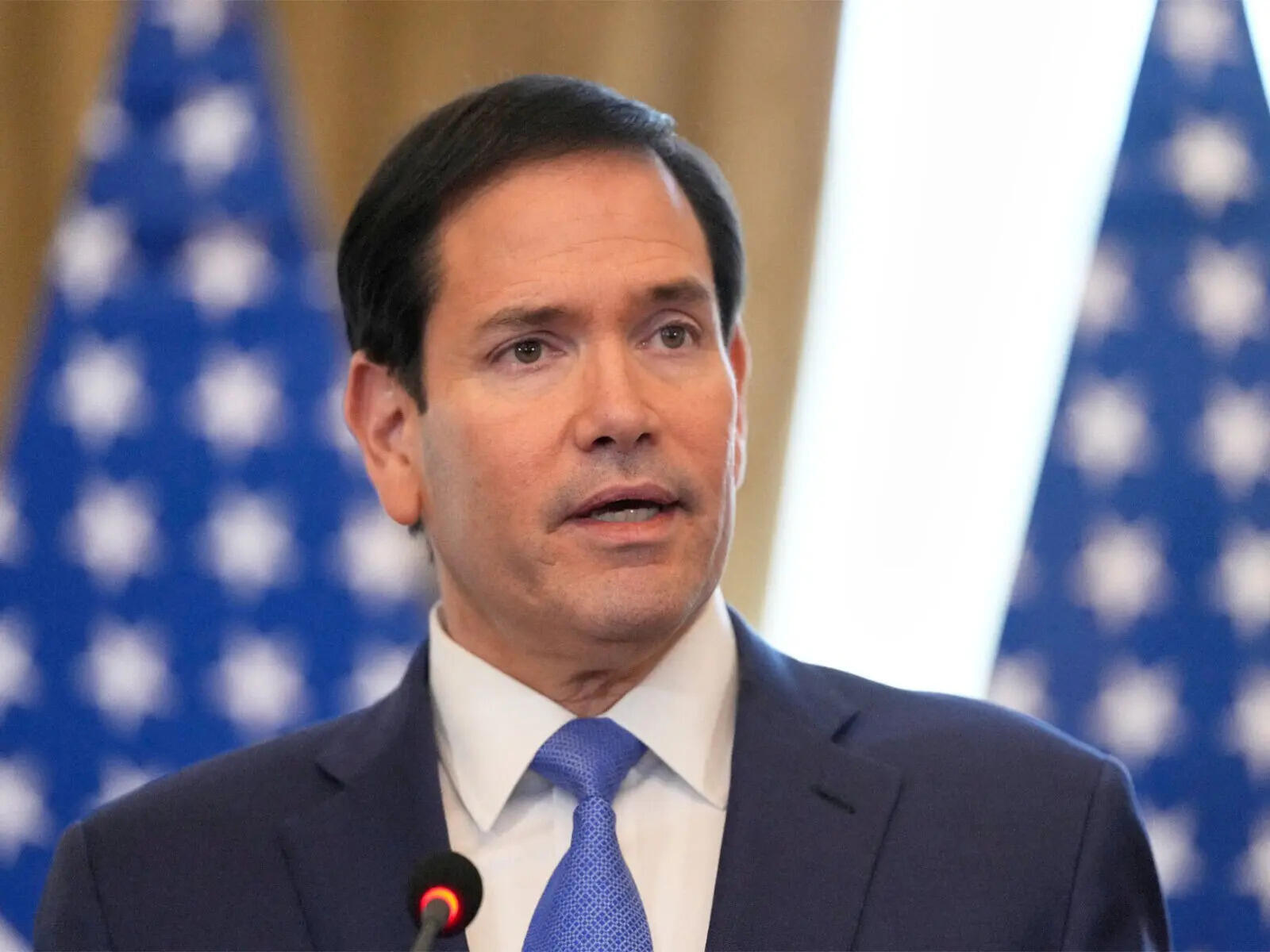
Marco Rubio, a man who has spent years navigating the jagged edges of American foreign policy, recently stared at that ledger and decided the math no longer adds up. He didn't just suggest a policy tweak. He suggested that the most successful military alliance in human history might be heading for a divorce.
NATO has always been the ultimate security blanket. For decades, the logic was simple: if you mess with one of us, you mess with all of us. It was a pact signed in the shadow of a world that had just finished burning itself to the ground. But blankets get thin. They fray. Eventually, they stop keeping out the cold.
The Ghost at the Table
To understand why a senior American senator is ready to walk away, you have to look past the podiums and the blue-and-gold flags. Think instead of a hypothetical taxpayer in Ocala, Florida. Let's call him Elias.
Elias doesn't spend his mornings reading white papers from Brussels. He spends them looking at his grocery receipts and wondering why the bridge in his town has been under construction for three years. When Elias hears that the United States is effectively subsidizing the national defense of nations that enjoy universal healthcare and six-week vacations, he doesn't see a "strategic partnership." He sees a bad deal.
Rubio is betting that there are millions of Eliases.
The core of the friction is Article 5. It is the "all for one" clause. For seventy-five years, it has been the invisible wall holding back the tide. But Rubio’s recent rhetoric suggests that the wall is only as strong as the will of the people building it. He argued that if our partners aren't willing to carry their own weight, the United States must "reassess" the relationship.
Reassess.
It is a polite, clinical word that carries the weight of a sledgehammer. In the language of diplomacy, it is the first step toward the exit.
The 2 Percent Ghost
There is a number that haunts every NATO summit: 2 percent. That is the percentage of GDP that member nations are supposed to spend on their own defense. For years, it was treated like a polite suggestion—the kind of "suggested donation" you see at a museum.
The United States, meanwhile, has been paying the full admission price and then some. We are the friend who drives everyone to the party, buys the drinks, and stays sober to make sure everyone gets home, only to realize the "friends" in the backseat haven't even offered gas money in a decade.
Rubio’s frustration isn't just about the cash. It’s about the psychology of dependency. When you provide a permanent safety net for someone, they never learn how to stick the landing. Europe, in the eyes of many in Washington, has become a continent of architectural beauty and strategic atrophy.
Russia’s invasion of Ukraine was supposed to be the alarm clock. For a moment, it worked. Germany promised a "Zeitenwende"—a historic turning point in defense spending. Poland began buying tanks like they were going out of style. But as the conflict drags into its third year, the old lethargy is creeping back in. Some nations are looking at their spreadsheets and deciding that maybe the American umbrella is still big enough to cover them after all.
The Invisible Stakes
If the United States steps back, the world doesn't just stay the same but quieter. It changes shape.
Without the American guarantee, the Baltic states—Estonia, Latvia, Lithuania—become pieces on a chessboard where the other player has all the queens. These are not abstract entities. They are places with cafes, tech startups, and families who remember what it was like when the shadow of Moscow wasn't a memory, but a daily reality.
If Rubio’s "reassessment" leads to a withdrawal, the message to the world is clear: the era of the superpower is over. The Pax Americana, that long stretch of relative global stability maintained by American might, would dissolve.
What replaces it?
Probably not a peaceful, multipolar utopia. More likely, it would be a return to the 19th century—a world of spheres of influence, where might makes right and borders are written in pencil, ready to be erased by the next person with a bigger army.
A Relationship on the Rocks
Rubio’s stance reflects a deeper shift in the American psyche. We are tired. We are frustrated. We are looking at our own crumbling infrastructure and our own fractured society and wondering why we are the world's 911 dispatcher.
But a divorce is never just about who gets the house. It's about what happens to the kids. In this case, the "kids" are the democratic values that have managed to flourish because they were protected by a steel ring of cooperation.
The senator’s critique is a warning shot. He is telling Europe that the bank is closing. The protector is weary. The debt is being called in.
Imagine a bridge. One side is anchored in the soil of North America, the other in the old stones of Europe. For decades, it has been the busiest thoroughfare of ideas, commerce, and security in the history of the world. Now, one of the architects is standing in the middle of that bridge with a handful of blueprints and a worried expression, pointing at the cracks in the foundation.
He isn't saying the bridge must fall. He is saying it can no longer be held up by only one side.
The silence that follows his words is the sound of a continent holding its breath, wondering if they still remember how to build.
The ledger is open. The pen is poised. And for the first time since 1949, the ink is starting to dry.