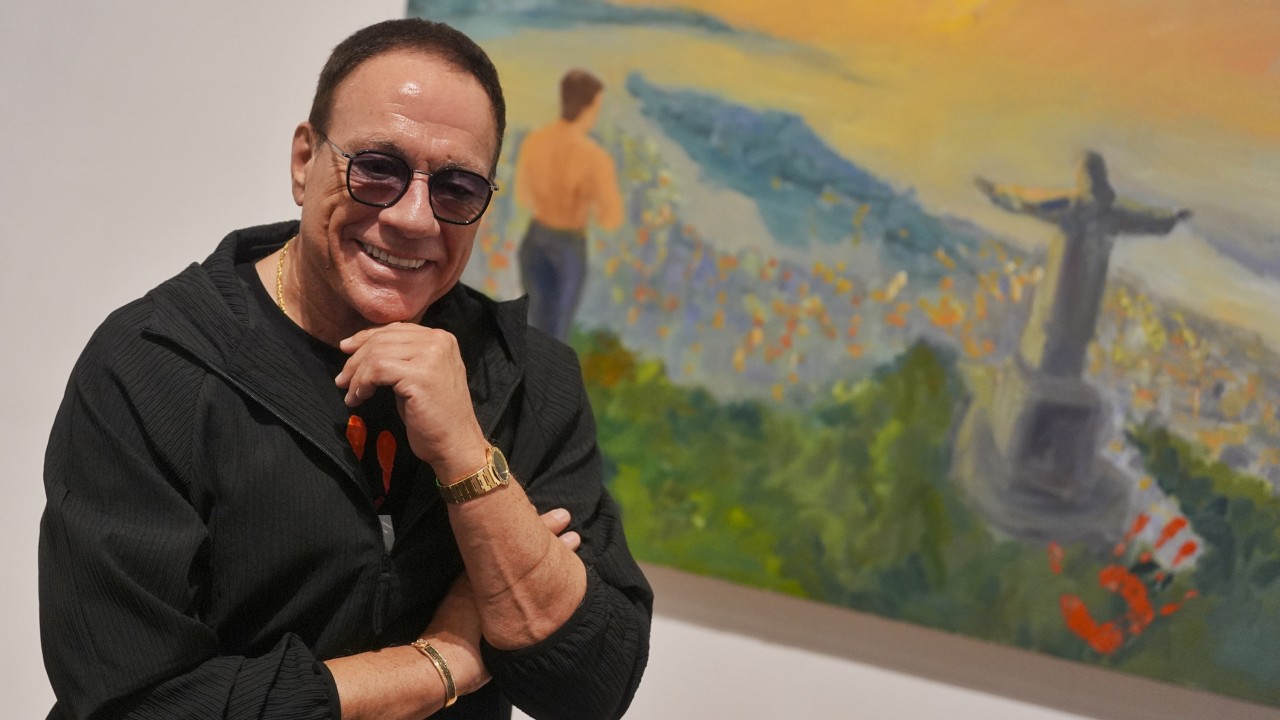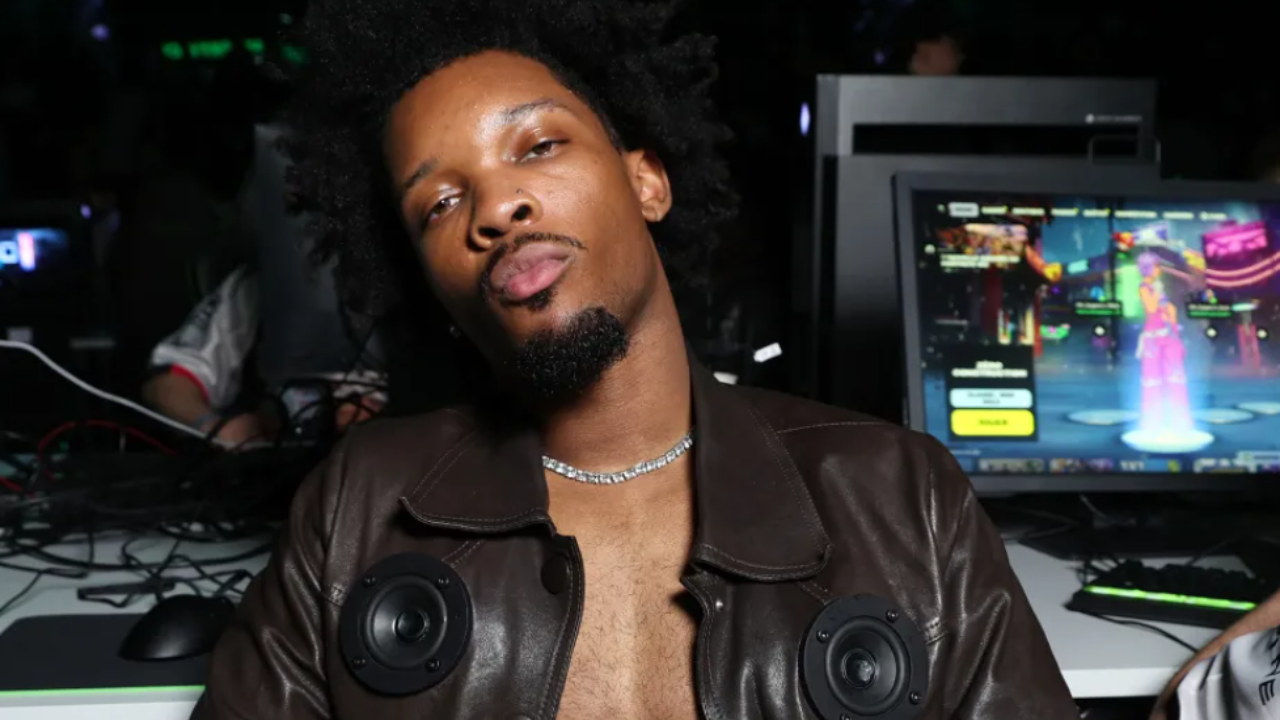
The press releases are glowing. The trades are buzzing. Tina Fey, Jamie Dornan, and Riz Ahmed have been announced as the first three guest hosts for the UK adaptation of Saturday Night Live. On paper, it looks like a masterstroke. You have the American architect of the modern SNL era, a home-grown heartthrob with range, and an Oscar-winning intellectual powerhouse.
It is a vanity project built on a foundation of sand.
The industry consensus is that importing the SNL brand to London is the "logical next step" for British comedy. Producers are betting that the prestige of the brand will translate across the Atlantic. They are wrong. They are ignoring the fundamental genetic differences between American variety television and the British comedy ecosystem. By trying to replicate a 50-year-old American institution, the creators are already stifling the very thing that makes British humor vital: its inherent subversion of authority.
SNL is an institution. In the UK, institutions are meant to be torn down, not emulated.
The Tina Fey Fallacy
Starting with Tina Fey is the ultimate "safety first" move. It’s also a massive strategic error. Fey is the high priestess of the 30 Rock style of meta-commentary. Her presence is a signal to the audience that says, "Don’t worry, we know how to do this because we brought the person who did it over there."
But the UK does not need an American to teach it how to be funny.
When you lead with Fey, you aren't launching a British show; you are launching an American franchise's satellite office. It smells of insecurity. It suggests that the producers don't trust the local talent pool to carry the weight of a premiere. If the goal was to establish a unique British identity, the host should have been someone who embodies the chaotic, often mean-spirited energy of the London club circuit—not a polished veteran of the NBC machine.
I have seen dozens of international formats fail because they imported the "playbook" instead of the "spirit." You can buy the theme music and the set design, but you cannot buy the cultural shorthand.
Jamie Dornan and the Trap of "Prestige Humor"
Jamie Dornan is a fine actor. He is charming. He can do physical comedy. But his casting, along with Riz Ahmed’s, points to a troubling trend: the "Bafta-fication" of sketch comedy.
SNL in America thrives when it’s messy. It works when a host is a slightly unhinged comedian or a terrified athlete who might blow a line. When you stack the deck with prestigious dramatic actors, you get "elevated" sketches. You get polite laughter. You get sketches that are technically proficient but functionally toothless.
British comedy is at its best when it is ugly. Think of The Young Ones, Bottom, or the early years of Little Britain. These shows didn’t care about looking good on a resume. They were built on the "grotesque." By casting Dornan and Ahmed, the producers are aiming for a sleek, upscale version of comedy that fits perfectly into a Saturday night timeslot but fails to leave a mark on the culture.
The Logistics of a Failed Experiment
Let’s talk about the actual mechanics of the "Live" format. In New York, SNL benefits from being the only game in town. It is the center of the universe for one night.
London is different. The UK already has a rich history of topical satire—Have I Got News For You, The Last Leg, and a thousand BBC Radio 4 programs. The "news parody" niche is saturated. What does a UK SNL offer that a viewer can't get from a specialized panel show?
The American SNL works because it is a marathon of endurance. The "Live" aspect creates a tension that is palpable. In the UK, where "as-live" recordings are the standard for almost every major comedy program, the novelty of a live broadcast is diminished. The audience doesn't care if it's live; they care if it's funny. And comedy written in a six-day "pressure cooker" usually results in 90 minutes of filler with two minutes of "viral" gold.
Imagine a scenario where the writers' room is terrified of offending the very celebrities they are supposed to be mocking. In the US, SNL has become a campaign stop for politicians and a PR reset for actors. If the UK version follows suit, it will become another toothless cog in the celebrity industrial complex.
The False Promise of the "Big Break"
The common defense for this reboot is that it will provide a "platform for new talent."
This is a lie.
The UK already has the Edinburgh Fringe. It has the Soho Theatre. It has a massive, thriving circuit of alternative comedy that doesn't need a corporate structure to validate it. When a massive entity like SNL enters the market, it doesn't "foster" talent; it homogenizes it. Performers start writing for the "SNL audition" instead of writing for the joke.
I’ve watched incredible performers lose their edge because they were trying to fit into the "sketch, update, musical guest" template. It’s a creative straitjacket. The best British comedy has always been idiosyncratic and weird. SNL is a factory. You cannot mass-produce the avant-garde.
Why the "Weekend Update" Will Fail in London
The "Weekend Update" segment is the soul of the American show. It relies on a specific type of American "anchor-man" persona—the smug, self-serious news reader.
In the UK, we don't have that same reverence for the news anchor. Our news culture is already cynical. Our satire is already baked into the way we consume information. Trying to do a British "Update" usually results in a pale imitation of The Daily Show or a less-informed version of Mock the Week.
If they want to actually disrupt the Saturday night landscape, they shouldn't be looking at what works in New York. They should be looking at what worked in the 90s on Channel 4. They should be looking for the discomfort.
The High Cost of Imitation
The budget for a show like this is astronomical. Between the licensing fees to NBCUniversal and the production costs of a live variety show, the "per-joke" cost is higher than any other show on British TV.
This is money that could have funded twenty original pilots.
Instead, the industry is doubling down on a "proven" brand because it's the safe bet for advertisers. But safety is the death of comedy. The moment you start thinking about "brand synergy" and "guest host appeal," you have lost the war.
Riz Ahmed is a brilliant man. Jamie Dornan is a global star. Tina Fey is a legend. But they are being used as shields. They are there to protect the producers from the reality that they are launching a product that nobody actually asked for.
The British public doesn't want an American export dressed in a Union Jack. They want something that feels like it belongs to them—something messy, something localized, and something that isn't afraid to bite the hand that feeds it.
You can’t manufacture a "culture-defining moment" with a guest list. You do it by taking risks. And hiring Tina Fey to host your first episode is the least risky thing you could possibly do.
Stop trying to build a British SNL. Start building something the Americans will want to steal in ten years.
The clock is ticking on the first episode. The scripts will be polished. The sets will be gleaming. The actors will be professional. And the viewers will be wondering why they aren't just watching the original on YouTube.
Build something new or don't build anything at all.
Tell the writers to stop studying the 1975 tapes. Tell the producers to stop looking at the demographics of The Fall fans. If you want to save British comedy, burn the playbook and fire the consultants.
The guest hosts aren't the solution. They are the distraction.