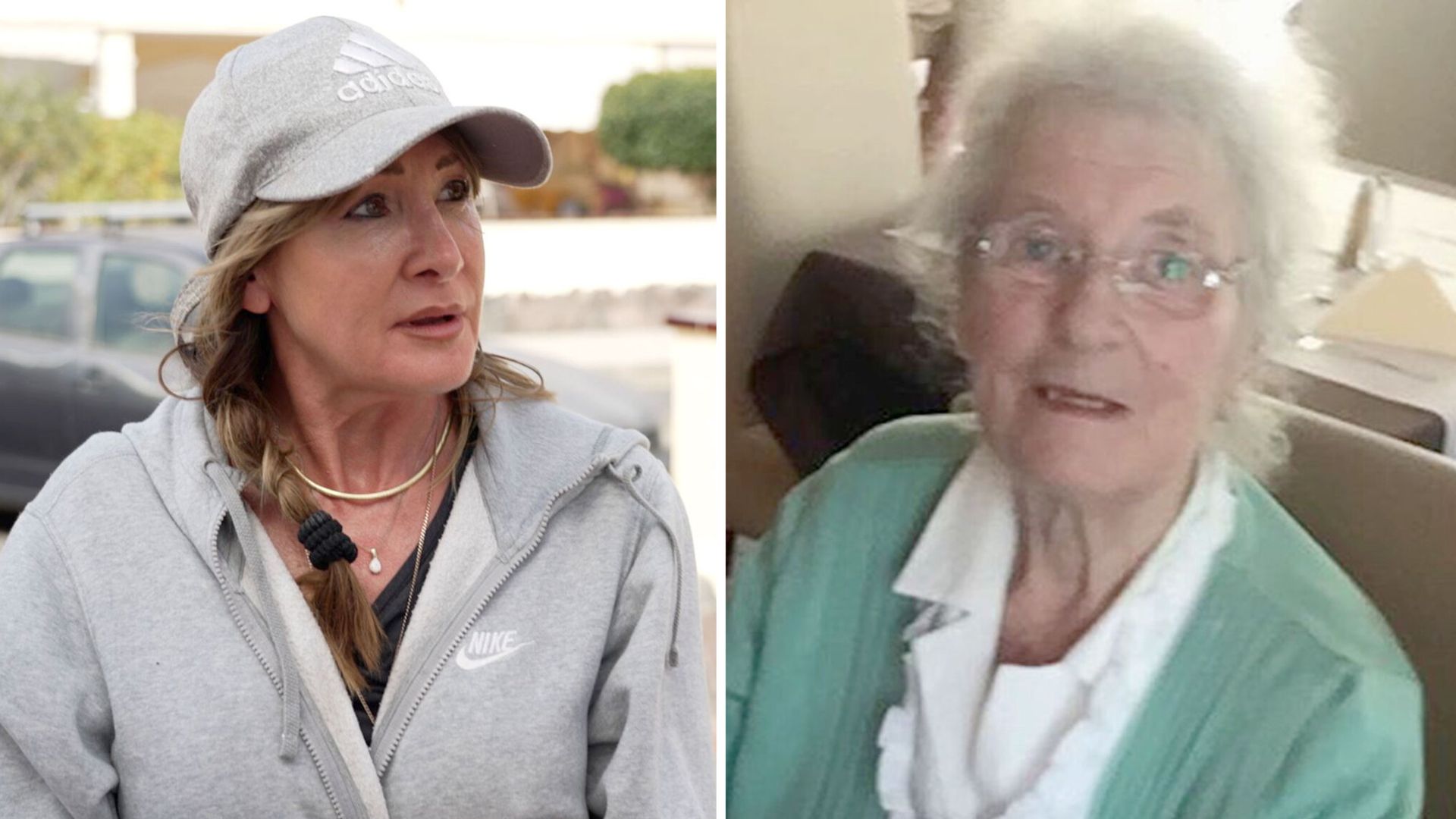
The theft of £300,000 from a vulnerable pensioner is more than a simple story of a greedy fraudster. It is a indictment of a financial and legal system that remains remarkably easy to manipulate. When a trusted individual decides to drain a lifetime of savings to fund aesthetic procedures and luxury dining, the crime doesn't happen in a vacuum. It happens because of specific, identifiable gaps in how we monitor the movement of wealth within the aging population.
This isn't just about a woman who spent stolen money on fillers. It is about how the mechanisms meant to protect the elderly—from banks to power of attorney laws—are failing at a fundamental level.
The Mechanics of Financial Grooming
Fraud of this magnitude rarely starts with a massive withdrawal. It begins with the slow erosion of boundaries. In cases involving six-figure sums, the perpetrator usually spends months, if not years, positioning themselves as an indispensable part of the victim's life. This is financial grooming.
The "Botox Bandit" profile is a textbook example of social engineering. By assuming control over daily tasks—groceries, mail, bill payments—the predator creates a "black box" around the victim’s finances. Once family members or social services are frozen out, the actual theft becomes a matter of simple logistics.
Banks are often the first line of defense, yet they are frequently the weakest. High-street banks use algorithms designed to flag unusual activity, but these systems are notoriously poor at catching "slow-drip" fraud. If a caretaker increases their "allowance" by small increments over two years, the automated flags may never trip. By the time the total hits £300,000, the money is long gone, converted into non-recoverable assets like expensive meals and cosmetic enhancements.
The Luxury Liquidation Loophole
One of the most frustrating aspects for investigators in these cases is the "lifestyle burn." Unlike corporate embezzlers who might hide money in offshore accounts or real estate, individuals who steal for vanity and status spend the cash almost as fast as they take it.
Botox, fillers, and high-end restaurant bills represent a specific type of untraceable "asset." You cannot repossess a forehead. You cannot claw back a Michelin-starred dinner once it has been consumed. This creates a massive hurdle for victim restitution. When the police finally track down the perpetrator, the bank accounts are often empty. The victim is left with a judgment for hundreds of thousands of pounds against a person who owns nothing but the designer clothes on their back and a surgically enhanced face.
Power of Attorney as a Weapon
The legal instrument meant to be a shield is increasingly being used as a sword. Lasting Power of Attorney (LPA) is a vital tool for the elderly, but the vetting process is dangerously thin. In many jurisdictions, getting an LPA registered requires little more than a few signatures and a modest fee.
There is no mandatory, ongoing audit of how an attorney-in-fact spends a donor's money. Unless a third party raises a red flag with the Office of the Public Guardian, a fraudster can act with total autonomy. This lack of oversight is a policy choice, intended to make the system accessible, but it has created an environment where the fox is quite literally given the keys to the hen house.
We need a tiered system. For estates over a certain value, or for individuals with diagnosed cognitive decline, there should be a requirement for annual account summaries to be reviewed by an independent party. The privacy of the individual must be balanced against the very real risk of total financial ruin.
The Psychology of the Vanity Thief
Why Botox? Why lavish meals?
For the perpetrator, these expenditures are often about more than just looking good. They are about the performance of wealth. In many of these investigative files, we see a pattern of "status signaling." The thief isn't just stealing to survive; they are stealing to inhabit a social class they feel they deserve.
This psychological component makes them particularly dangerous. Because they feel entitled to the lifestyle, they rarely feel the crushing weight of guilt that might stop a first-time offender. They view the victim’s savings as an untapped resource rather than a person's life blood.
The Digital Shadow and the Hunt
Tracking down a fraudster who has gone to ground requires a mix of old-school surveillance and modern digital forensics. In this specific case, the trail wasn't just left in bank statements. It was left in the booking systems of clinics and the social media tags of high-end establishments.
Perpetrators who spend stolen money on luxury items are usually unable to resist the urge to document that luxury. The very vanity that drives the theft often becomes the tool of their undoing. Investigators now routinely monitor "lifestyle markers"—sudden changes in social media activity, new memberships at exclusive clubs, or frequent visits to aesthetics practitioners—to build a map of where the money went and where the suspect is hiding.
Beyond the Prosecution
Putting a thief in jail solves only half the problem. The £300,000 is still gone. The victim, often in the final years of their life, is left in a state of "financial bereavement." This isn't just about the loss of money; it's the loss of autonomy, the loss of the ability to pay for quality care, and the devastating realization that a person they trusted was a parasite.
The state’s focus is almost always on the criminal trial, but the real work should be on prevention and recovery. We need stricter regulations on "caregiver" access to accounts and more robust training for bank staff to recognize the signs of elder financial abuse. It isn't enough to catch the thief after the Botox has settled.
Hardening the Target
If you are a family member or a professional overseeing the affairs of an elderly individual, you must move beyond "trust" as a strategy. Trust is a feeling; oversight is a process.
- Dual Signatories: For large transfers, ensure that no single person has total control.
- External Audits: Have a neutral third party—an accountant or a different family member—review bank statements quarterly.
- Notification Alerts: Set up banking alerts for any transaction over a certain threshold (e.g., £500).
- The "Aesthetics" Red Flag: If a caregiver with a modest income suddenly appears with significant cosmetic work or a new wardrobe, don't ignore it. It is often the first visible sign of a deep financial wound.
The system is currently weighted in favor of the predator. Until we bridge the gap between financial privacy and protective oversight, the stories of the "Botox Bandits" will continue to populate the headlines while the victims suffer in silence.
Ask your local council or bank what specific protocols they have for "third-party access" monitoring for the elderly. If the answer is vague, the risk is high.