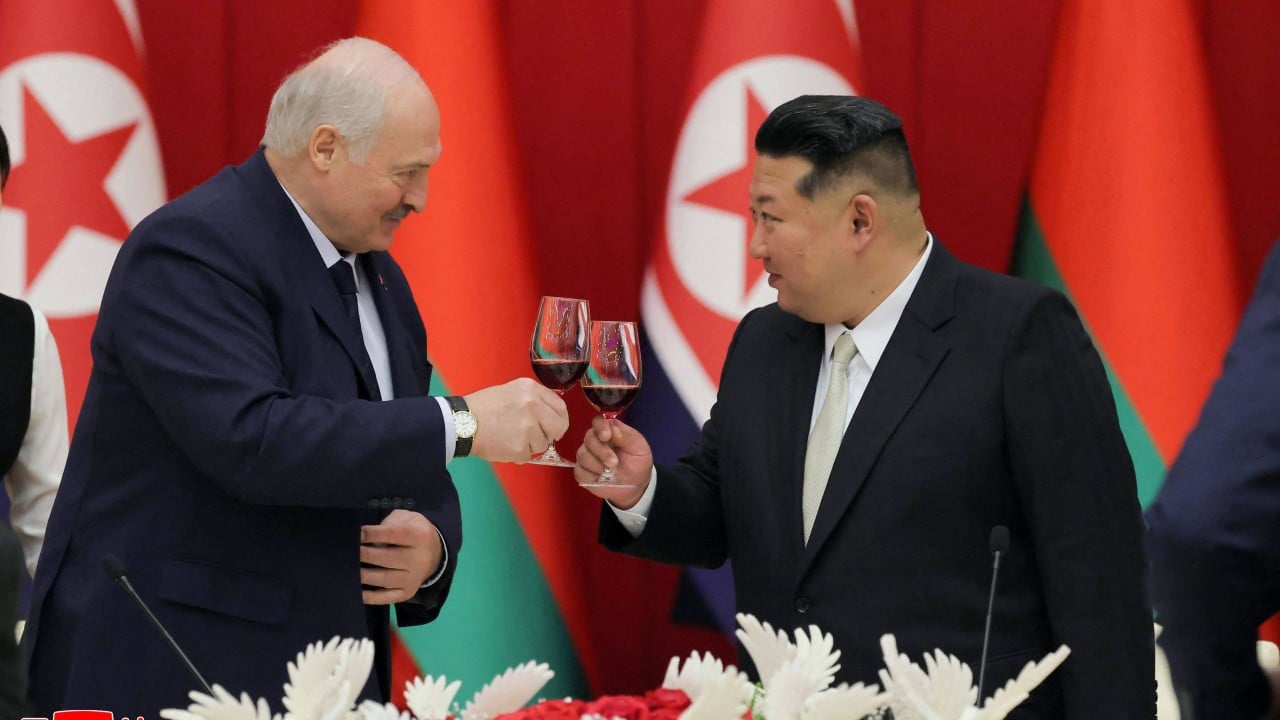
Alexander Lukashenko just did something no Belarusian leader has ever done. He touched down in Pyongyang for a two-day spectacle that ended with a "friendship and cooperation" treaty. If you think this is just two guys in suits shaking hands for the cameras, you’re missing the bigger picture. This isn't just a random diplomatic meeting. It’s a loud, clear signal that the world is splitting into two very different camps, and these two are doubling down on their side.
I've watched these geopolitical shifts for years, and this one feels different. It’s gritty. It’s desperate. And it’s incredibly calculated.
A New Era for the Outsiders
When Lukashenko and Kim Jong Un met on Thursday, March 26, 2026, the optics were exactly what you’d expect from two leaders who love a good show. Artillery salutes, goose-stepping soldiers, and a massive crowd at Kim Il Sung Square. But look past the ceremony. Lukashenko isn't just visiting an old Soviet-era buddy. He’s looking for a lifeline.
The treaty they signed is supposed to be the "legal foundation" for their future. Lukashenko said ties are entering a "fundamentally new phase." Honestly, that's code for "we’re both stuck in the same boat, so we might as well row together." Both countries are buried under Western sanctions. Both are essentially pariahs in the eyes of the U.S. and its allies. By signing this, they aren't just agreeing to trade tractors for ginseng—they’re building a wall against Western influence.
What’s Actually in the Deal
They didn't just sign one piece of paper. They signed about ten agreements. We’re talking about cooperation in:
- Agriculture: Belarus has the tech; North Korea has the need.
- Healthcare and Education: A way to swap experts without needing Western approval.
- Information Technology: This is the one to watch, especially regarding cyber capabilities.
- Direct Trade: Expect to see Belarusian pharmaceutical products and food moving into North Korea, while North Korean cosmetics and industrial goods head the other way.
Lukashenko even gave Kim a Belarusian-made assault rifle. His quote? "Just in case enemies show up." That tells you everything you need to know about the vibe of this meeting.
The Russian Factor
You can't talk about Belarus and North Korea without talking about Vladimir Putin. He’s the ghost at the table. Both Lukashenko and Kim have been instrumental in supporting Russia’s war in Ukraine. Belarus provided the launchpad; North Korea provided the shells and, more recently, thousands of soldiers.
Lukashenko even laid flowers at the Liberation Monument on behalf of Putin. It was a weird, secondary tribute that highlighted how much both men rely on Moscow. They're trying to create a "multipolar world," which is basically a fancy way of saying they want to break the U.S.-led global order.
Why This Should Worry You
This isn't just about two small countries getting cozy. It’s about the formation of a hardened "anti-West" bloc. When these countries cooperate, they bypass the global financial system. They share ways to evade sanctions. They trade military tech.
South Korea’s Unification Ministry hit the nail on the head. They said this visit aligns with Kim’s goal of a "multipolar world order." Kim has stopped talking to Washington. He’s done with the "denuclearization" talk. Instead, he’s building a network of allies who don't care about his nuclear program.
The Trump Variable
Here’s the plot twist. While Lukashenko is hugging Kim, he’s also been playing nice with the Trump administration. Surprisingly, the U.S. recently eased some restrictions on Belarusian potash companies because of global fertilizer shortages. Lukashenko is trying to have it both ways. He wants the security of the Russia-North Korea axis, but he also wants to keep a door open to the West for economic survival.
It’s a dangerous game. North Korea is far more isolated than Belarus. By tying his brand to Kim so publicly, Lukashenko might find that those eased sanctions don't last long.
What Happens Next
Don't expect a sudden flood of North Korean goods in European shops. That's not how this works. Instead, watch for:
- Joint Military Exercises: Look for Belarusian and North Korean troops training together, possibly on Russian soil.
- Cyber Collaboration: Both nations have reason to improve their "defensive" (and offensive) digital capabilities.
- Labor Swaps: Don't be surprised if North Korean workers start showing up in Belarusian factories or construction sites to fill labor gaps caused by the war.
If you want to track how this affects the global balance, keep an eye on the next round of UN Security Council votes. You’ll see these two voting in lockstep more than ever. The "friendship" is real, but it's born out of necessity, not love.
Pay attention to trade data out of Minsk over the next six months. If pharmaceutical exports to Pyongyang spike, we’ll know the treaty is more than just paper. You should also watch how South Korea reacts; they’re the ones most likely to feel the heat from this new alliance.