The residents of San Gabriel Valley are currently engaged in a pathetic, one-sided skirmish against an enemy they don't even understand. They call them "little demons." They cry to local news outlets about "eye-biters" and "ankle-shredders." They demand the government spray something—anything—to make the itching stop.
They are missing the point entirely. For a more detailed analysis into this area, we suggest: this related article.
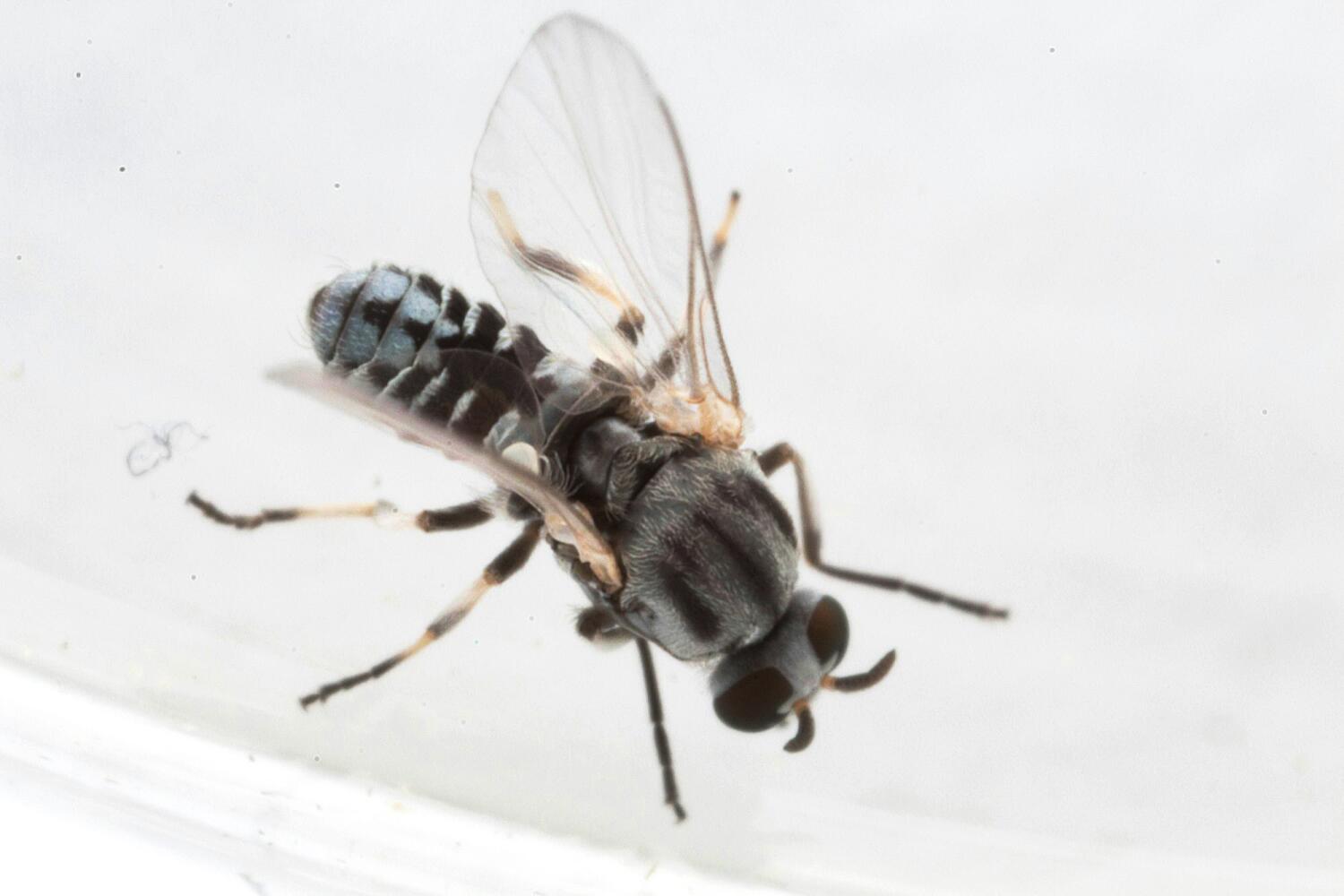
The surge of Simulium meridionale and its nasty cousins isn't some freak accident of nature or a failure of vector control. It is a biological tax. It is the cost of doing business in a suburban sprawl that has spent decades pretending it can dominate an ecosystem through sheer force of will. You aren't being "attacked" by flies; you are being audited by an environment you’ve spent forty years trying to pave over.
The Lazy Consensus Of The Victim Narrative
Most local coverage of the black fly "infestation" follows a tired, predictable script: For additional details on this topic, extensive analysis can be read on ELLE.
- Residents show off their welts for the camera.
- An official from the Greater Los Angeles County Vector Control District explains that black flies breed in running water.
- Everyone sighs and waits for winter.
This narrative is intellectually bankrupt. It treats the fly as an intruder. In reality, you are the intruder. We have engineered the perfect breeding ground for these insects by "beautifying" our landscapes with artificial runoff and constant irrigation, then we have the audacity to act shocked when the local fauna takes advantage of the buffet.
The black fly doesn't care about your backyard barbecue. It cares about protein for its eggs. If you’re standing there, sweating and exhaling carbon dioxide, you aren't a victim. You’re a resource.
Why Your "Solutions" Are Actually Accelerants
Stop buying the citronella candles. Throw away the "natural" peppermint sprays. These are the equivalent of bringing a toothpick to a gunfight.
Black flies are visual hunters. They don't track you through a haze of lavender oil like a confused mosquito. They see the silhouette of your body against the horizon. They feel the heat signature of your skin. They are evolutionarily programmed to find the softest tissue—the eyelids, the ears, the neck—and slice it open with saw-like mandibles to lap up the pool of blood.
When you demand wide-scale pesticide spraying, you are proving your ignorance of basic entomology. Black fly larvae thrive in moving water. They latch onto rocks and vegetation in streams. Spraying a neighborhood doesn't touch the source; it just kills the dragonflies and spiders that might actually have a chance at keeping the population in check.
You are literally killing the only allies you have because you want a quick fix that doesn't exist.
The Suburban Hydrology Myth
We love to blame the "nature" of the San Gabriel River or local creeks. But let’s look at the data we usually ignore. Urban runoff is the primary driver of these population spikes.
In a natural cycle, streams might dry up or flow sporadically. In a suburban nightmare, we keep the water flowing 365 days a year. Every time you over-water your lawn and that "clear" water runs down the gutter and into a storm drain or a concrete channel, you are building a nursery for Simulium.
We have created permanent, high-oxygen, nutrient-rich waterways where there used to be seasonal washes. We built a black fly paradise and now we’re complaining about the neighbors.
How To Actually Exist In This Reality
If you want to stop getting bitten, stop acting like a target.
Abandon the Aesthetics of the 1950s
If you have a fountain, turn it off. If you have a decorative "stream" in your garden, you are the problem. You are subsidizing the very "demons" you claim to hate.Visual Camouflage Over Chemical Warfare
Since black flies hunt by sight, your neon-colored running gear is a neon sign for "Dinner." Wear light, neutral colors. Whites and tans disappear in their visual spectrum. Dark blues and blacks make you a high-contrast target.The Physics Of Flight
Black flies are weak fliers. They can’t handle a stiff breeze. Instead of wishing for a city-wide chemical fogging, buy a high-velocity floor fan for your patio. It creates a "no-fly zone" that no amount of $20 "organic" spray can match. It’s physics vs. biology. Physics wins every time.Accept The Biological Tax
There is no version of Southern California that involves zero bugs. We live in a Mediterranean climate that we have artificially turned into a humid, irrigated swamp. The welts on your ankles are the interest payments on your green lawn.
The Arrogance Of Vector Control
Local agencies are under immense pressure to "do something." But their hands are tied by the very people complaining.
The public demands "safe" environments but refuses to change the habits that cause the issues. We want the lush gardens of a tropical rainforest without the insects that come with them. It is a delusional, unsustainable expectation.
I’ve seen cities spend millions on larvicides only to have the population rebound in weeks because the underlying hydrology hasn't changed. You can pour money into the river, or you can admit that your lifestyle is the catalyst.
The Hard Truth About The "Eye-Biter"
People ask: "Why do they go for my eyes?"
The answer is brutally efficient. The skin around your eyes is thin. The blood vessels are close to the surface. The fly isn't being mean; it's being a professional. It is better at its job than you are at yours.
If you can't handle a 5-millimeter insect outsmarting your suburban defenses, the problem isn't the fly. The problem is your refusal to adapt to a world that doesn't care about your property values.
Stop whining. Put on a hat. Turn off the sprinklers.
Or keep bleeding. The flies don't mind either way.