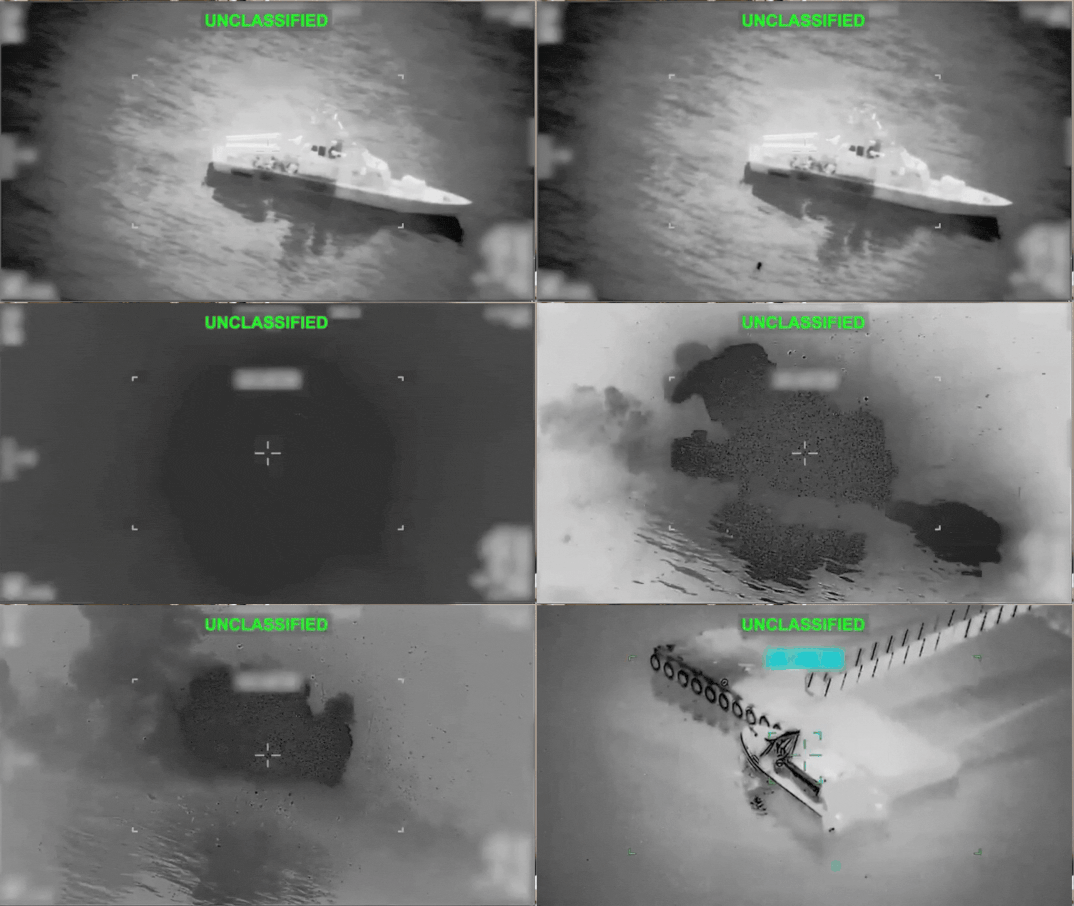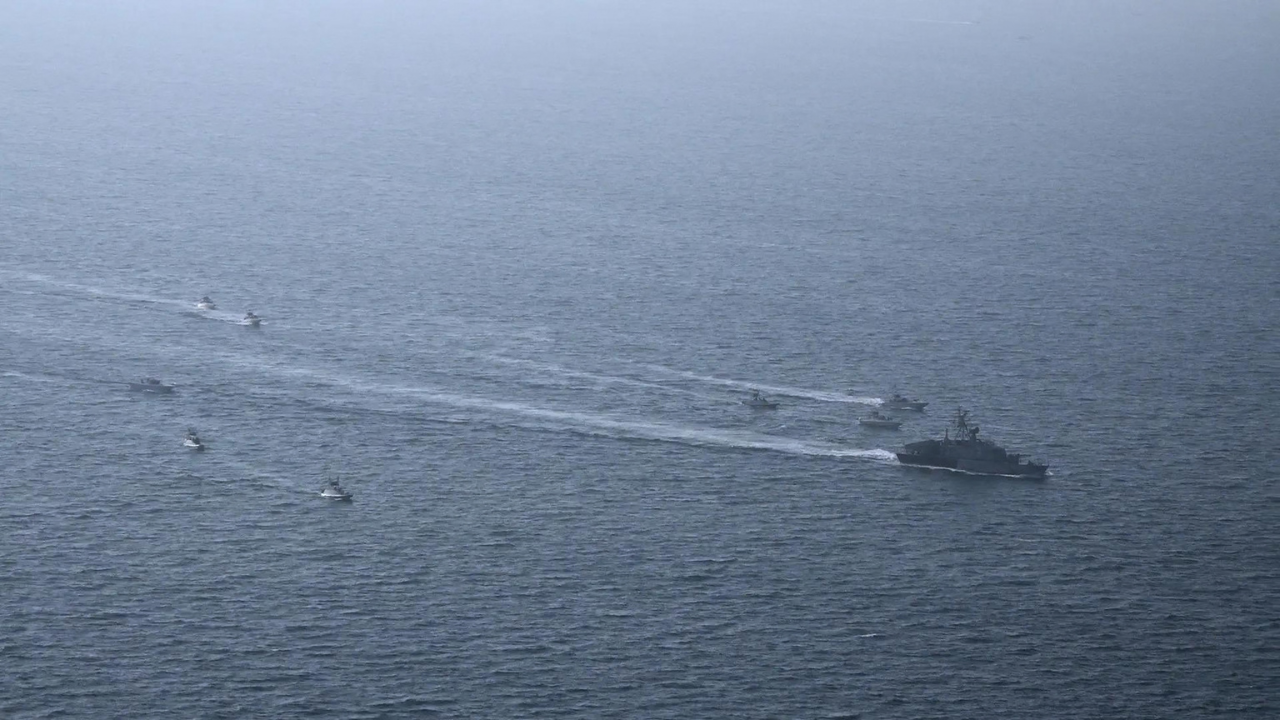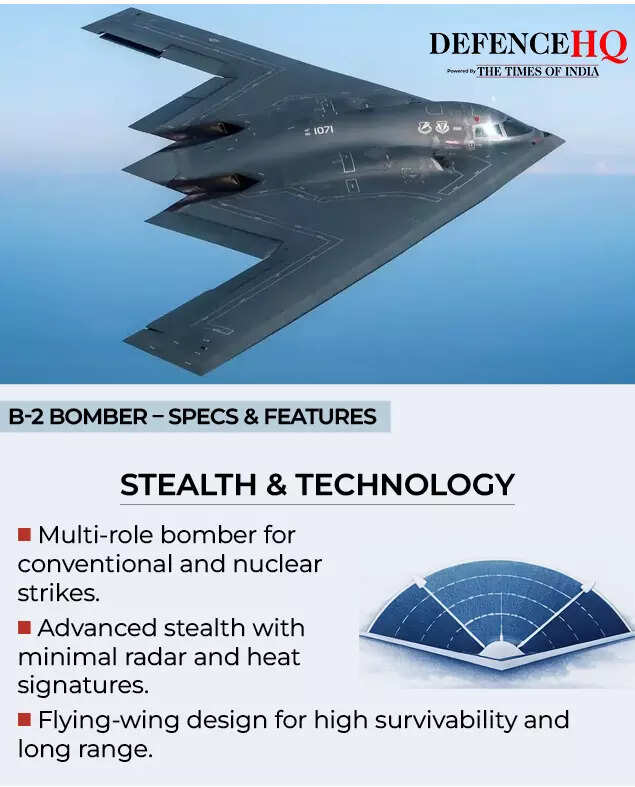
The recent strike on Iranian missile facilities wasn't just another flare-up in a long-standing shadow war. When the U.S. Air Force sends B-2 Spirit stealth bombers to fly halfway around the world and drop 2,000-pound munitions, it’s sending a specific, terrifying message to Tehran. Most tactical strikes in the Middle East involve drones or carrier-based F/A-18s. Those are predictable. A B-2 mission is different. It’s an apex predator coming out of the dark to hit targets that are supposedly unreachable.
This operation dismantled key production sites used for Iran’s ballistic missile program. We aren't talking about storage sheds. These were hardened facilities where the solid-fuel engines and guidance systems for long-range missiles are built. By hitting these specific nodes, the U.S. didn't just break some hardware; it reset the clock on Iran’s ability to threaten its neighbors. It's a massive blow to their regional leverage.
The logic behind the heavy metal approach
Military planners don't use a billion-dollar stealth bomber to do the job of a Tomahawk cruise missile unless they have a very good reason. The B-2 is the only aircraft in the world that combines extreme stealth with a massive payload capacity. It can carry the GBU-31 Joint Direct Attack Munition (JDAM), a 2,000-pound "bunker buster" that uses GPS guidance to hit a specific vent or door with terrifying precision.
When you're trying to take out an underground missile factory, a small drone strike just won't cut it. You need kinetic energy. You need the kind of weight that can collapse reinforced concrete ceilings and trigger secondary explosions of the volatile chemicals used in rocket propellant. This strike proves that even the most well-defended Iranian sites are vulnerable. If they can’t hide their production lines, their entire "deterrence" strategy starts to crumble.
Why this hit hurts Iran more than a standard raid
Iran’s military strategy relies heavily on its missile inventory. They know they can’t win a conventional air war against the U.S. or Israel, so they’ve poured billions into "asymmetric" weapons. Their missiles are their pride and joy. By targeting the production capabilities rather than just the launch pads, the U.S. hit the heart of the operation.
Think of it like this. If you blow up a car, the owner buys a new one. If you blow up the factory, the owner is out of luck for a long time. These facilities contain specialized machinery—much of it smuggled in past international sanctions—that is incredibly hard to replace. You can't just go to a hardware store and buy a high-precision mandrel for a solid-rocket motor. When those machines turn into scrap metal, the entire program halts.
The stealth factor and regional air defenses
One of the biggest takeaways here is the total failure of detection. Iran has invested heavily in Russian-made S-300 surface-to-air missile systems and their own indigenous versions like the Bavar-373. They claim these systems can spot stealth aircraft. This mission proved those claims are mostly talk.
The B-2s flew into contested airspace, dropped their payloads, and left without a scratch. This creates a massive psychological problem for the Iranian leadership. If they can’t see the bombers coming, they can’t protect their top-tier assets. It turns their entire defense network into a series of expensive paperweights. Honestly, it’s an embarrassing look for a regime that constantly brags about its "impenetrable" sky.
Measuring the impact on regional proxies
It’s not just about Tehran. This strike has massive ripples for groups like Hezbollah in Lebanon and the Houthis in Yemen. These groups depend on Iranian-made components to build their own rockets and drones. When the mother ship’s production line is down, the supply chain to the proxies dries up.
- Hezbollah loses its steady flow of precision-guidance kits.
- The Houthis find it harder to get the long-range engines needed to hit shipping in the Red Sea.
- The Iraqi militias see their patron weakened and less able to provide high-end tech.
Cutting off the head of the snake is a cliché, but in this case, it’s functionally accurate. The U.S. didn't just hit a target; it disrupted an entire network of regional instability.
The technical reality of 2000 pound bombs
Don't let the "2,000 pounds" number fool you into thinking this is just about "big" explosions. It’s about the physics of penetration. A GBU-31 V3 is designed specifically for "hard and deeply buried targets." It features a delayed-action fuse that allows the bomb to punch through several feet of dirt and concrete before detonating.
This ensures the energy of the blast is contained inside the structure, maximizing the internal damage. If you detonate on the surface, most of the energy goes up and out. By detonating inside, you ensure the overpressure kills everyone in the building and destroys every piece of sensitive equipment. It’s clinical, surgical, and absolutely devastating.
What this means for the nuclear conversation
While these strikes were officially about "missile production," the subtext is clearly about Iran’s nuclear ambitions. The B-2 is the primary delivery vehicle for the Massive Ordnance Penetrator (MOP), a 30,000-pound bomb designed to hit targets buried even deeper than these missile sites.
By using the B-2 for this mission, the U.S. is reminding Iran that the MOP is always an option. It’s a "show of force" that doesn't need to be shouted. The mere presence of the Spirit in the region says everything that needs to be said. If the U.S. can dismantle missile sites this easily, the underground enrichment facilities at Fordow and Natanz are clearly on the menu if things escalate further.
The logistics of a global strike
People often forget how difficult these missions are. A B-2 mission usually involves flying from Whiteman Air Force Base in Missouri, circling the globe, and returning home. That requires a complex "ballet" of mid-air refueling tankers stationed across multiple oceans.
It’s a feat of logistics that no other country can replicate. It proves that the U.S. can project power anywhere on the planet at a moment's notice. You aren't safe just because you're thousands of miles away from a U.S. base. The reach is total.
Practical steps for monitoring the fallout
The situation is moving fast. If you want to keep track of how this actually changes the map, stop looking at the fiery headlines and start looking at the satellite imagery and shipping data. That's where the real story lives.
- Watch for high-resolution satellite updates from firms like Maxar. They’ll show the "before and after" of these sites, revealing exactly how much of the infrastructure was leveled.
- Monitor Iranian state media for "accidental" fires or personnel changes. They often cover up the scale of the damage by claiming technical mishaps.
- Keep an eye on the Red Sea. If Houthi missile launches drop off in the coming months, you'll know the supply chain was hit even harder than officials are letting on.
- Track the movement of U.S. carrier strike groups. Their positioning will tell you if the Pentagon expects a retaliatory strike or if they believe the B-2s did enough to quiet things down.
The U.S. just proved that "unreachable" is a myth. For the Iranian military, the world just got a lot smaller and much more dangerous. They’ve spent decades building a shield, and the B-2 just walked right through it. Stay tuned to the actual damage assessments—the smoke is clearing, and the reality for Tehran looks pretty grim.