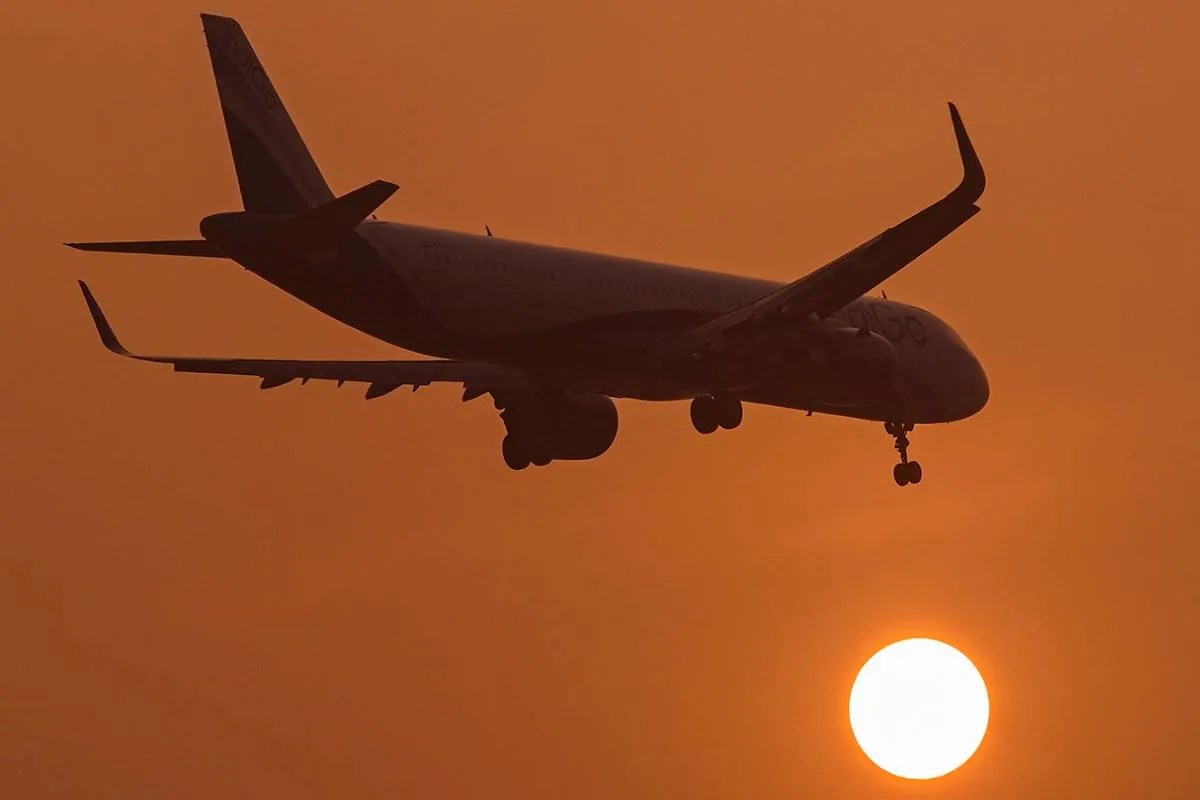
The headlines are predictably frantic. Airlines are scrubbing flights to Tehran, Tel Aviv, and Amman as if the sky itself is falling. The standard industry narrative—the "lazy consensus" pushed by risk-averse consultants and cable news talking heads—is that we are witnessing a logistical catastrophe. They call it a "shutdown." They call it "unprecedented instability."
They are wrong.
What we are actually seeing is the ultimate stress test of a global aviation system that has spent thirty years perfecting the art of the detour. The idea that a regional skirmish "halts" global travel is a relic of the 1970s. Today, the diversion is the product. The fear isn't about safety; it's about the bottom line, and the industry is lying to you about which one matters more.
The Myth of the Grounded Fleet
When a strike hits and NOTAMs (Notices to Air Missions) start flying, the public sees a map of "closed" airspace and assumes the gears of global commerce have seized. They haven't.
Modern flight planning is no longer a straight line from point A to point B. It is a real-time algorithmic auction. I have watched dispatch teams in Dubai and Doha reroute forty wide-body jets in under twenty minutes. The "interruption" isn't a failure of the system; it’s the system’s primary function.
Airlines aren't canceling flights because they’re afraid of being shot down. They’re canceling because the insurance premiums for a three-hour window of "war risk" coverage spiked 400% in ten minutes.
It is a financial decision disguised as a humanitarian one. If an airline tells you they are "prioritizing passenger safety" by canceling a flight to Beirut, check their fuel hedging and their war-risk hull insurance. Usually, the math simply stopped making sense the moment the first drone launched. Safety is the convenient excuse for an unclickable profit margin.
Why Your "Direct" Flight is a Lie
The travel industry loves to sell the dream of the "seamless" global village. But the geography of the Middle East is the world’s most expensive bottleneck.
- The Fuel Tax: Rerouting around Iranian or Israeli airspace adds anywhere from 45 to 90 minutes to a long-haul flight between Europe and Southeast Asia.
- The Carbon Contradiction: Every airline CEO with a PR department talks about "Net Zero." Yet, the moment a regional flare-up occurs, those same airlines burn an extra 15,000kg of fuel per flight to skirt a border.
- The Crew Clock: This is the invisible killer. FAA and EASA regulations on crew duty hours are rigid. A 60-minute detour doesn't just cost fuel; it triggers a "timed out" crew, leading to a cascade of cancellations that has nothing to do with missiles and everything to do with labor laws.
If you are asking "When will the flights resume?", you are asking the wrong question. You should be asking "Why is the global economy still reliant on a five-hundred-mile strip of desert that has been a kinetic zone for eight decades?"
The "status quo" is a state of perpetual detour. Stop waiting for "normalcy" to return. This is the baseline.
The Illusion of Proportional Risk
The "Factbox" reporting you see elsewhere treats all airspace closures as equal. This is amateur hour.
There is a massive difference between Active Airspace Closure (state-mandated) and Operational Avoidance (airline-mandated). When the U.S. or Israel strikes a target in Iran, the Iranian CAO (Civil Aviation Organization) might keep the corridors open to maintain a sense of bravado. It’s the Western carriers that pull out first, not because the risk of a "stray missile" is high, but because the litigation risk in a Western court is infinite.
The Litmus Test of Risk
Look at who is still flying. When British Airways and Lufthansa flee, but Qatar Airways and Emirates keep the wheels turning, you aren't seeing a difference in "bravery." You are seeing a difference in state-backed indemnity.
I’ve sat in boardrooms where the decision to cancel wasn't based on intelligence briefings, but on a "brand sentiment" analysis. If a competitor cancels and you don't, and something goes wrong, you are legally liable for "gross negligence." If you cancel because everyone else did, you’re just a victim of circumstance. It’s a herd mentality that costs the global economy billions in lost man-hours, and we accept it as "safety."
The "Stranded Passenger" Narrative is Overblown
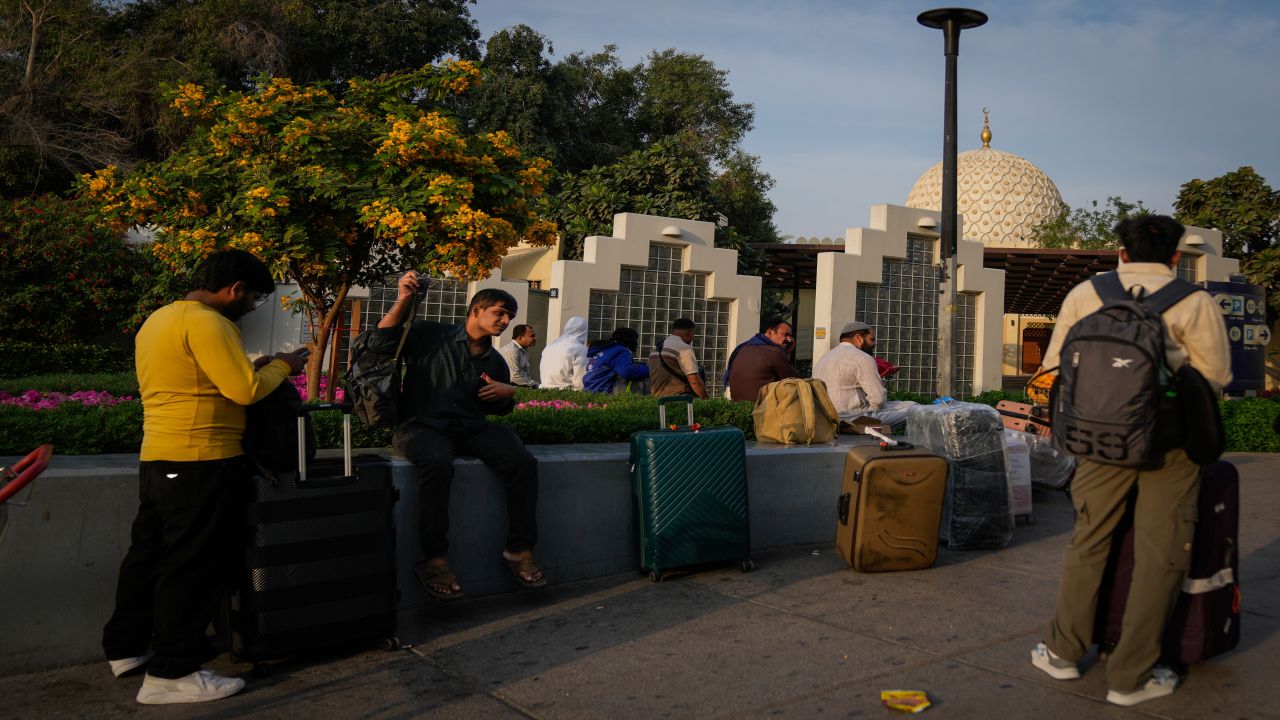
Whenever these strikes happen, the media hunts for the weeping tourist in the terminal. It’s a tired trope.
In the 2026 reality of aviation, "stranded" is a choice. We have the digital infrastructure to re-accommodate 50,000 people in a heartbeat. The reason they stay in the terminal is that the legacy carriers—the ones the media loves to defend—refuse to play nice with their competitors' booking systems.
- The Problem: Interline agreements are stuck in the dark ages.
- The Reality: There are empty seats on a dozen flights leaving the same hub, but because they belong to a different "alliance," you’re sleeping on a linoleum floor.
Don't blame the geopolitical strike for your night on a terminal bench. Blame the protectionist anti-consumer "alliances" that prioritize corporate silos over actual transportation.
Stop Checking the Map, Check the Yield
If you want to know when the Middle East "opens" again, don't watch the news. Watch the ticket prices for London to Singapore.
When the prices drop, the risk is gone. Why? Because the airlines have found a way to squeeze the extra fuel cost out of the supply chain without scaring off the passengers.
The industry thrives on this volatility. It allows for "emergency surcharges" that rarely disappear once the "emergency" ends. We saw it with the 2022 fuel spikes, and we see it every time a radar station in Isfahan gets blinked out.
The Brutal Truth About "Stability"
We are told that aviation requires stability to function. I argue the opposite. The modern aviation industry is built for chaos. It is the only way to justify the current pricing models.
Imagine a world where the Middle East was perfectly peaceful. Airspace would be a commodity. Routes would be optimized. Prices would crater. The "risk premium" is the only thing keeping many of these legacy carriers from a race to the bottom that they would lose to the budget giants.
The next time you see a "Factbox" detailing flight halts, don't mourn the lost flights. Recognize the theater for what it is. It's a massive, coordinated exercise in price-propping and liability-shifting.
The sky isn't closed. It’s just more expensive today.
Get used to it. The "detour" is the new direct.