You’ve probably seen the headlines about rising petrol prices, but the situation is far more precarious than a few extra cents at the bowser. Fatih Birol, the executive director of the International Energy Agency (IEA), just stood before the National Press Club in Canberra and delivered a reality check that should make every Australian sit up. We aren't just looking at a "tight" market. We're staring down the barrel of an energy shock that combines the worst of the 1973 and 1979 oil crises with the recent gas collapse sparked by the war in Ukraine.
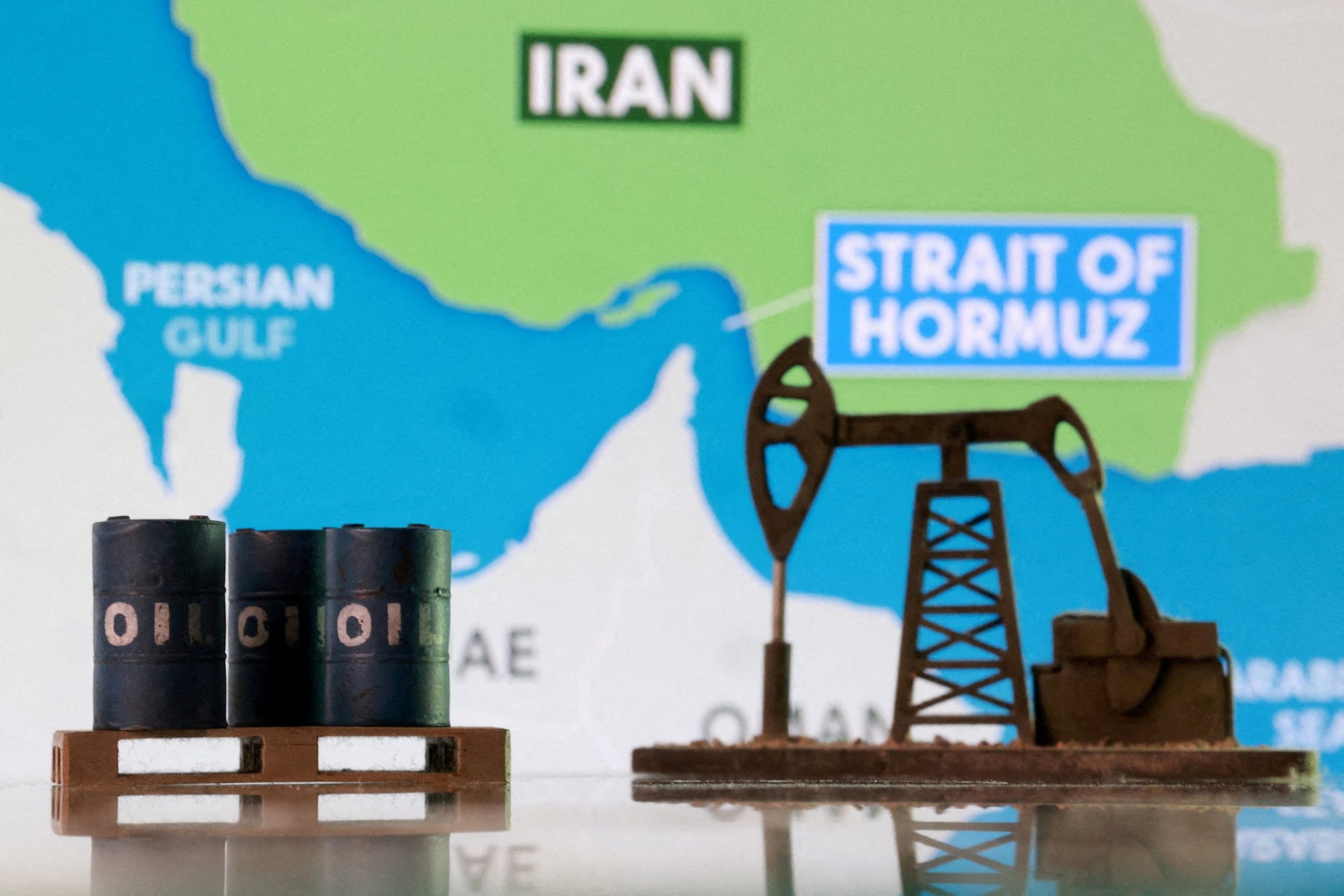
Honestly, the numbers are staggering. In each of those 1970s shocks, the world lost about 5 million barrels of oil per day. Today, because of the effective closure of the Strait of Hormuz, we’ve lost 11 million. That’s more than those two historic disasters put together. Throw in a doubling of the gas supply loss compared to the 2022 Russian invasion, and you have what Birol calls the "greatest global energy security threat in history." You might also find this similar article useful: Strategic Asymmetry and the Kinetic Deconstruction of Iranian Integrated Air Defense.
Australia’s 90-day Problem is a National Risk
The most uncomfortable part of Birol’s visit wasn't the global data—it was how it highlights Australia’s specific fragility. Every IEA member is supposed to hold 90 days’ worth of net oil imports in reserve. Australia hasn't hit that target since 2012. While most developed nations sit on an average of 140 days, we’re scrambling with roughly 30 to 36 days of petrol and even less for diesel.
It’s easy to blame the current government, but this is a decade-long failure of planning. We’ve watched our domestic refining capacity vanish. In 2000, we had eight refineries supplying 98% of our needs. Today, we have two. We import 90% of our refined fuel from places like South Korea and Singapore. But here’s the kicker: those refineries depend on crude oil from the Middle East. If the Strait of Hormuz stays blocked, those "reliable" partners in Asia run dry too. As extensively documented in detailed coverage by TIME, the results are widespread.
Why This Hits Your Wallet Harder
The IEA chief was direct about the "vital arteries" of the economy. This isn't just about whether you can afford a weekend road trip. High oil prices feed into everything. Fertilisers and petrochemicals rely on these inputs. When oil stays above $100 a barrel—as it has recently—it drives up the cost of farming and trucking.
The Economic Fallout
- Inflation Spikes: Petrol prices in Australia rose 30% in March alone, which could add a full percentage point to the headline CPI.
- Interest Rates: The Reserve Bank of Australia (RBA) is already watching inflation like a hawk. If energy costs stay high, those hoped-for rate cuts aren't coming; in fact, markets are now pricing in further hikes by the end of 2026.
- Recession Risks: If oil prices sustain at these levels for three to six months, economists warn we could be tipped into a genuine recession.
The IEA’s Emergency Playbook
The IEA hasn't just been talking. They’ve coordinated a massive release of 426 million barrels of oil from global reserves—the largest in the agency's history. Australia’s contribution was a modest 4.8 million barrels, reflecting our thin stocks. While this move helped push prices down temporarily, it's a band-aid on a gaping wound.
Birol’s advice for the immediate future is practical, if a bit grim. He suggests governments encourage working from home, reducing speed limits, and cutting back on air travel to save fuel. These aren't just "green" ideas; they're survival tactics for an economy that can't guarantee its own supply.
What You Can Do Right Now
Don't wait for the government to build $20 billion worth of storage tanks that won't be ready for years.
- Audit Your Fuel Use: If your job allows it, push for more remote work days. Every commute you skip is fuel you don't have to buy at a premium.
- Review Your Transport: If you've been on the fence about an EV or even a hybrid, the math just changed. Electrification is no longer just about the climate; it's about not being held hostage by a maritime blockade 12,000 kilometers away.
- Watch the Spot Market: If you run a business, understand that independent fuel retailers who buy from the spot market are the first to feel the pinch. Contracts with major suppliers are safer for now, but localized shortages are already happening.
The era of cheap, reliable, "someone else's problem" energy is over for Australia. We’ve been warned by the world’s top energy watchdog that our current path is unsustainable. It's time to stop treating fuel security like a footnote and start treating it like the national emergency it clearly is.