Ten million dollars is a rounding error for a corporation like ATCO. In the high-stakes world of northern infrastructure, it is barely enough to cover the fuel costs for a single season of heavy hauling. Yet, the press is treating ATCO’s recent investment in the Gray’s Bay Port and Road Project as if it were a visionary leap into the future of Arctic sovereignty. It isn't. It is a defensive crouch disguised as a bold move.
The "lazy consensus" among analysts is that this project—a 227-kilometer road connecting a deep-water port on the Arctic Ocean to the Tibbitt-to-Contwoyto winter road—is the "missing link" for Canada’s North. They claim it will unlock mineral wealth, lower the cost of living for Nunavut residents, and secure our northern borders.
They are wrong.
This project is a relic of 20th-century industrial thinking being applied to a 21st-century climate and geopolitical reality. If you want to understand why northern development in Canada has stalled for fifty years, look no further than the flawed logic of Gray’s Bay.
The Infrastructure Trap
We have a romantic obsession with roads. In the south, roads represent freedom. In the Arctic, they represent a never-ending liability.
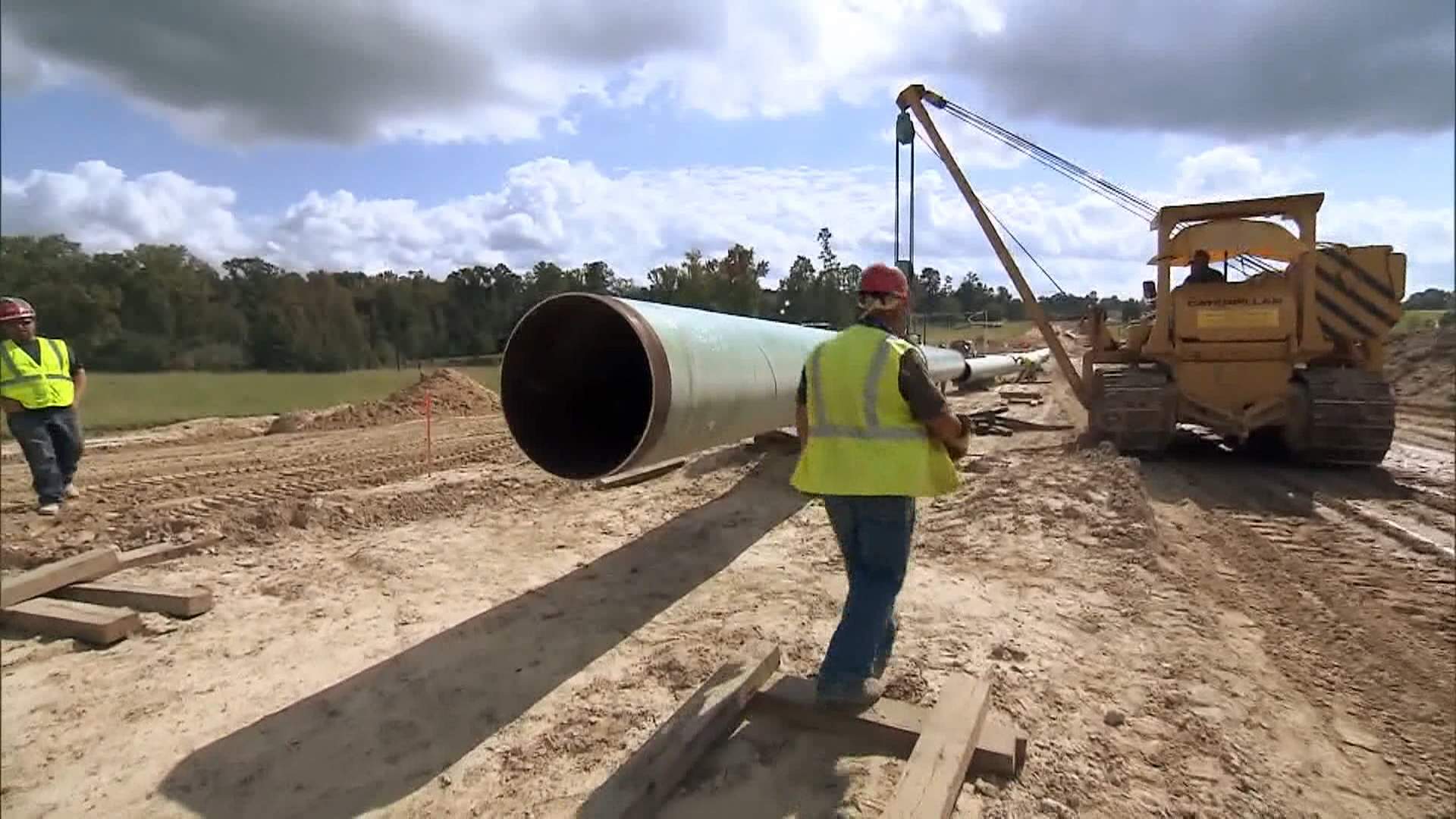
The Gray’s Bay project assumes that if you build a gravel path over 200 kilometers of sensitive tundra, the mining companies will magically appear to pay for its upkeep. I have seen this movie before. I’ve watched juniors and mid-tiers burn through hundreds of millions in venture capital on the promise of "imminent infrastructure" that never arrives because the math doesn't work.
The permafrost is not a static foundation; it is a moving, melting entity. Maintaining a heavy-haul road in the Slave Geological Province is not a one-time capital expense. It is a permanent drain on the treasury. Every spring thaw turns these "strategic assets" into soup. By the time the road is "finished," the environmental and maintenance costs will have ballooned to triple the original estimates.
The Sovereign Myth
Politicians love to wrap Arctic projects in the flag. They tell us that a port at Gray’s Bay is essential for Canadian sovereignty. This is a fundamental misunderstanding of how power is projected in 2026.
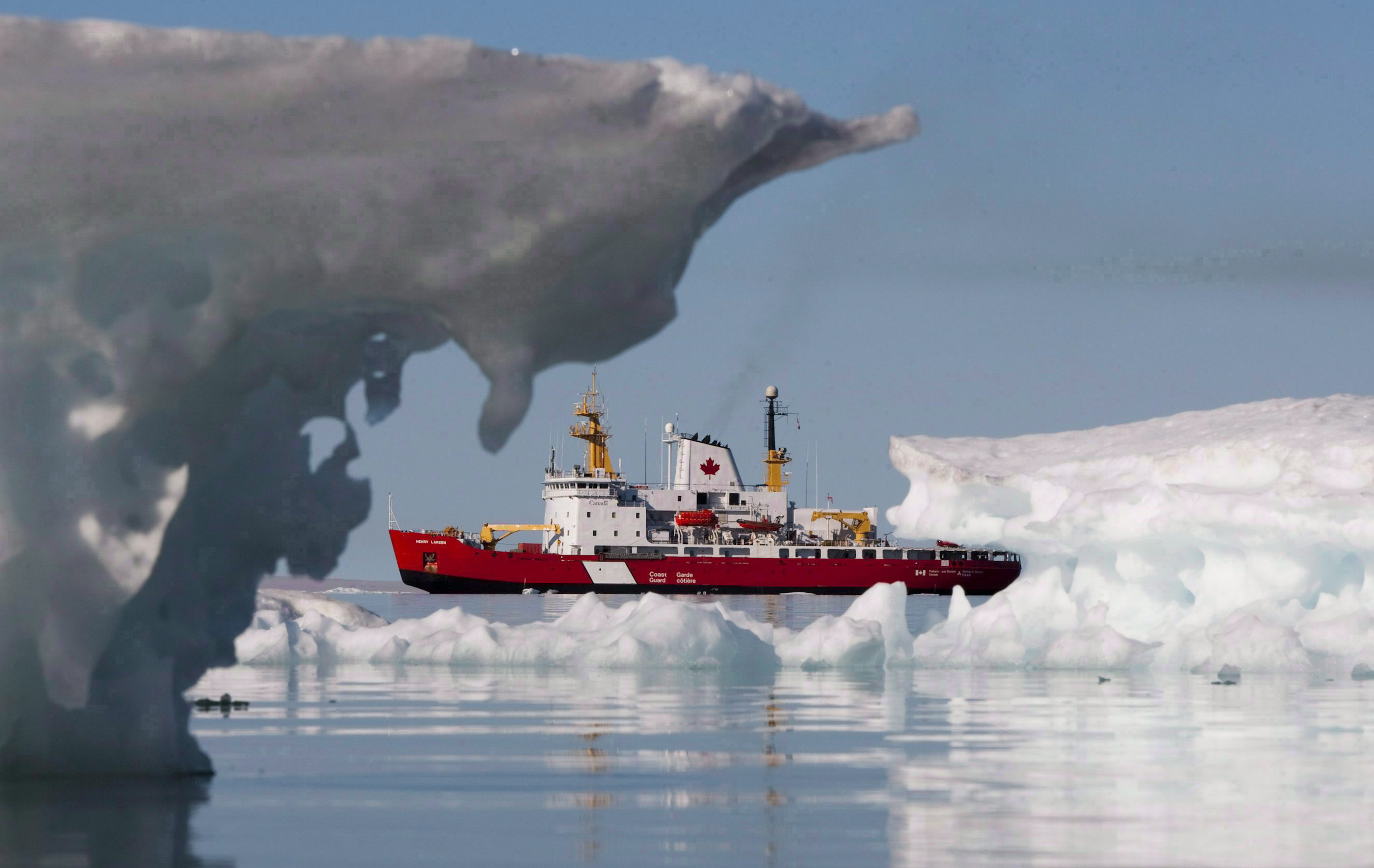
Sovereignty isn't a gravel road and a concrete pier that sits frozen for nine months of the year. Sovereignty is persistent presence, satellite surveillance, and ice-breaking capability. A static port at the end of a long, vulnerable road is a liability, not a fortress. If we actually cared about northern security, that $10 million—and the hundreds of millions in federal subsidies that will inevitably follow—would be better spent on autonomous sub-surface monitoring or heavy icebreaker fleet expansion.
Building a road to "claim" the land is 1870s logic. In a world of hypersonic missiles and polar-orbiting sensor webs, a truck route is a vanity project.
The Mining Mirage
The Gray’s Bay project is predicated on the idea that it will "unlock" the Izok Lake and High Lake deposits. These are zinc and copper plays.
Let's look at the brutal reality of the commodities market. Zinc and copper are essential, yes. But the cost of extraction in the Arctic—even with a road—is astronomical compared to projects in South America or Africa. To make Gray’s Bay viable, the price of copper doesn't just need to stay high; it needs to reach levels that would trigger a global shift toward substitutes.
Mining companies are not charities. They will not use your road if the "all-in sustaining cost" per pound of copper remains $1.50 higher than their Chilean counterparts. We are building a bridge to nowhere for minerals that the world might not be willing to pay the "Arctic Premium" to acquire.
What ATCO is Really Buying
If the math is so bad, why did ATCO put in the money?
It’s not about the road. It’s about the "Option Value."
For a company like ATCO, $10 million is the price of a seat at the table. It’s a low-cost hedge. If the federal government loses its mind and decides to sink $500 million into the project for "national interest" reasons, ATCO is already the preferred partner for the logistics, the camp services, and the power generation.
They aren't investing in a project; they are investing in a future government bailout.
This is the dirty secret of northern development: it is a subsidy-farming industry. The goal isn't to build a profitable business; it's to position yourself as the only viable contractor for when the Crown inevitably steps in to save a "nation-building" project from bankruptcy.
The Superior Path: Distributed, Not Linear
If we actually wanted to help the people of Nunavut and the Kitikmeot region, we would stop trying to build 19th-century linear infrastructure.
Instead of a $600 million road that benefits a handful of mining executives, we should be investing in:
- Airship Logistics: Modern, high-capacity hybrid airships don't require permafrost-destroying roads. They can move heavy equipment directly to site and take ore directly to deep-water ports further south.
- Modular Nuclear (SMRs): The real bottleneck in the north isn't transportation; it's the cost of energy. If you provide cheap, carbon-free power to a community, the cost of living drops instantly. A road just brings in more expensive diesel trucks.
- Digital Infrastructure: High-speed, low-latency satellite internet does more for northern sovereignty and economic development than a gravel road ever will. It enables remote surgery, high-level education, and a digital economy that isn't dependent on the price of zinc.
The Hard Truth About Gray’s Bay
Everyone is asking: "When will the road be built?"
The better question is: "Why are we still building roads?"
We are witnessing a sunk-cost fallacy on a continental scale. We have spent so many decades talking about the "Northern Corridor" that we have forgotten to check if the corridor still makes sense. The climate is changing too fast for traditional civil engineering to keep up. The geopolitical theater has moved to the high seas and the exosphere.
ATCO’s $10 million isn't a vote of confidence. It’s a ticket to the auction where the Canadian taxpayer will eventually be the highest bidder for a project that should have been scrapped ten years ago.
Stop celebrating the "investment." Start questioning the obsolescence.
If you want to lead in the Arctic, you don't build a road to the past. You build the technology that renders the road unnecessary.
Invest in the air. Invest in the atom. Leave the gravel to the history books.
The North doesn't need a driveway. It needs a future.
Build for the reality of 2050, or don't build at all.