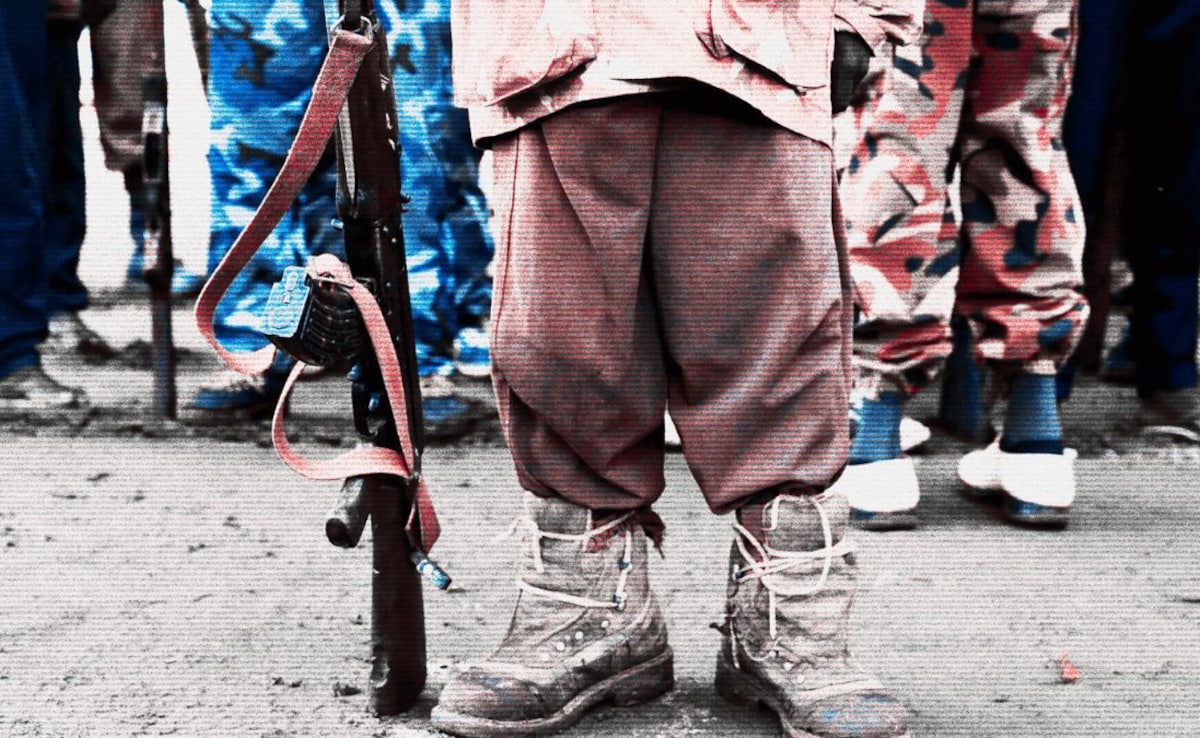
Terrorism isn't just a game for grizzled radicals in remote mountain hideouts anymore. It's moving into the bedrooms of suburban teenagers. Recent data from across Europe and North America reveals a chilling shift in who is being arrested for plotting mass violence. Minors now account for nearly 42% of terrorism-related cases in some Western jurisdictions. That’s almost half. These aren't just wayward kids acting out. They’re 13, 15, and 16-year-olds with blueprints for 3D-printed weapons and a digital footprint that leads straight to extremist hubs.
If you think this is a localized issue, you're mistaken. From the UK to Germany and across the Atlantic, security agencies are scrambling. They're finding that the age of radicalization has plummeted. We used to look for 25-year-old men with military training. Now, police are knocking on the doors of middle-schoolers who’ve never left their hometowns. This isn't a "phase." It’s a systemic failure of digital oversight and a masterclass in predatory grooming by extremist groups who know exactly how to exploit teenage angst.
Why the Kids are Not Alright
The internet changed everything, but we haven't caught up to how it changed recruitment. Radicalization used to happen in physical spaces—basements, backrooms, or specific community centers. Now, it's gamified. Extremist groups use platforms like Discord, Telegram, and even Roblox to find vulnerable kids. They don't start with ideology. They start with friendship. They offer a sense of belonging to a kid who feels bullied at school or disconnected from their parents.
The process is subtle. It begins with "edgy" memes. These jokes act as a low-barrier entry point. If a kid laughs at a meme that mocks a specific minority or glorifies a past attack, the recruiters move in. They use the same tactics as online predators. They isolate the child from their real-world support systems. They tell the kid that only "the brotherhood" or "the movement" truly understands them. By the time a parent notices their child is spending ten hours a day on an encrypted app, the ideological hook is already set deep.
The Data Behind the Trend
Look at the numbers from Europol and national security agencies like MI5. In the UK, the number of children under 18 arrested for terrorism offenses has hit record highs. In 2023 and 2024, the proportion of minors in these investigations surged. Germany reported similar trends, noting that the "Generation Z" and "Generation Alpha" cohorts are particularly susceptible to both far-right and Islamist extremism.
The breakdown of these cases shows a disturbing trend. It’s no longer just one type of hate. We’re seeing a "salad bar" of extremism. A teenager might mix neo-Nazi aesthetics with incel (involuntary celibate) rhetoric and a dash of eco-terrorism. They pick and choose what fits their personal grievances. This makes them incredibly hard to track because they don't fit the classic profiles that intelligence software was designed to flag ten years ago.
The Role of 3D Printing and Ghost Guns
We can't talk about teen terror without talking about the tech. In the past, a 15-year-old couldn't easily get a rifle. Today, they can download a file and print one. Security services have intercepted numerous plots where minors were in the process of manufacturing "ghost guns"—firearms with no serial numbers made from plastic and metal inserts.
This DIY approach to mass casualty events is a nightmare for law enforcement. You don't need a black-market contact when you have a Creality printer in your garage. Several recent arrests in Western Europe involved teenagers who had digitized manuals for explosives and 3D-printed components for submachine guns. They aren't just dreaming of violence; they're actively building the tools for it.
The Mental Health Component is Overlooked
Let's be real about the "why." Most of these kids aren't theological scholars or political theorists. They're lonely. A significant number of minors arrested on terror charges have diagnosed or undiagnosed neurodivergent conditions, such as ADHD or autism. Extremist recruiters specifically target these groups because they often struggle with social cues and are looking for clear-cut rules and a sense of identity.
The "angry young man" trope is evolving. The anger is often a mask for profound isolation. When an algorithm feeds a depressed teenager a steady diet of "the world is ending" or "your culture is being erased," it validates their internal misery. It gives their pain a target. Instead of dealing with their depression, they channel it into a "cause" that promises them glory or a place in history. We're medicalizing the symptoms while the internet radicalizes the person.
Spotting the Red Flags Before the Handcuffs
Parents and teachers are the first line of defense, but they're often looking for the wrong things. They're looking for sudden changes in dress or religious practice. While those can be signs, the digital red flags are more pressing.
- Sudden Secrecy: Using encrypted apps like Signal or Telegram exclusively and reacting with extreme aggression if someone asks who they're talking to.
- New Vocabulary: Using specific slang or acronyms associated with extremist subcultures (e.g., terms from the "manosphere" or specific white nationalist codes).
- Isolation: Cutting off long-term friends in favor of "online-only" friends who seem to consume all their time.
- Obsession with Weapons: Not just an interest in history, but a fixated study of weapon schematics, tactical gear, or past mass shooters.
The Policy Gap
Governments are failing here. Most counter-terrorism laws were written for adults. When you arrest a 14-year-old, the legal system doesn't know what to do. Do you put them in a high-security prison where they'll actually become more radicalized by older inmates? Or do you put them in a social services system that isn't equipped to handle a kid who knows how to build a pipe bomb?
There is a desperate need for specialized deradicalization programs for minors. These programs need to focus on media literacy and mental health rather than just "re-education." We need to teach kids how algorithms work—how they're being manipulated for profit and for hate. If a kid realizes they're being played by a recruiter who is actually a 40-year-old manipulator, the "cool" factor of the movement often evaporates.
The reality is that we're losing a generation to digital rabbit holes. The 42% statistic isn't just a data point; it's a warning that the front line of national security is now the family living room. Waiting for the police to intervene is a losing strategy. By that time, the damage is done.
Start looking at what your kids are doing online. Not just "the internet," but the specific communities they inhabit. Ask questions about the memes they share. If something feels off, it probably is. The goal isn't to be a "nanny state" parent, but to be an active barrier between your child and a recruiter who views them as a disposable pawn. Check the browser history. Monitor the Discord servers. It's not an invasion of privacy; it's a necessity in an era where the next major threat might be sitting at your dinner table.


