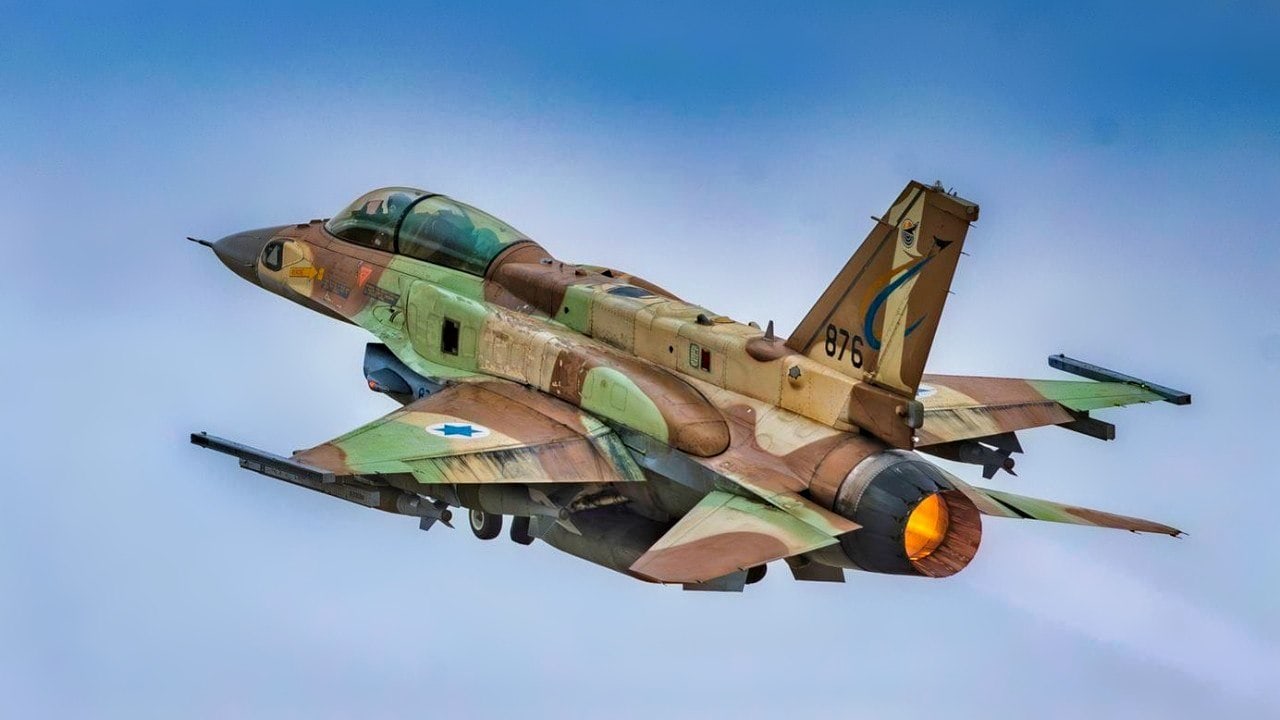
Israel and the United States have spent the last month turning Iran’s military infrastructure into a graveyard of twisted metal. Between the June 2025 "12-Day War" and the current "Operation Roaring Lion," the numbers are staggering. We’re talking about over 18,000 combined strikes. The Iranian air defense system is basically non-existent, and roughly 70% of their missile launchers are gone. But if you think a few more weeks of precision bombing will suddenly turn Tehran into a pro-Western democracy, you haven’t been paying attention to how these regimes actually work.
The uncomfortable truth coming out of the Israeli Defense Forces (IDF) right now isn't one of total triumph. Instead, senior military sources are quietly admitting that while they can break the regime's toys, they can't necessarily break its grip on the people. Military degradation is a science; regime change is a messy, unpredictable art form.
The Repression Machine Is Built to Survive
It’s easy to look at a satellite photo of a destroyed missile silo and see victory. It’s much harder to dismantle the Basij militia or the internal security apparatus of the Intelligence Ministry. These aren't just military units; they're the glue holding the Islamic Republic together.
Recently, the IDF shifted its targeting strategy. They stopped focusing exclusively on leadership and silos and started hitting the "infrastructure of domestic repression." This includes command centers for the Internal Security Forces and even small-scale checkpoints designed to block protesters. The logic is simple. If you take away the regime’s ability to block a street or communicate with its riot squads, the people might finally find the courage to finish the job.
But here’s the problem. The Iranian public is exhausted. They're unarmed, unorganized, and facing a state that has spent 45 years perfecting the art of crushing dissent. Even with 10,000 strikes hitting IRGC bases, the "coercive backbone" of the state hasn't snapped yet. Honestly, expecting a civilian population to rush into the streets while cruise missiles are flying overhead is a huge gamble. Most people just want to find bread and a safe place to sleep.
The Nuclear Paradox
There’s a dangerous side effect to this campaign that most hawks don't want to discuss. By pushing the regime into a corner, we might be forcing them to "cross the Rubicon" on the nuclear issue.
Before the war, Iran was a threshold state. They had the uranium, but they hadn't put it in a warhead. Now, with Supreme Leader Ali Khamenei dead and his son Mojtaba potentially looking for a way to secure his legacy, the incentive to build a "dirty bomb" or a crude nuclear device is higher than ever.
- The Uranium Problem: Iran still holds over 440 kilograms of 60% enriched uranium. Most of it is buried so deep in places like Isfahan and Natanz that conventional airstrikes can't reach it without specialized "bunker buster" operations that haven't happened yet.
- The Desperation Factor: A regime that feels it's about to die has nothing to lose. If they can’t win a conventional war, they might decide that a small-scale nuclear deterrent is their only ticket to survival.
Former IDF intelligence heads, like Danny Citrinowicz, have pointed out this exact dilemma. Striking the regime weakens their conventional power but strengthens their resolve to go nuclear. It’s a classic catch-22.
What Real Change Actually Looks Like
If airstrikes won't do it, what will? History tells us that regimes like this don't fall because of external bombs; they fall because of internal rot and elite defection.
We need to see the regular military (the Artesh) turn against the Revolutionary Guard (IRGC). There are hints of this happening. Following the June 2025 conflict, the Artesh actually gained some influence as the IRGC’s reputation took a hit. But "gaining influence" isn't the same as "starting a coup." For a real collapse, you need a critical mass of security officers who decide they’d rather serve a new state than die for an old one.
Right now, the Biden-Trump transition and the aggressive stance of the Netanyahu government have created a vacuum. The psychological operations, like the hacking of the Bade Saba prayer app to send "Help has arrived" messages, are clever. But they aren't a substitute for a boots-on-the-ground opposition movement.
The military campaign has succeeded in one major goal: it has stripped Iran of its "Forward Defense" doctrine. Their proxies, like Hezbollah and the Assad regime, are in tatters. Iran is fighting alone for the first time in decades. That’s a massive strategic win for Israel. But don't mistake a weakened enemy for a defeated one.
If you're watching the headlines, don't just look at the casualty counts or the number of destroyed drones. Watch the Iranian streets. Watch for signs of the Artesh refusing to fire on civilians. Until the guys with the guns inside the country decide the game is up, the mullahs will stay in power, no matter how many buildings in Tehran are leveled.
You should keep a close eye on the 10-day pause in strikes recently mentioned by the White House. This window will tell us if the regime is ready to negotiate its own exit or if they're just using the time to move that uranium deeper into the mountains.