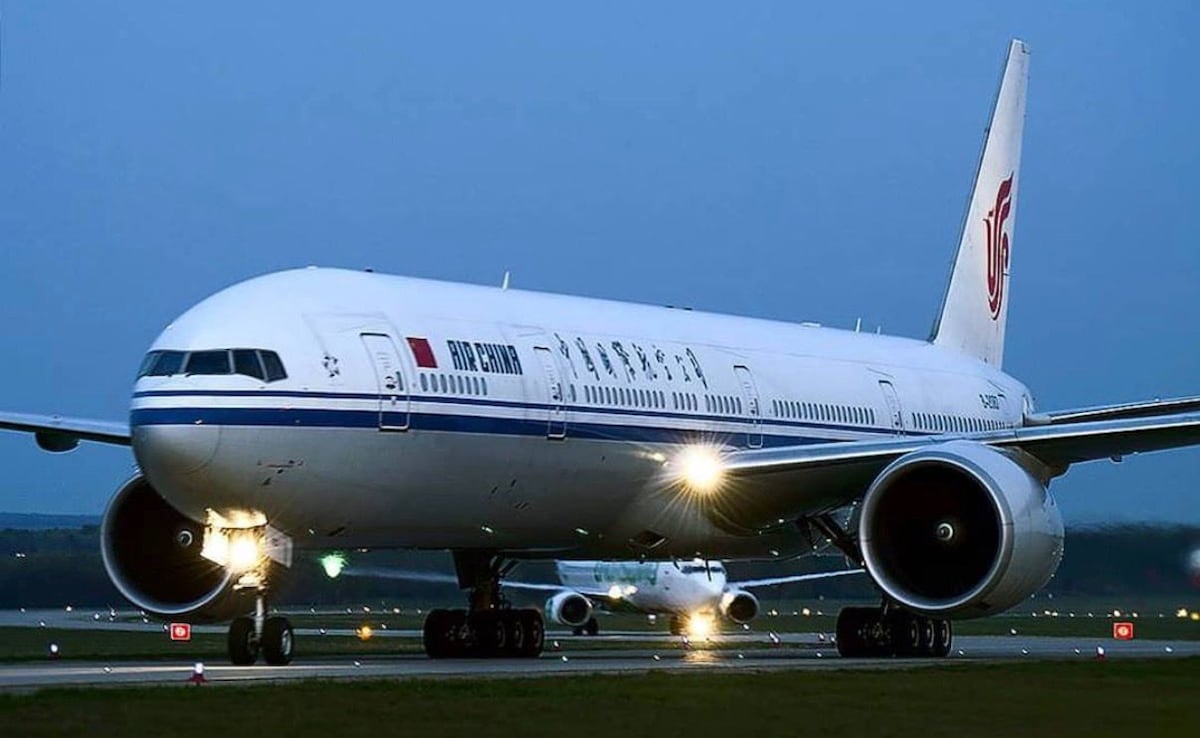
The sight of an Air China tail fin at Pyongyang’s Sunan International Airport isn't just a routine flight update. It’s a massive geopolitical signal. After a six-year hiatus that turned North Korea into one of the most isolated spots on the planet, the red-and-white jets are finally back. If you’ve been tracking the slow-motion reopening of the "Hermit Kingdom," this is the moment where things actually start to move.
Air China flight CA121 touched down in the North Korean capital recently, marking the first time a Chinese commercial carrier has operated the route since 2018. Before the world went into lockdown, this flight was the primary artery for business travelers, diplomats, and the handful of adventurous tourists allowed inside. Its return suggests that the strict border controls North Korea maintained long after everyone else moved on are finally crumbling.
Why the Air China return actually matters
Most people think this is just about aviation. It isn't. When Air Koryo—North Korea's state-owned airline—started flying to Beijing and Vladivostok last year, it was a one-sided affair. It felt like a test run. But Air China moving back in? That’s different. It shows a level of bilateral confidence that hasn't existed in years.
China remains North Korea’s biggest economic lifeline. By resuming these flights, Beijing is signaling that it’s ready to facilitate more than just essential cargo. We’re talking about the return of human capital. You don't send a Boeing 737 regularly if you don't have people to fill the seats. This move effectively ends the "fortress" era of the pandemic years.
The timing is also impossible to ignore. Relations between Pyongyang and Moscow have been getting cozy lately, with high-profile visits and military cooperation making headlines. Beijing doesn't want to be left out of the loop. Reestablishing the premier air link ensures that China remains the primary gateway to the North.
The struggle of flying to the world's most closed country
Flying into Pyongyang has never been like a quick hop from London to Paris. It’s an ordeal. For years, travelers only had two real choices. You could take the aging fleet of Air Koryo, which is famous for its "mystery meat" burgers and vintage cabin interiors, or you could wait for the limited Air China schedule.
When the borders slammed shut in early 2020, the impact was total. Even diplomats were forced to leave, some famously exiting the country on hand-pushed rail trolleys because there were no planes or trains running. The resumption of CA121 means that the logistical nightmare of entering or exiting the country is starting to ease, at least for those with the right paperwork.
Don't expect to hop on a flight for a weekend getaway just yet. Current passengers are mostly government officials, technical experts, and returning North Korean citizens who have been stuck in China for years. The "tourist" floodgates are still more of a trickle.
Tourism is the next big question mark
If you’re a traveler wondering when you can actually book a seat, you need to look at the Wonsan-Kalma coastal zone. North Korea has spent years—and a staggering amount of money—building a massive beach resort there. They need tourists to make that investment pay off.
China has historically provided about 90% of the North's tourists. Before the shutdown, hundreds of thousands of Chinese visitors crossed the border annually. They brought much-needed foreign currency. Air China’s return is the prerequisite for those tour groups to come back in force.
There's a specific pattern to how North Korea reopens. First, it’s freight trains. Then, it’s their own airline. Finally, they allow foreign carriers back in. We are now in that final stage. It’s a calculated, slow-roll strategy. They’re terrified of outside influence, but they’re even more desperate for the economic boost that comes with these flight paths.
What to know about the current route
The flight typically operates out of Beijing Capital International Airport (PEK). It’s a short flight, barely two hours. But the jump in culture and connectivity is massive.
- Strict Entry Requirements: You still need a visa through a state-sanctioned travel agency or a diplomatic invitation.
- Limited Frequency: Don't expect daily service. The schedule is currently restricted as both sides test the waters.
- Logistical Hurdles: Digital payments don't work there. You're back to carrying crisp, unbent Euro or Yuan notes.
The reality of North Korean aviation safety
People love to joke about North Korean planes. Air Koryo is often called the "world’s only one-star airline." While that’s a bit of a meme, the safety reality is complex. Air Koryo’s newer jets, like the Tu-204, are modern enough to fly into China. But their older Soviet-era planes are banned from most international airspace.
This is why Air China’s presence is so vital. It provides a level of standardized, international-grade safety that many travelers—especially Westerners or high-level business people—demand. When you fly Air China into Pyongyang, you’re on a modern Boeing or Airbus. It removes one of the biggest psychological barriers to visiting the country.
Looking at the bigger picture for 2026
The return of this flight path is a bellwether for regional stability. When planes are flying, it usually means the rhetoric of war is being balanced by the realities of commerce. It’s hard to ignore the irony. While the North continues its missile tests, it’s simultaneously vacuuming the carpets at the airport for Chinese travelers.
It’s a bizarre duality. On one hand, you have a nation that prides itself on self-reliance. On the other, you have a country that can't function without the Beijing-Pyongyang air bridge. Air China isn't just selling tickets. They're providing the only reliable door to a nation that has been locked from the inside for too long.
If you’re looking to track this, keep an eye on flight tracking apps for the CA121/122 callsigns. If those flights stay consistent, the "reopening" is real. If they disappear again, you’ll know the political winds have shifted. For now, the runway lights in Pyongyang are staying on.
Check your passport validity. If you’re a researcher or a specialized traveler, start reaching out to your contacts now. The queue for visas is about to get a lot longer as the backlog of six years starts to clear. Get your paperwork in order before the inevitable rush of state-sponsored tour groups fills every available seat on those Boeing jets.