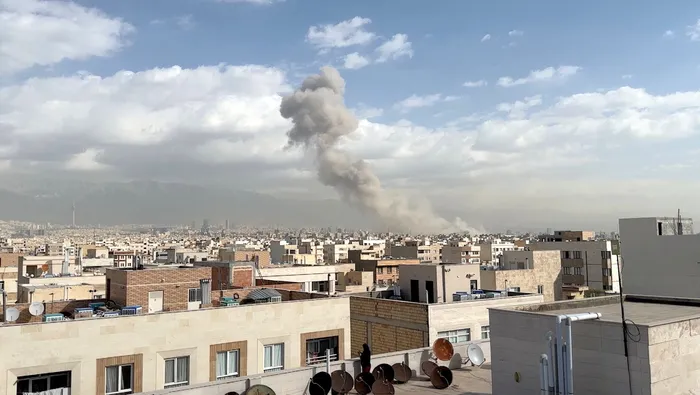
Everything is falling apart along the Durand Line. If you've been watching the headlines today, February 28, 2026, you've seen the chaos. Afghan officials are shouting from the rooftops that they've downed a Pakistani fighter jet in Jalalabad and have the pilot in custody. Meanwhile, Islamabad is calling the whole thing a total fabrication. It’s a mess of "he-said, she-said" while soldiers and civilians are dying in the crossfire.
The reality on the ground is way more intense than a simple denial. We're looking at a full-blown "open war" situation that’s been brewing for weeks. This isn't just another border skirmish; it's a massive shift in how these two neighbors handle their grudges.
The Jalalabad Incident and the Vanishing Jet
Early this morning, explosions rocked the sixth district of Jalalabad, right near the airport. Residents told reporters they heard the roar of a jet followed by two massive bangs. Then, they saw a parachute. According to Afghan police spokesman Tayeb Hammad, the jet was shot down by their forces and the pilot was captured alive.
It sounds definitive, right? But Pakistan’s Foreign Ministry spokesman, Tahir Hussain Andrabi, didn't hesitate. He called the claim "totally untrue." No middle ground. No "we're investigating." Just a flat-out rejection.
Here’s why this matters. If a pilot is actually in Afghan hands, it's a huge bargaining chip for the Taliban. If they're lying, it’s a desperate move to boost morale after a week of getting hammered by Pakistani airstrikes. You don't usually see this level of conflicting narrative unless both sides are prepared to go the distance.
The Numbers Don't Add Up
If you try to track the casualties from the last 48 hours, your head will spin. Pakistan says they've killed over 270 Taliban fighters and hit 37 different locations. Afghanistan says they’ve killed 55 Pakistani soldiers and captured 19 border posts.
- Pakistan's Claim: 12 soldiers dead, hundreds of militants neutralized.
- Afghanistan's Claim: 13 soldiers dead, dozens of Pakistani troops killed.
- The Reality: Somewhere in the middle, likely with a heavy toll on civilians in provinces like Khost and Paktika.
Honestly, the fog of war is thick here. Both governments are using these numbers to signal strength to their own people. Pakistan is running "Operation Ghazab-Lil-Haqq," and they aren't showing any signs of slowing down.
Why This Turned Into Open War
You might be wondering why this is happening now. It didn't start today. The tension has been building since early February when suicide bombings and checkpoint attacks in Pakistan killed dozens. Islamabad blamed the Tehreek-e-Taliban Pakistan (TTP), claiming they're using Afghan soil as a safe haven.
The Taliban denies this, of course. They say Pakistan’s internal security is their own problem. But Pakistan isn't buying it. Defense Minister Khawaja Asif basically said their patience is gone. When you use words like "exporting terrorism," you aren't looking for a diplomatic exit. You're looking for a fight.
The Role of Air Power
What's changed in 2026 is the scale. We’re seeing Pakistani jets striking Kabul and Kandahar—the heart of the Taliban’s power. Using air assets to target the Supreme Leader’s home turf in Kandahar is a massive escalation. It’s a message that says no part of Afghanistan is off-limits if the TTP keeps crossing the border.
The Taliban's response has been surprisingly organized. They aren't just hiding in caves anymore; they're using heavy weaponry and, if today's reports are true, anti-aircraft capabilities that actually work.
What Happens if the Pilot is Real
If there is a captured pilot, the situation gets dark very quickly. Remember the 2019 standoff between India and Pakistan? A captured pilot becomes the center of the universe. The Taliban would use him for every bit of propaganda value they can get.
- Publicity: Expect videos. It’s their standard playbook.
- Negotiation: They’ll want a total halt to airstrikes in exchange for his life.
- Pressure: It puts the Pakistani government in a corner. They can't stop the strikes without looking weak, but they can't let a pilot be executed.
If the jet crash is a ghost story, then the Taliban has some explaining to do when no pilot ever appears. But the reports from residents about parachutes are hard to ignore. People don't usually see parachutes during a routine mortar exchange.
The Geopolitical Fallout
It's not just these two fighting. The U.S. has already chimed in, with Under Secretary of State Allison Hooker expressing support for Pakistan’s right to defend itself. That’s a big deal. It gives Islamabad a green light from the West.
On the other side, the UN and the ICRC are panicking. They know that when these two start an "open war," the humanitarian crisis follows immediately. We’re talking about thousands of refugees trapped between two armies that don't care about the Durand Line's legitimacy.
Don't expect a ceasefire tomorrow. The rhetoric is too hot. Both sides are digging in. If you're following this, watch for any verified footage from Jalalabad. That's the only thing that will settle the debate about the jet.
If you're looking for a way to stay informed, keep an eye on independent journalists on the ground in Nangarhar. They’re the ones who will catch the truth before the state-run media can spin it. For now, take every casualty count with a grain of salt and expect more strikes before the sun goes down.