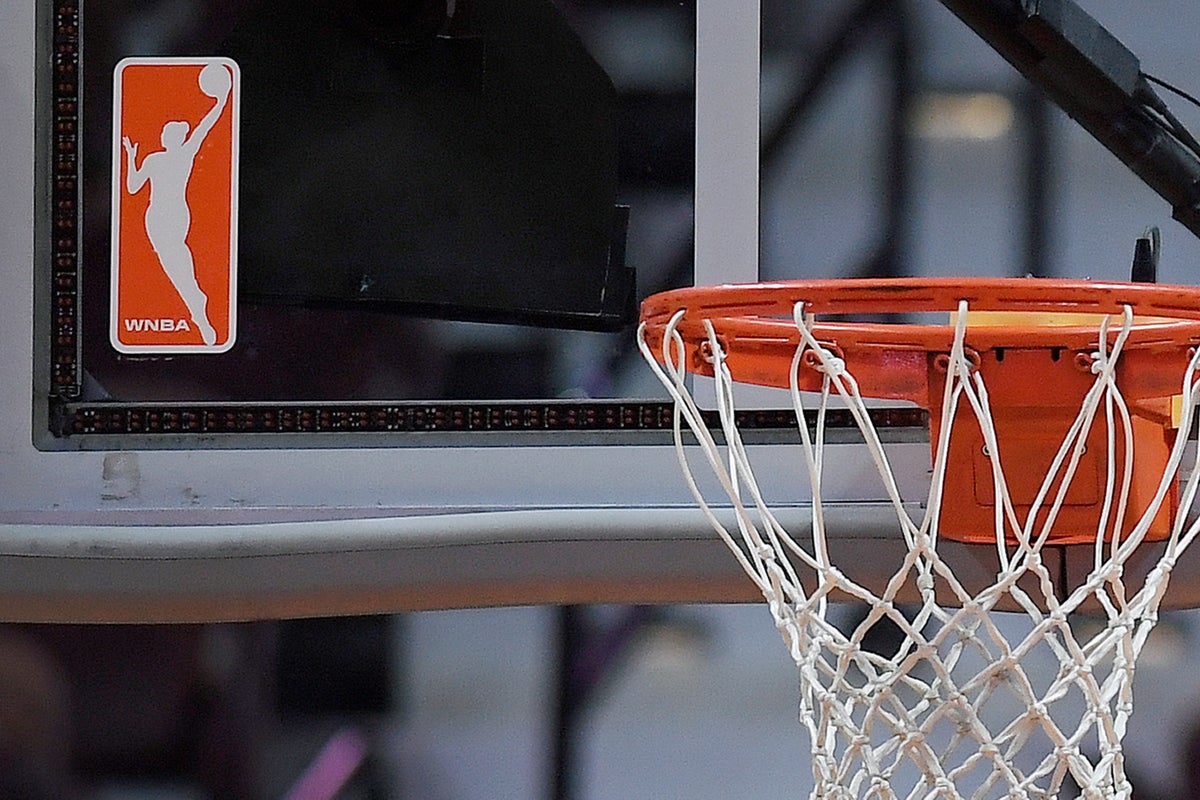
The WNBA just stopped the clock on a crisis and started a gold rush. After 17 months of grinding negotiations and a strike threat that felt very real, the league and the players’ union finally hit a verbal agreement on a new Collective Bargaining Agreement (CBA) this Wednesday. It isn’t just a pay raise. It’s a total teardown of the old financial model.
If you’ve been following the "Caitlin Clark effect" or the sellout crowds of 2025, you knew the old math didn't work. Players were still operating under a 2020 deal that felt like a relic. Now, the league is sprinting toward a May 8 tip-off with a new set of rules that will turn the next six weeks into the most chaotic period in women’s basketball history.
The Million Dollar Barrier is Gone
For years, the "supermax" was a modest number that topped out around $250,000. That’s over. Under the new deal, the salary cap is reportedly skyrocketing from $1.5 million to roughly $7 million per team.
This jump allows for the first $1 million base salaries in WNBA history. When you factor in the new revenue-sharing model—where players take home about 20% of gross revenue—the top stars could be looking at total compensation closer to $1.4 million.
It’s a massive win for the veterans who "stood on business," as union president Nneka Ogwumike put it. But the real story is at the bottom of the roster. Minimum salaries are jumping to over $300,000. To put that in perspective, the highest-paid player in the league last year wouldn't even qualify for a minimum spot under these new terms. It’s a complete transformation of what it means to be a professional basketball player.
A Brutal Six Week Sprint
Usually, the WNBA offseason is a slow burn. This year, it’s a wildfire. Because negotiations dragged on past several deadlines, the league has to cram months of logistics into about 40 days.
The "to-do" list is staggering.
- Expansion Drafts: Both the Toronto Tempo and the Portland Fire need to build rosters from scratch.
- The Free Agency Frenzy: Over 80% of the league consists of free agents right now. Players like Breanna Stewart and A’ja Wilson aren't just looking for new deals; they’re looking at a completely different tax bracket.
- The College Draft: Set for mid-April, where the Dallas Wings hold the top pick.
- Training Camps: These open April 19.
Teams are basically being asked to build their entire strategy in real-time without a finalized rulebook. General Managers are essentially flying the plane while they’re still bolting the wings on. Expect a lot of "wait and see" from agents until the formal term sheet is signed and ratified by the players and the Board of Governors, which should happen in the coming days.
Why the Revenue Split Was the Breaking Point
The biggest fight wasn't about the base salary. It was about the "gross vs. net" debate. The league wanted to pay players based on net revenue—basically what’s left after they pay for travel, arenas, and staff. The union didn't budge. They wanted a piece of the top-line growth.
They got it. By securing 20% of gross revenue, the players are now directly tied to the league's success. With the new media rights deal kicking in this year—bringing in over $200 million annually—that 20% is a huge number.
This deal also addresses the "quality of life" issues that players have been vocal about for years. We're talking about better housing, improved practice facilities, and expanded family planning benefits. The players didn't just want more money in their bank accounts; they wanted the league to treat them like the elite athletes they are.
The Expansion Chaos in Toronto and Portland
Adding two teams at the same time as a total economic overhaul is risky. The Toronto Tempo and Portland Fire have a massive disadvantage compared to the Golden State Valkyries, who had a full year to prep. These new franchises have to navigate an expansion draft while every other team is desperately trying to figure out how to fit their stars under the new $7 million cap.
Current teams will have to protect six players. But with so many free agents, who do you even protect? If a player isn't under contract, can they be drafted? These are the questions lawyers are currently arguing about in Manhattan offices.
Honestly, the next month will be a mess, but it’s a "good" mess. The alternative was a lockout that would have killed the momentum the league gained over the last two years. Instead, we’re getting a season that starts on time with players who are finally getting a fair slice of the pie.
If you’re a fan, keep your notifications on. The sheer volume of trades and signings coming in the next two weeks will be unlike anything we've seen. The WNBA is finally acting like a major league because it finally has the bankroll to back it up.
Next Step: Watch for the formal ratification of the CBA term sheet within the next 48 hours. Once that's official, the league will release the specific dates for the expansion drafts and the opening of the free agency signing window.