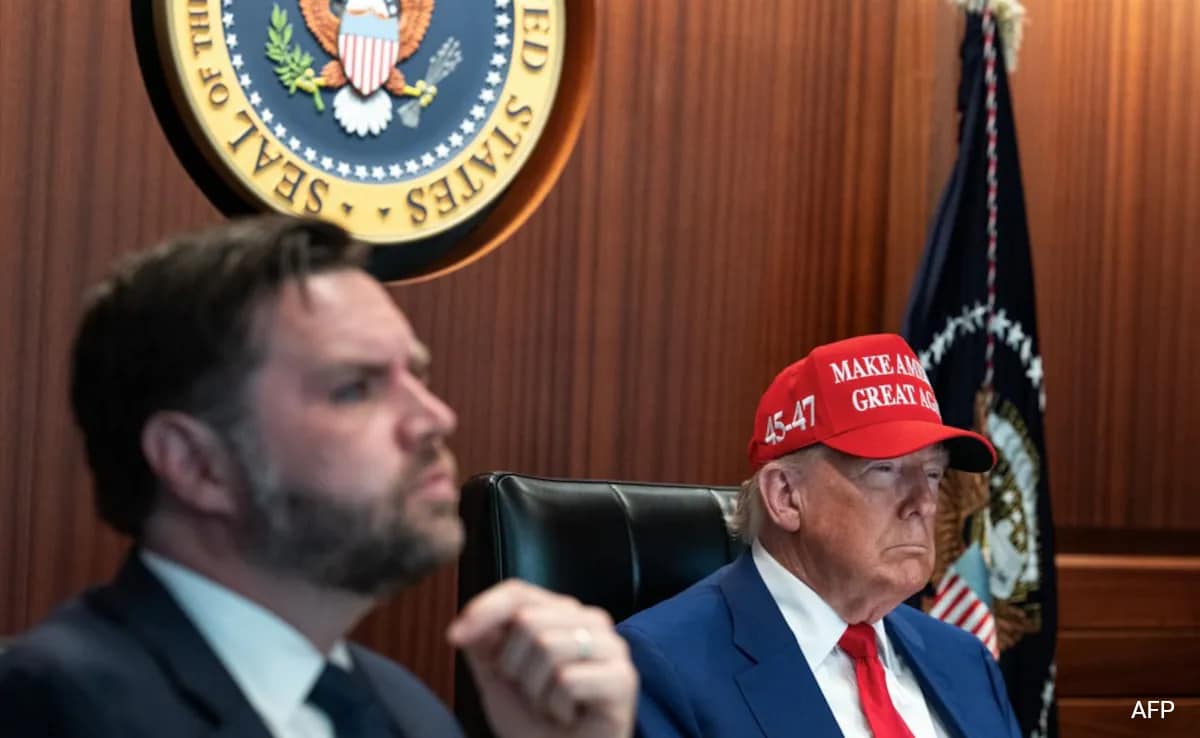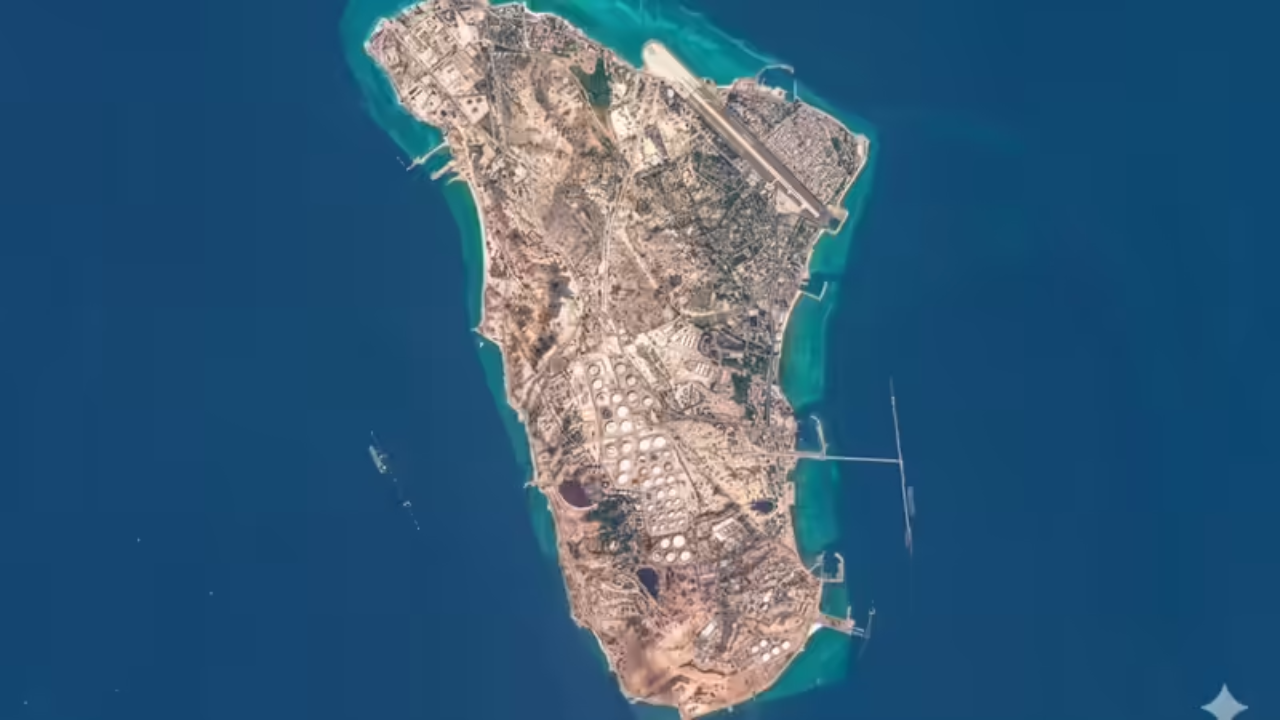
The White House just sent a message that's about as subtle as a sledgehammer. Principal Deputy Press Secretary Anna Kelly made it clear on Friday that the United States military can "take out" Iran's Kharg Island at any time. It's not a new threat, but the timing is everything. We're currently three weeks into a high-stakes campaign known as Operation Epic Fury, and the rhetoric is shifting from "precision strikes" to "total erasure."
If you aren't familiar with this patch of coral in the Persian Gulf, you should be. Kharg Island is the juggernaut of Iran’s economy. It handles roughly 90% of the country’s crude oil exports. For a regime that relies on oil to fund the Islamic Revolutionary Guard Corps (IRGC) and its regional proxies, Kharg is the jugular vein. Cut it, and the system bleeds out.
The leverage game in the Persian Gulf
The Biden administration—now succeeded by the Trump administration in this 2026 conflict—has been walking a tightrope. On one hand, you want to cripple the regime's ability to wage war. On the other, you don't want to send global oil prices into a triple-digit tailspin that wrecks the domestic economy.
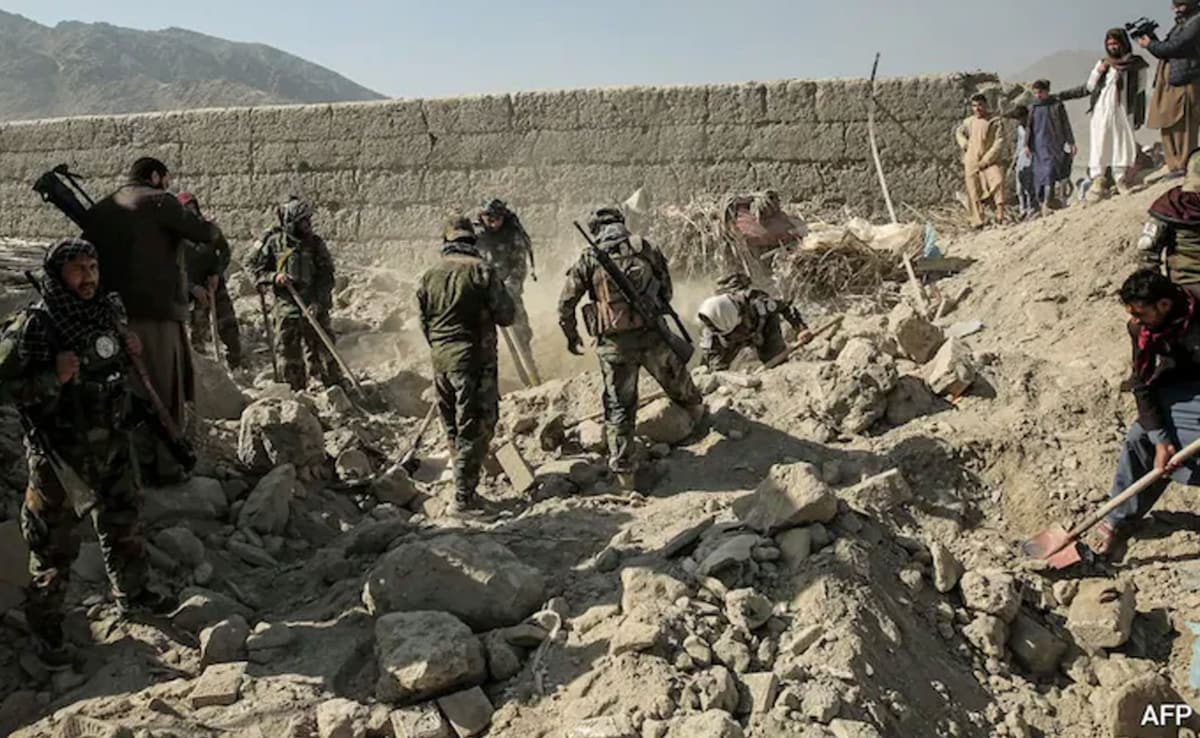
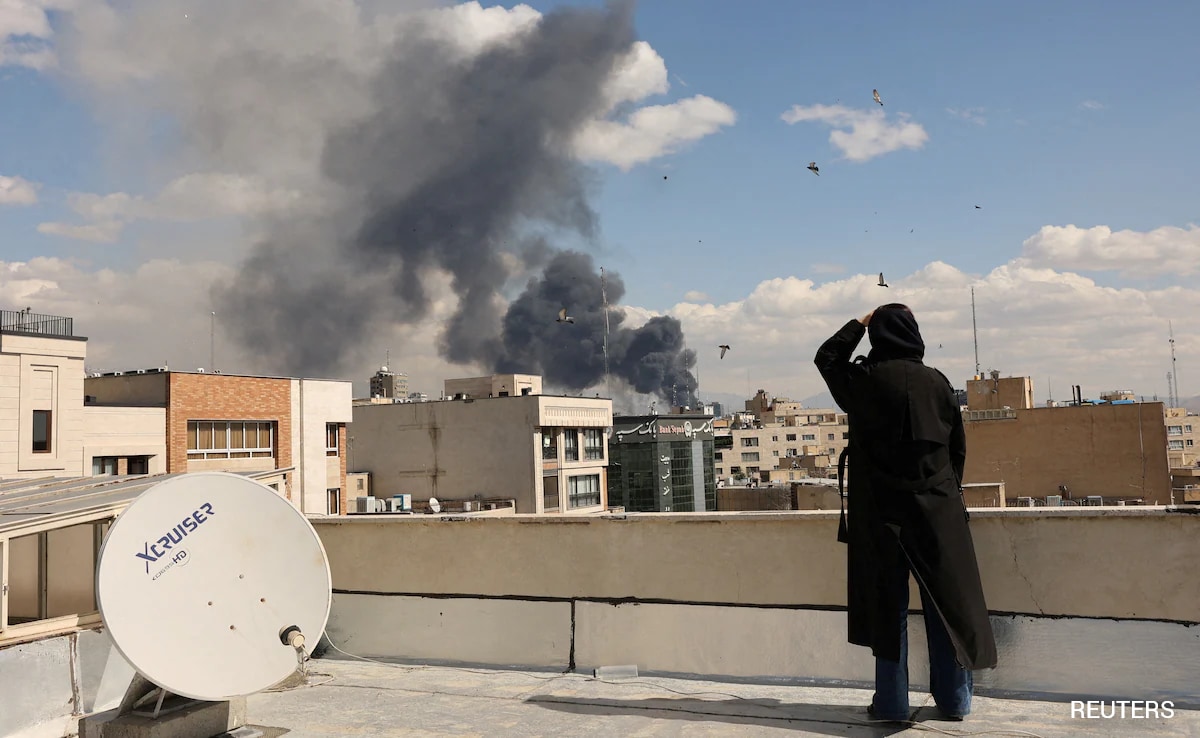
Last Friday, U.S. forces actually did strike Kharg. They "totally obliterated" every military target on the island, according to President Trump. But they intentionally left the oil pipes alone. It was a warning shot. The message was simple: We can break your toys without breaking the world's gas prices, but that restraint has an expiration date.
The White House is using Kharg as the ultimate bargaining chip to force Tehran to reopen the Strait of Hormuz. Iran has been using its "shadow fleet" and minelaying vessels to paralyze commercial shipping. By threatening to wipe Kharg off the map, Washington is telling Iran that their blockade will cost them their entire economic future.
Why Kharg Island is so hard to replace
You might wonder why Iran doesn't just ship oil from somewhere else. They’ve tried. The Goureh-Jask pipeline was built specifically to bypass the Strait of Hormuz, but it’s basically a garden hose compared to the firehose that is Kharg.
- Deep water access: Most of Iran's coastline is too shallow for the "Very Large Crude Carriers" (VLCCs) that carry millions of barrels. Kharg is a natural deep-water port.
- Massive infrastructure: Decades of investment have created a network of storage tanks and jetties that can load ten supertankers at once.
- Geographic concentration: Having everything in one spot makes it efficient, but it also makes it a "single point of failure."
The U.S. knows this. Military planners have likely mapped every pump station and valve. If the order comes to "take it out," it wouldn't just be a bombing run; it would be a surgical removal of Iran’s ability to participate in the global energy market for years.
The $200 per barrel nightmare
There's a reason the pipes are still intact for now. Analysts at JPMorgan and the Royal United Services Institute have been sounding the alarm on what happens if Kharg actually goes dark. We're talking about removing nearly 2 million barrels of oil per day from the market.
In a world already reeling from the start of hostilities on February 28, oil has already cleared the $110 mark. If Kharg's infrastructure is leveled, some experts predict crude could scream toward $150 or even $200 per barrel. That’s a "scorched earth" economic scenario that would trigger massive inflation in the West. It's the primary reason the U.S. has focused on "military targets" while keeping the loading terminals in its crosshairs but out of the blast zone.
What happens if the U.S. moves in
There are whispers in Washington about more than just air strikes. Axios recently reported that the administration is mulling over a blockade or even a physical occupation of the island. Deploying more Marines to the Middle East suggests that a ground operation isn't off the table.
If the U.S. were to seize and hold Kharg, it would be the ultimate "Art of the Deal" move. Instead of destroying the asset, you control the cash flow. It would give the U.S. total control over Iran's primary revenue source without necessarily destroying the infrastructure needed to rebuild the country later. But let’s be real: an occupation of an island 20 miles off the Iranian coast is a massive escalation that could trigger a much wider regional war.
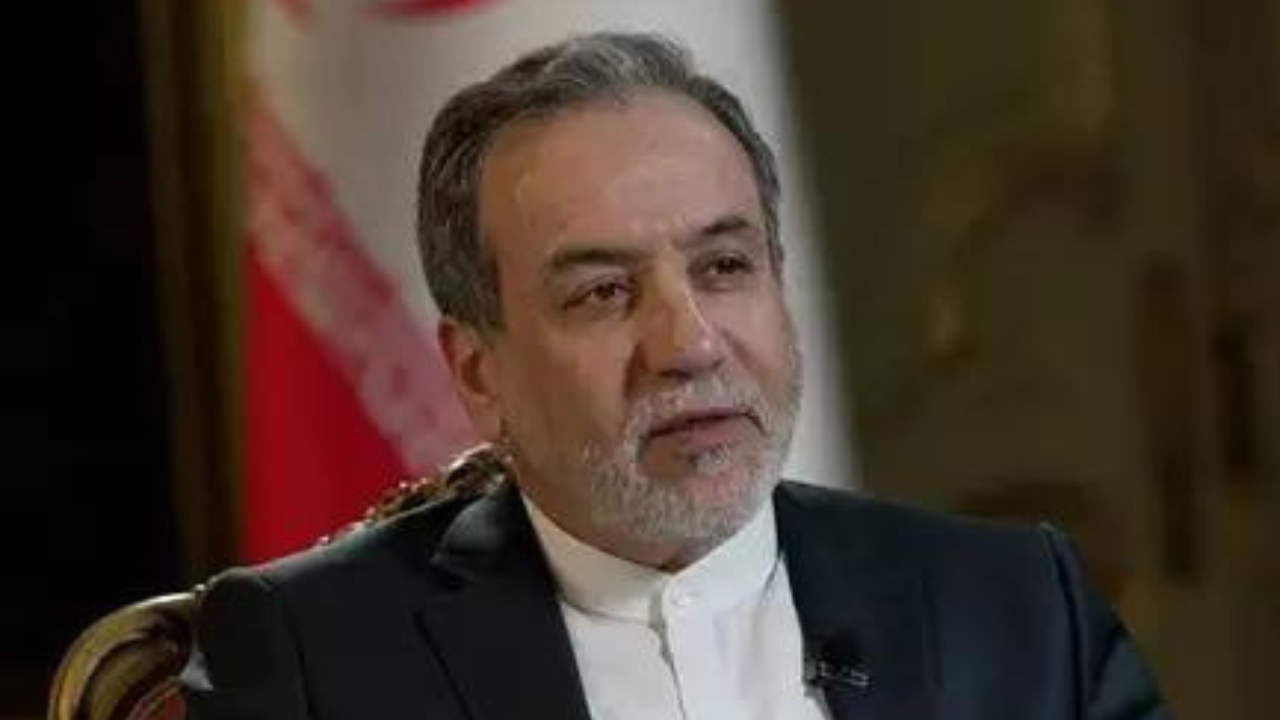
The Iranian leadership is currently stuck between a rock and a hard place. They need the blockade of the Strait of Hormuz to keep their leverage, but that very blockade is what's putting their most valuable asset at risk of being "taken out."
If you're watching the markets, keep your eyes on the tanker traffic around Kharg. Any sign of the "shadow fleet" thinning out or U.S. naval assets moving closer to the island's jetties will tell you exactly where this is headed. For now, the White House is content with the threat, but in this 2026 landscape, "at any time" usually means sooner than you think.
Keep an eye on the official CENTCOM briefings for updates on "freedom of navigation" operations in the northern Gulf. If the minelaying continues, those "pipes" Trump mentioned won't stay safe for long.