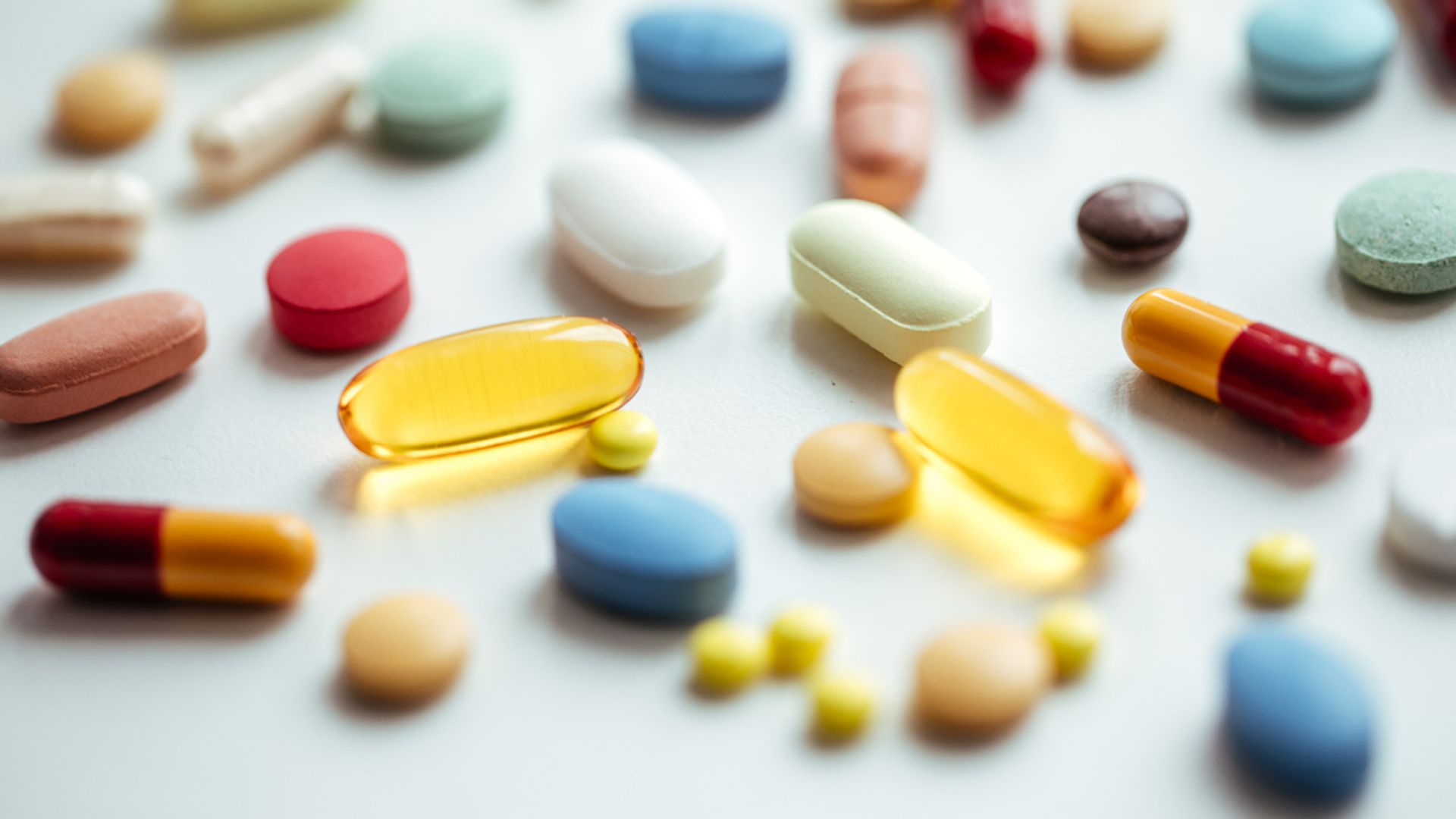
The modern wellness apparatus has found its ultimate growth engine in women's hormonal health. Walk through any digital marketplace and you will see tablets, powders, and gummies promising to banish night sweats, evaporate brain fog, or mimic the effects of weight-loss injections. It is a brilliant financial model. It takes standard physiological transitions, slaps a premium price tag on a blend of vitamins, and sells it back to a demographic that feels ignored by traditional medicine.
The UK Advertising Standards Authority (ASA) recently pulled the curtain back on this operation. Using automated monitoring, the regulator intercepted and banned several social media campaigns from supplement brands targeting menopause and weight management. These companies promised to "cure" or "relieve" symptoms. They cannot do that. Legally, only a licensed medicine can claim to prevent, treat, or cure a human disease or medical condition. Supplements are classified as food.
This regulatory crackdown exposes a structural fracture in modern healthcare. When traditional clinical environments fail to offer accessible, empathetic care for hormonal transitions, a multi-billion-dollar grey market of unproven pills rushes to fill the void. The problem is not just bad advertising. It is the systemic exploitation of medical neglect.
The Legal Fiction of the Menopause Cure
The regulatory architecture governing what a manufacturer can say about a pill is rigid. In the UK and Europe, food supplements cannot claim to treat diseases. While menopause itself is a natural biological transition, regulators view its acute symptoms—such as severe insomnia, clinical anxiety, or vasomotor instability—as conditions requiring professional medical oversight.
When a brand claims its capsule has a 95% success rate in stopping hot flushes, it crosses the line from nutritional support into unauthorized medical intervention.
The recent bans hit brands that directly name-checked menopause symptoms alongside their products. In one case, a company explicitly compared its botanical blend to Hormone Replacement Therapy (HRT), suggesting consumers who could not take hormones should buy their pills instead. This is a dangerous pivot. It actively discourages women from seeking clinical diagnostics, potentially masking underlying health issues that a simple vitamin blend cannot fix.
Supplements do not undergo the double-blind, randomized controlled clinical trials required of pharmaceuticals. A pharmaceutical manufacturer must prove to a national regulator that its compound does exactly what it says it does, and identify every side effect. A supplement manufacturer only needs to ensure its product will not actively poison the consumer.
Squeezing Into the Ozempic Boom
Menopause is not the only target. The gold rush surrounding GLP-1 weight-loss medications has triggered a secondary wave of opportunistic marketing. Supplement brands are now buying social media ads positioning their herbal blends as natural alternatives to prescription injections.
Marketers deploy buzzwords like "food noise" or label their products as natural mimics of clinical weight-loss compounds. The playbook is identical. It attaches a cheap, unproven product to a massive cultural and medical trend. The ASA ruled that these references constitute unauthorized medicinal claims. By implying a pill works like a prescription drug, the brand assumes the regulatory burden of a drug—a burden these companies cannot meet.
The strategy works because it operates in the gap between consumer desire and medical access.
Why the Wellness Complex Wins
It is easy to blame unscrupulous marketers, but that ignores why their messaging resonates so deeply. The supplement boom is a symptom of a much larger institutional failure.
For decades, women have reported that their symptoms are dismissed, minimized, or misdiagnosed in traditional clinical settings. A patient experiencing perimenopausal heart palpitations or severe joint pain might be told she is simply stressed, or that it is a normal part of aging.
When a patient is ignored by a doctor, she goes online.
Online, she finds targeted advertising that speaks directly to her pain. The wellness industry does not dismiss her. It validates her. It offers beautiful packaging, community forums, and a narrative of empowerment. The supplement industry has weaponized empathy. It wins because it listens, even if the solutions it sells are biologically inert or scientifically unproven.
The Problem With Self-Medication
Relying on Instagram-advertised wellness products presents three distinct hazards that go beyond simple financial waste.
- Diagnostic Delay: Treating clinical depression, severe insomnia, or metabolic dysfunction with over-the-counter herbals delays proper medical intervention.
- Contamination and Quality Control: The regulatory framework for supplements does not mandate rigorous batch testing. Independent analyses frequently find that what is on the label does not match what is in the bottle.
- Polypharmacy Interactions: Many botanical compounds interact poorly with legitimate prescription medications, including blood thinners and thyroid treatments.
If a patient takes a handful of unvetted botanicals alongside their prescribed medications, they risk severe biochemical interference.
Changing the Institutional Narrative
Fixing this requires more than just a regulator banning a few Facebook ads. The wellness industry will always adapt. If they cannot use the word "cure," they will use "support." If they cannot mention "menopause," they will create brands with names that heavily imply it.
The real solution requires pulling patients back into the clinical fold.
Medical schools must standardize comprehensive education on female hormonal transitions. General practitioners need the time and resources to evaluate patients thoroughly, rather than rushing them through a ten-minute appointment. When clinical medicine offers real, evidence-based, empathetic care, the market for predatory internet placebos will naturally shrink.
The regulatory bans are a necessary defensive measure, but they are a finger in a breaking dam. As long as the medical system treats female hormonal health as a secondary concern, there will be a line of marketers ready to sell false hope in a glass jar. True patient empowerment does not come from an unregulated bottle of pills purchased through a social media algorithm. It comes from rigorous science, accessible diagnostics, and clinical practitioners who actually listen.