The morning began with the smell of diesel and the mundane shuffle of backpack straps. It was a Tuesday. In a neighborhood where the concrete reflects a harsh, unforgiving sun, several dozen children sat behind wooden desks that had seen better decades. They were learning about geometry or perhaps the long, winding history of the Persian Empire. Then, the sky tore open.
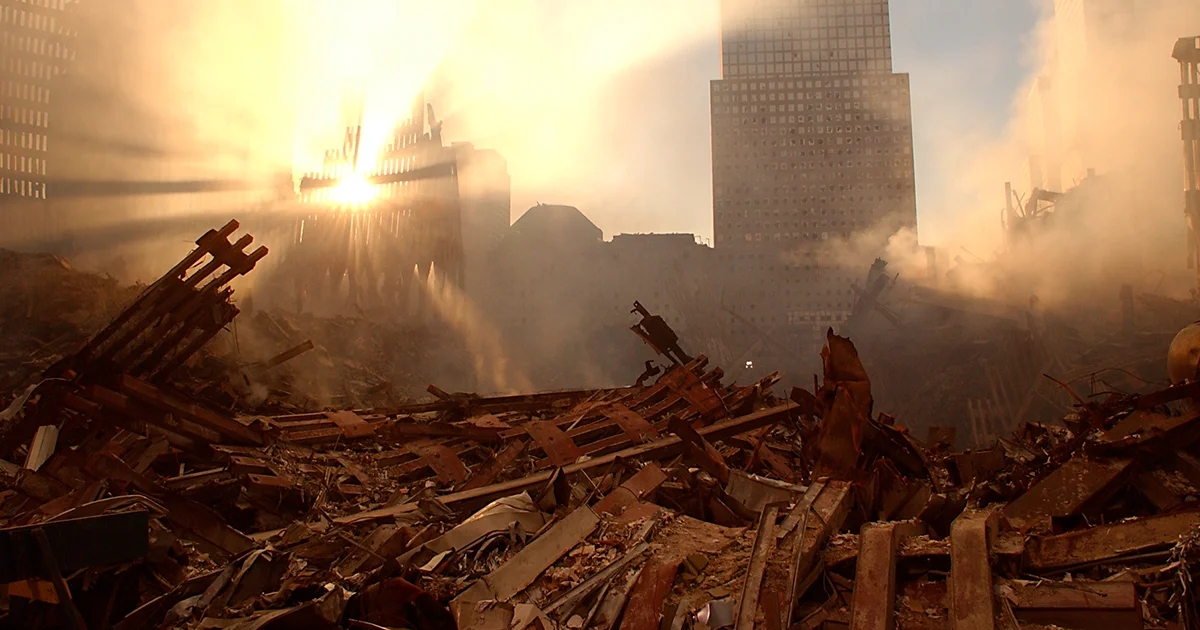
When a missile strikes a school, the sound is not a single crack. It is a layered roar of physics—the shriek of displaced air, the groan of structural steel giving up its ghost, and finally, the suffocating silence of pulverized limestone. In the aftermath, the air in this corner of Tehran didn’t just carry smoke. It carried the microscopic remains of notebooks, lunch boxes, and the innocence of a generation that had no say in the geopolitical chess match being played ten thousand miles away.
The facts of the strike are cold. The casualty counts are digitized into spreadsheets. But for the mothers standing outside the yellow police tape, the reality is the weight of a single shoe found in the rubble. It is a small, scuffed sneaker. It belongs to a boy who liked football more than math.
The Architect of the Void
Rage is a secondary emotion. It usually arrives only after the initial paralysis of grief has begun to thaw. In the streets surrounding the ruins of the school, that rage has a specific target. It isn't just directed at the mechanics of the weapon or the soldiers who pressed the button. It is directed at a name that has become a localized synonym for catastrophe: Donald Trump.
To understand why a grieving father in a dusty Tehran suburb shouts a name from a Western news cycle, you have to understand the invisible tether between a White House signature and a shattered window in the Middle East. Diplomacy is often discussed as a series of handshakes and leather-bound folders. In reality, it is a pressure cooker. When the United States withdrew from the nuclear soul-searching of the previous decade and reinstituted "Maximum Pressure," the civilians felt the squeeze first.
Prices for medicine climbed. The cost of bread doubled. Then, as the shadow-war between Washington and Tehran stepped out of the darkness and into the daylight of drone strikes and ballistic counters, the physical safety of ordinary people became the ultimate collateral.
A Geometry of Blame
Consider a hypothetical woman named Samira. She is not a politician. She does not care about uranium enrichment levels or the strategic importance of the Strait of Hormuz. She cares that her daughter’s school bag was blue. She cares that the bus was five minutes late.
When Samira stands before a camera, her face obscured by a black chador, she doesn't speak in the nuanced tongue of a diplomat. She speaks in the raw, jagged language of a survivor. To her, the missile is an extension of a policy. It is the physical manifestation of a rhetoric that labels her entire existence as part of an "axis." When she hears the former American president speak of "total destruction," she doesn't hear a campaign slogan. She hears the sound of her own roof collapsing.
The logic of the street is simple: If you starve a country with sanctions and then point a finger at its chest, you are responsible for the fire that follows. It is a sentiment that transcends the propaganda of the Iranian state. Even those who harbor deep resentment toward their own government find themselves pushed into a corner of nationalistic fury when the threat comes from the outside.
Pain has a way of clarifying one's enemies.
The Geography of the Invisible Stake
There is a profound disconnect between the war rooms of the West and the living rooms of the East. In Washington, a strike is a "proportional response." It is a move on a board designed to signal strength and deter future aggression. It is clinical. It is calculated.
In Tehran, that same event is a funeral.
The invisible stake here isn't just the survival of a regime or the price of a barrel of oil. It is the psychological fabric of a people. Every time a civilian structure is caught in the crossfire, the "pro-Western" sentiment that once flickered in the younger Iranian generations dims. It is hard to dream of a globalized, open future when the most prominent export you receive from the West is a kinetic payload.
The rage expressed by the mourners is a mixture of sorrow and a terrifying sense of helplessness. They are caught between a domestic leadership that uses their grief as a shield and an American leadership that uses their lives as a scorecard.
Beyond the Rhetoric of Might
We often mistake silence for peace and noise for power. The "Maximum Pressure" campaign was loud. It was designed to break the will of a nation by making the cost of existence unbearable. But human psychology rarely works that way. Pressure doesn't always lead to a crack; sometimes, it leads to a hardening.
The missile that hit the school did more than kill children. It validated a narrative. It told every Iranian who was on the fence that the world outside their borders viewed them as expendable. It turned a political dispute into a blood feud.
As the sun sets over the Alborz mountains, casting long, bruised shadows over the city, the funerals begin. They are quiet affairs, punctuated by the rhythmic chanting of the distraught. There are no "game-changers" here. There are no "pivotal" strategic shifts. There is only the heavy, rhythmic thud of shovels hitting earth.
The international community will debate the legality of the strike. Lawyers will cite treaties. Pundits will argue about whether the intelligence was "robust" or flawed. But none of that matters to the man sitting on the curb, holding a charred notebook. He isn't looking for a holistic solution or a new paradigm. He is looking for a reason to wake up tomorrow in a world that seems determined to erase everything he loves.
A school is supposed to be a sanctuary of the future. It is where the "what if" of a child’s life begins to take shape. When you turn that sanctuary into a crater, you aren't just fighting a war. You are murdering the possibility of peace before it has the chance to learn how to read.
The dust in the classroom will eventually settle. The news cycle will find a newer, louder tragedy. But the ghosts created in that Tuesday morning fire will remain, whispering the names of those they blame into the ears of every child who survived.
History isn't written in ink. It is written in the memories of those who had to bury their children because a man in a distant city wanted to look strong on television.