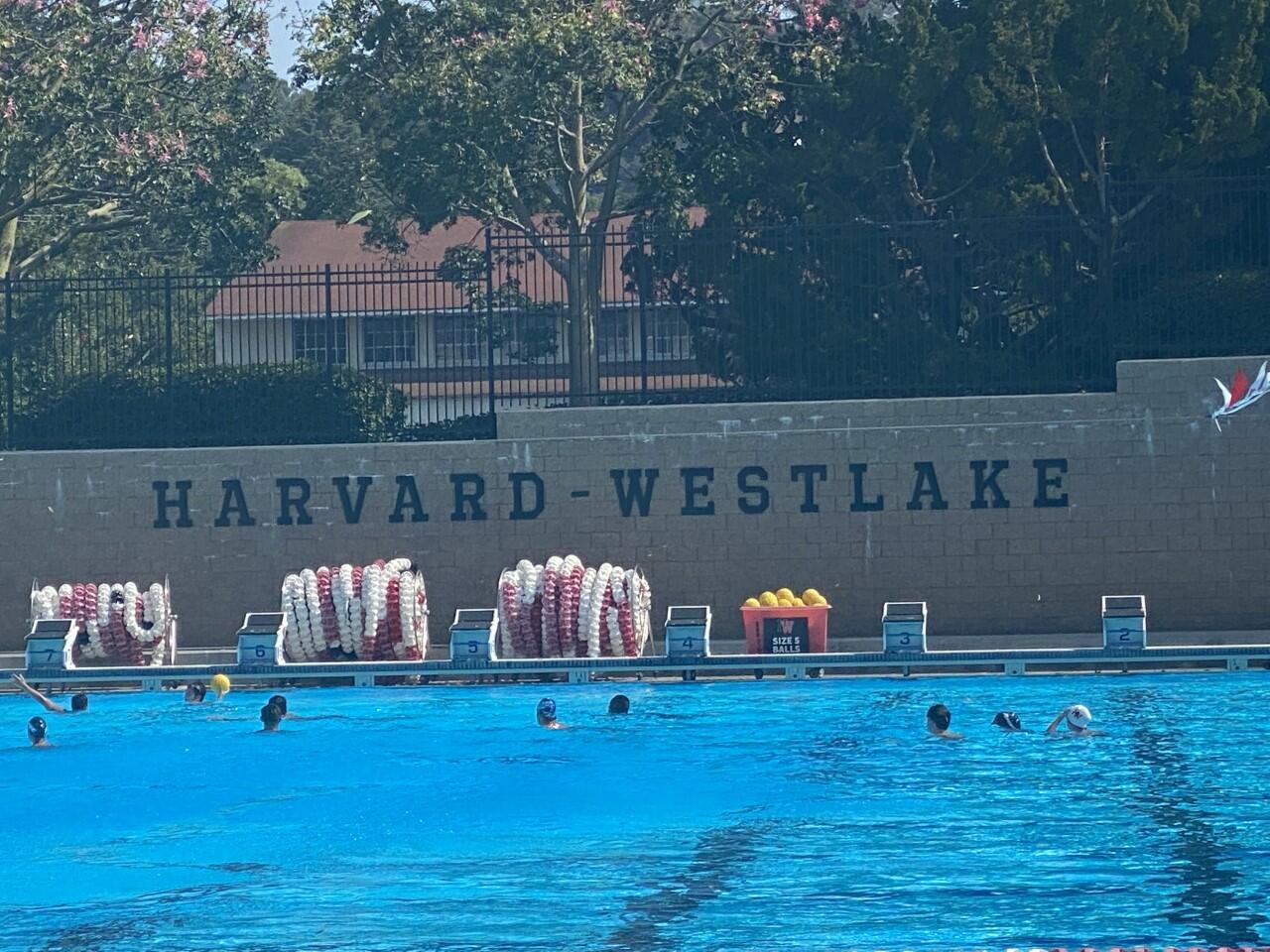
Elite private education isn't a charity. It is a high-stakes transaction where the currency is status, and the collateral is often the sanity of the participants. The recent allegations surfacing from a prestigious Los Angeles prep school—detailing claims of racist slurs and sexual assault within a water polo program—are being treated by the media as a shocking deviation from the norm.
They aren't. They are the logical conclusion of a system that prioritizes athletic prestige over institutional integrity. If you are surprised by the details of the lawsuit, you haven't been paying attention to how the sausage of "elite" sport is actually made.
The competitor narrative is lazy. It focuses on the individual "bad actors" and the alleged "cover-up." That is a surface-level reading of a systemic architecture designed to produce specific results at any cost. We need to stop talking about "slurs" and start talking about the culture of insulation that creates them.
The Performance Trap
In the ecosystem of L.A. private schools, sports are not "extracurriculars." They are marketing departments. When a school charges $40,000 to $60,000 a year in tuition, they aren't selling math classes. They are selling a path to the Ivy League or Stanford. Water polo is a primary vehicle for that path.
Water polo is a "niche" sport. It requires expensive pools, specialized coaching, and a specific geographic density. It is the quintessential gatekeeper sport.
When a coach or a star player is accused of misconduct, the school’s immediate instinct is not to "protect the brand" by purging the rot. It is to protect the pipeline. If the water polo team loses its ranking, the school loses its appeal to the next crop of wealthy parents. This creates an environment where accountability is viewed as a liability.
The Math of Minority Representation in Niche Sports
Let’s look at the data the media refuses to touch because it feels uncomfortable. According to NCAA demographic data, men's water polo is consistently one of the least diverse sports in collegiate athletics.
- White athletes: ~75-80%
- Hispanic/Latino athletes: ~8-10%
- Black athletes: < 2%
When a Black athlete enters this specific arena, the friction is not an accident. It is a feature of a closed system. The "isolated incident" of a slur is actually the byproduct of a demographic monopoly. Schools claim to "foster" (a word I hate, let's say "engineer") diversity, but they do so without changing the underlying power structures of the athletic department.
You cannot drop a minority student into an 80% white, high-wealth environment and expect "integration" without first dismantling the entitlement that comes with that wealth. The "racist slur" is the verbalization of the belief that the outsider doesn't belong in the pool.
The Myth of the "Elite" Moral Compass
We have this delusion that expensive schools are safer. We believe that more zeros on the tuition check equate to better behavior.
I have consulted for institutions where the endowment is larger than some small nations' GDP. The reality is the opposite. The higher the tuition, the higher the "settlement budget." These schools do not have "HR problems"; they have "Legal Risk Management strategies."
When the competitor article talks about a "cover-up," they are describing standard operating procedure. In these environments, an allegation of sexual assault or racism is treated like a budget deficit. You don't fix the morality; you mitigate the PR damage.
The Institutional Silencing Mechanism
- The Non-Disparagement Clause: Often buried in enrollment contracts or athletic waivers.
- The "Internal Investigation": Always conducted by a law firm that has a vested interest in the school's survival.
- The Social Exile: In a tight-knit community like L.A. private schools, the victim is often the one who loses their social standing first.
This isn't a "failure" of the system. The system is working exactly as intended. It protects the collective status of the donor class over the individual rights of the student-athlete.
Why Your Outrage is Pointless
The public loves these stories because they provide a momentary hit of moral superiority. "Look at those terrible people at that rich school," we say.
But we are the ones who demand the results that cause this. We demand that our athletes be gladiators. We want the prestige of the championship. We want the "elite" label.
You cannot have a hyper-competitive, high-stakes athletic program that is also a gentle, inclusive utopia. Performance-driven environments are, by definition, exclusionary. They are hierarchical. They are often brutal.
If you want to end the "slurs and assaults," you have to end the worship of the "elite" label. You have to stop caring if your kid goes to a school with a nationally ranked water polo team. But you won't do that. You want the sticker on the back of the SUV.
The Harsh Reality of the Water Polo Pipeline
Let’s be brutally honest about the sport itself. Water polo is an incredibly physical, often violent game. It takes place mostly underwater, out of the sight of officials. It is a sport built on what you can get away with.
When you take a sport predicated on hidden physicality and place it in a school environment predicated on hidden scandals, you get a toxic cocktail.
I’ve seen this play out in swimming, in rowing, and in lacrosse. These are "country club" sports. They are the last bastions of an old-world athletic order that prizes "toughness" and "tradition" over modern social standards.
When a student-athlete alleges they were assaulted, and the school’s response is to look the other way, they are following the internal logic of the sport: What happens under the water stays under the water.
The Solution Nobody Wants to Hear
Stop trying to "reform" these programs. You can’t reform a culture that is built on the premise of its own superiority.
If you want to protect students, you have to decouple athletics from the college admissions process. As long as a water polo scholarship or a "recruited athlete" tag is the golden ticket to a top-tier university, parents will tolerate the abuse of their children—and the abuse of others' children—to keep that ticket valid.
The lawsuit in Los Angeles isn't an indictment of one school. It’s an indictment of the parents who saw the red flags and kept writing the checks because they wanted their kid to play for a winner.
The Financial Incentive for Silence
Consider the "sunk cost" of a private school parent.
- Tuition (4 years): $240,000
- Club Sports/Travel: $50,000
- Donations: $100,000+
Total investment: Nearly $400,000. When you have $400k in the game, you aren't a "parent"; you are an investor. And investors hate losing their principal. They will overlook a "minor" slur or a "misunderstood" locker room incident if it means their investment yields the desired ROI: an acceptance letter from a Top 20 university.
Dismantling the Victim Narrative
The competitor focuses on the victim as a passive participant in a tragedy. That’s a mistake. The victim in this case—and others like it—is someone who dared to break the omertà of the elite.
The real story isn't the assault or the racism; those are the symptoms. The real story is the rebellion against the transaction. By filing a lawsuit, the plaintiff is effectively saying that the "status" being sold by the school is no longer worth the "suffering" required to obtain it.
That is the ultimate threat to the private school model. If the "elite" label becomes synonymous with "litigation risk" and "public scandal," the value of the degree drops.
Stop Asking the Wrong Questions
People ask: "How could this happen at such a good school?"
The question is flawed. It happened because it is an "elite" school.
People ask: "Why didn't the administration do something?"
They did. They protected the revenue stream.
People ask: "How do we fix the culture?"
You don't. You exit it.
We need to stop viewing these scandals as bugs in the software of elite education. They are the operating system. The racism, the sexual misconduct, and the subsequent scrubbing of the record are all tools used to maintain the exclusivity and the "toughness" that these institutions market to the highest bidder.
The L.A. water polo case is a mirror. It shows us that we value the "win" more than the human. We value the "brand" more than the truth. And until the cost of the lawsuit exceeds the value of the prestige, nothing changes.
Get your kids out of the pool. The water has been toxic for a long time.