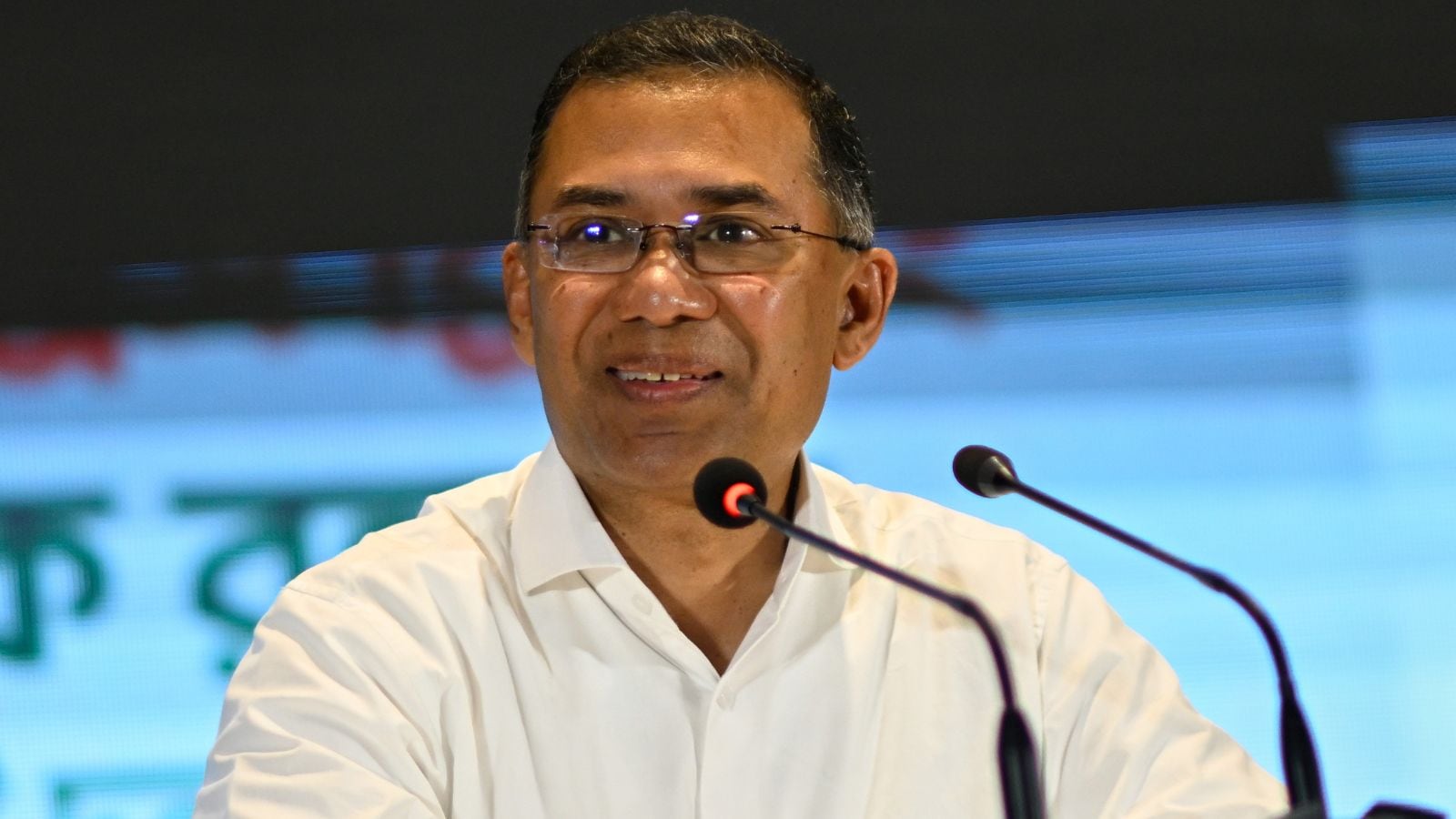
The mahogany doors of the Bangabhaban do not just close; they seal. Behind them, the air changes. It becomes heavy with the scent of lilies and the electric hum of statecraft. As the 13th Parliament of Bangladesh takes its oath, the flashbulbs capture a singular moment of triumph. Men and women in crisp tunics and silk sarees raise their right hands, swearing to uphold a Constitution that has weathered more storms than the delta itself.
But as the applause fades and the motorcades depart into the humid Dhaka afternoon, a phantom rises.
For every Minister of Finance who now holds the keys to the national vault, there is a person sitting in a quiet office across the city, clutching a spreadsheet and a magnifying glass. For every Minister of Health promising a clinic in every village, there is a counterpart—unsworn, unpaid by the state, and technically powerless—who is already drafting a rebuttal.
This is the Shadow Cabinet. It is an idea that has haunted the edges of Bangladeshi politics for decades, but after the 13th parliamentary election, it has moved from a theoretical whisper to a loud, demanding roar. It is the government that never was, designed to watch the government that is.
The Ghost at the Banquet
To understand a Shadow Cabinet, you have to stop thinking about it as a legal entity. It isn't. In the Westminster tradition from which Bangladesh draws its legislative DNA, the Shadow Cabinet is a mirror. If the Prime Minister appoints a Cabinet to run the country, the Leader of the Opposition appoints a "Shadow" to match them, man-for-man, woman-for-woman, portfolio-for-portfolio.
Imagine a high-stakes chess match where the grandmaster makes a move, but right behind them stands another master, narrating exactly why that move was a mistake and what the consequences will be ten turns down the line. That is the essence of shadow governance.
When the Minister of Agriculture announces a new subsidy for rice farmers, the Shadow Minister of Agriculture doesn't just tweet a complaint. They hold a press conference. They present an alternative budget. They point out the specific irrigation loophole that will bankrupt a farmer in Rangpur. They are the "Ministers-in-waiting," practicing the art of the possible while the incumbents practice the art of the actual.
In the wake of the 13th election, the public appetite for this mirror-image governance has spiked. The reason is simple. People are tired of the silence that usually follows an inauguration. They want a constant, grueling, intellectual tug-of-war. They want the government to feel the breath of a rival on their neck every single day, not just every five years.
The Human Cost of Unchecked Power
Consider a hypothetical citizen named Rafiq. He lives in a small flat in Mirpur. He doesn't care about the intricacies of parliamentary procedure. He cares that his daughter’s school supplies have doubled in price and that the power cuts out just as she starts her homework.
When the official government explains these failures as "global market fluctuations," Rafiq has no choice but to sigh and endure. But in a system with a functional Shadow Cabinet, the Shadow Minister of Energy stands up. They don't offer platitudes. They offer a technical breakdown of why a specific liquefied natural gas contract failed. They provide a roadmap for an alternative energy mix.
Suddenly, Rafiq isn’t just a victim of circumstance. He is an informed participant in a debate. The "Shadow" gives him a vocabulary for his frustration. It turns "things are bad" into "things could be better if we did X, Y, and Z."
This isn't about mere partisan bickering. It’s about the professionalization of dissent. In many ways, being a Shadow Minister is a harder job than being a real one. You have none of the resources, all of the scrutiny, and the crushing responsibility of proving you are ready to lead at a moment's notice.
The Architecture of the Alternative
How does this actually look in practice? It’s a grueling, 24-hour cycle of preparation.
- The Shadow Portfolio: Each opposition member is assigned a specific area of expertise. They become the "point person" for that topic. If there is a train derailment, the media doesn't just call the Minister of Railways; they call the Shadow Minister to see if the official story holds water.
- The Alternative Budget: This is the ultimate test. Once a year, the Shadow Cabinet produces a full fiscal document. It shows exactly how they would tax and spend differently. It’s a mathematical proof of their philosophy.
- Question Time: This is the theater of the mind. In the halls of Parliament, the Shadow Minister must be more prepared than the actual Minister. They must know the footnotes of the bills. They must be the sharpest blade in the room.
The stakes are invisible until they aren't. We only notice the lack of a Shadow Cabinet when a policy fails so spectacularly that there is no one left to pick up the pieces. Without a Shadow, the opposition is just a mob. With a Shadow, the opposition is a government-in-waiting.
Why Now?
The 13th parliamentary election was a crossroads. Bangladesh is no longer the "bottomless basket" the world once cruelly labeled it. It is a burgeoning economic engine. But engines overheat. They need regulators. They need redundant systems.
The call for a Shadow Cabinet in Bangladesh is a sign of political maturity. It suggests that the electorate is moving past the era of "strongman" politics and into the era of "strong system" politics. People are beginning to realize that a democracy without a shadow is like a person without a conscience—it can do whatever it wants, but it will eventually lose its way.
The skepticism is real, of course. Critics argue that in a highly polarized environment, a Shadow Cabinet is just a platform for more noise. They fear it will lead to "perpetual campaigning" rather than governing. They worry it’s a Western suit that doesn't fit the local climate.
But look at the alternatives. Look at the countries where dissent is disorganized, where the only way to challenge a policy is to take to the streets and burn buses. Is that more efficient? Is that more "local"?
A Shadow Cabinet channels that energy. It takes the fire of the street and turns it into the light of the committee room. It forces the opposition to do their homework. You can't just say "the economy is failing" if you are the Shadow Finance Minister; you have to explain how you would fix the inflation rate without crashing the currency.
The Weight of the Mirror
There is a psychological burden to this role. To be a Shadow Minister is to live in a state of permanent readiness. You are the understudy in a play that might never end. You have to know every line, every cue, every movement of the lead actor, hoping for the chance to step into the light, while simultaneously knowing that if the lead actor does a perfect job, you stay in the dark.
It requires a strange kind of humility mixed with intense ambition. It is a service to the state that offers no motorcades, no official residence, and no diplomatic immunity. It offers only the right to be heard and the duty to be right.
As the 13th Parliament begins its work, the air in Dhaka is thick with anticipation. The official Cabinet has taken their seats. They have the seals of office. They have the budgets. They have the police.
But out there, in the cafes of Banani and the tea stalls of Old Dhaka, people are watching the other side of the aisle. They are waiting for the Shadow to form. They are waiting for the person who will stand up, look the Minister in the eye, and say, "That isn't good enough. Here is a better way."
The true strength of a house isn't just in the bricks that make the walls; it’s in the buttresses that keep them from leaning. In the grand architecture of Bangladesh’s future, the Shadow Cabinet isn't a threat to the government. It is the very thing that will keep the government standing straight.
The light is bright in the Bangabhaban today. But the most important thing in that room isn't the oath itself. It’s the realization that someone is finally standing in the corner, taking notes, and timing the heartbeat of the nation.