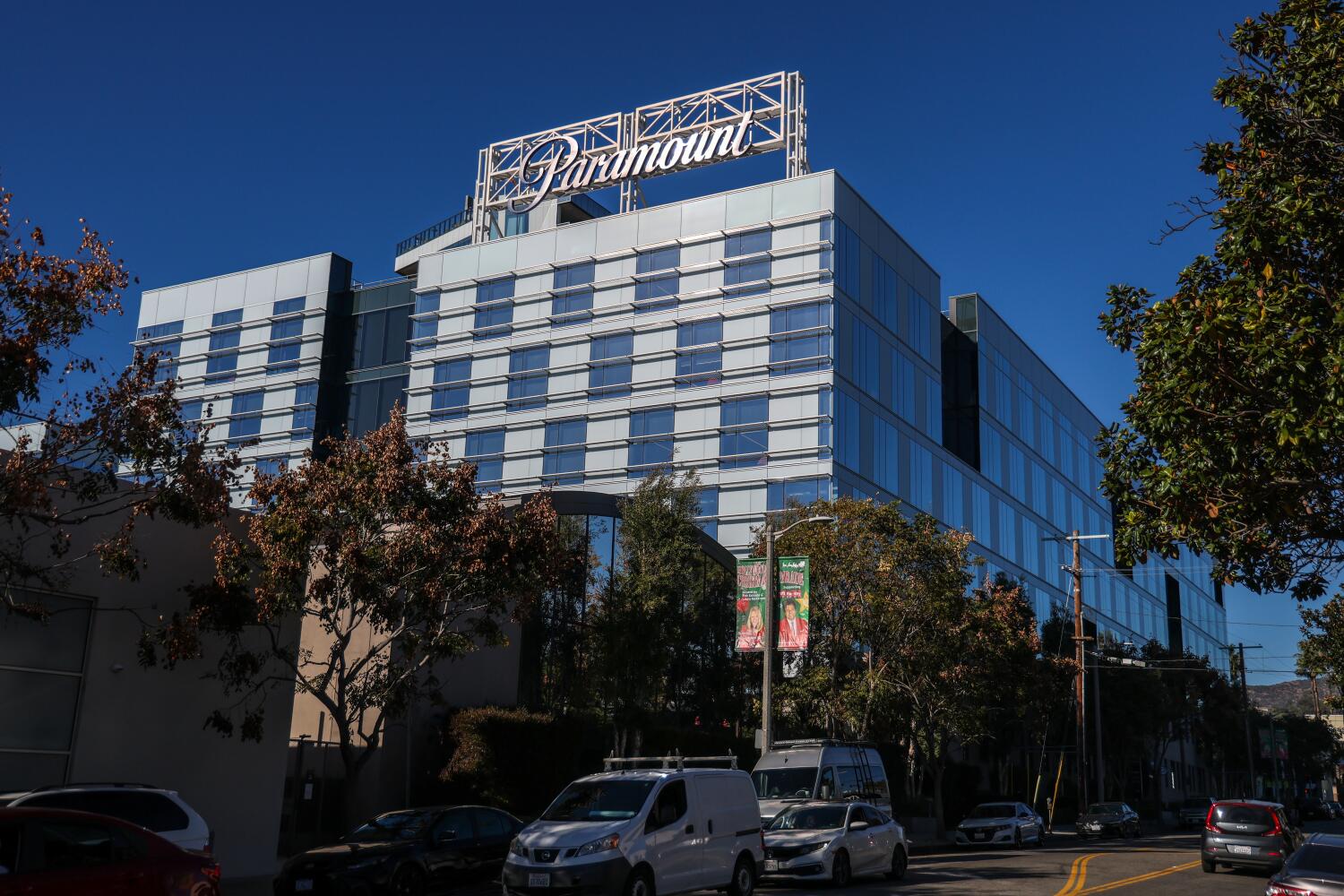
The letters are already flying. Capitol Hill is suddenly deeply concerned that Paramount Global might be influenced by "foreign actors" because a few sovereign wealth funds from the Middle East are sniffing around the deal table. It makes for a great headline. It plays well to a base that loves a good "national security" scare.
It is also absolute nonsense.
The narrative being pushed by certain DC circles is that we need a rigorous review to ensure American culture isn't being "bought" by Riyadh or Abu Dhabi. They act as if Hollywood is a pristine garden of democratic values currently under siege by desert oil tycoons.
Let’s be clear: Hollywood hasn't been "American" in the sense they mean for decades. It is a global commodities market. The pearl-clutching over Paramount’s potential backers isn't about protecting the integrity of Top Gun. It’s about politicians pretending they still have a grip on a legacy media apparatus that is currently on life support.
The Myth of the "Clean" Billion
The loudest argument against Middle Eastern investment in Paramount is that it gives foreign governments a "lever" over American content.
I’ve spent twenty years watching the ink dry on these types of deals. If you think a sovereign wealth fund (SWF) cares about changing a line of dialogue in a Nickelodeon cartoon, you don't understand how $800 billion funds operate. These entities aren't looking for a megaphone; they are looking for a lifeboat. They are diversifying away from oil because they know the internal combustion engine has an expiration date.
The "lazy consensus" says foreign money equals propaganda. The reality? Debt is the real propaganda.
Paramount is currently drowning in a sea of red ink. The company is a sprawling, inefficient collection of linear TV assets—CBS, MTV, Comedy Central—that are losing value faster than an open carton of milk in the sun. If the choice is between "foreign" capital that keeps the lights on and a bankruptcy court that carves the studio into pieces for vultures, the "national security" risk is actually the latter. A dead Paramount is a far greater loss to American soft power than a Paramount funded by a minority stake from the Qatar Investment Authority.
Why the Tech Giants Are the Real Villains
If Washington actually cared about the "purity" of American media, they wouldn't be looking at the Middle East. They would be looking at Cupertino and Mountain View.
The true disruption of the American cinematic identity didn't come from a foreign prince. It came from the algorithmic demands of Silicon Valley. When a tech giant buys a studio or dictates the terms of distribution, they aren't just funding movies; they are turning art into "content" designed to keep you scrolling so they can harvest your data.
- The Foreign Investor: Wants a 7% return and a seat at the Oscars.
- The Tech Giant: Wants your biometric data, your shopping habits, and your soul.
Yet, we see zero congressional letters demanding a "national security review" of how Apple or Amazon’s algorithmic opaque-ness influences the American psyche. We focus on the Gulf money because it’s an easy target with an old-school flavor of xenophobia that masks the fact that our own domestic tech monopolies have already colonized our culture.
The "Propaganda" Fallacy
"But what if they censor our movies?"
This is the favorite talking point of the "Review Paramount" crowd. It’s also incredibly naive. Hollywood already censors itself. We’ve been editing movies to appease the Chinese box office for twenty years. We’ve been stripping out "controversial" themes to ensure a PG-13 rating for global saturation since the 90s.
The idea that a Middle Eastern investor is going to suddenly introduce censorship to Hollywood is like worrying about a bucket of water being thrown into the Atlantic Ocean. The censorship is already baked into the business model. It’s called "Global Appeal."
If a movie costs $200 million to make, it cannot afford to be culturally specific or politically radical. It has to be bland enough to play in Peoria, Paris, and Riyadh simultaneously. That isn't "foreign influence." That's the math of the modern blockbuster.
The Hypocrisy of "Strategic Assets"
Congress labels Paramount a "strategic asset." This is a fascinating term for a company that owns SpongeBob SquarePants.
Calling a legacy media company a strategic asset is a desperate attempt to maintain relevance in a world where TikTok—a literal foreign-owned entity—has more influence over the American youth than every CBS news broadcast combined. If you want to protect the "American mind," you’re about fifteen years too late. The stable has been empty for a long time; there’s no point in locking the door now that the horse is living in a high-rise in Shanghai.
The Real Mechanics of the Deal
When a sovereign wealth fund enters a deal like the Paramount-Skydance-National Amusements triangle, they are usually "limited partners."
- Zero Creative Control: They don't get to pick the directors.
- Zero Editorial Input: They don't see scripts.
- Capital Only: They provide the liquidity that allows the actual operators (like David Ellison) to fix the balance sheet.
By blocking or "reviewing" this capital into oblivion, the US government is effectively telling American companies: "You are allowed to fail, but you aren't allowed to find the capital necessary to survive."
Stop Asking if the Money is "Safe"
People keep asking: "Is it safe for a foreign power to own a piece of our media?"
Wrong question.
The right question is: "Why is the American financial system so broken that our most iconic brands can't find domestic capital to keep them afloat?"
We have plenty of money in the US. We have private equity firms with trillions in "dry powder." Why aren't they buying Paramount? Because they know the linear TV model is a burning building. They would rather wait for the collapse and buy the IP for pennies on the dollar.
The foreign investors are the only ones with a long enough time horizon to actually try to save the institution. They aren't looking for a quick flip. They are looking for "prestige assets" that provide long-term stability. In a weird twist of irony, the "scary foreign backers" are often more aligned with the long-term health of the studio than the Wall Street activists who want to strip-mine the company for a dividend bump.
The Cost of Washington's Ego
Every time a politician grandstands about "reviewing" a deal, it adds a "political risk premium" to American business.
Imagine a scenario where a legitimate, legal deal is structured to save a massive American employer. Then, a subcommittee decides they want some TV time and drags the CEOs through a public circus. The deal dies. The company enters a death spiral. Thousands of jobs in Los Angeles and New York vanish.
Did we "protect" America? No. We just ensured that the next time an American company needs a lifeline, no one will pick up the phone. They’ll take their business to London, or Singapore, or Dubai, where the rules of the game aren't dictated by who needs to win a primary in Ohio.
The Brutal Truth About "American" Media
The "American-ness" of our media was a product of the post-WWII era when we were the only industrial power left standing. That era is over. We are now in a multipolar world where capital flows to wherever there is growth—or at least the appearance of it.
If we want to keep Paramount "American," we should have invested in its digital transition ten years ago instead of letting it get fat and happy on cable retransmission fees. We didn't. We let the tech companies eat their lunch, and now we’re mad that they’re asking for a snack from the neighbors.
Your Advice for the Next "Scandal"
Next time you see a headline about "foreign backers" in Hollywood, do the following:
- Ignore the "National Security" label. It’s usually a cover for protectionism or simple political theater.
- Look at the Balance Sheet. If the company is bleeding cash, they aren't being "infiltrated"; they are being "rescued."
- Check the Creative Credits. See if the "foreign-funded" movies look any different from the "US-funded" ones. (Spoiler: They don't. They’re both trying to sell toys in 140 countries).
- Demand Tech Accountability. If you're worried about influence, ask why the algorithm knows your political leanings better than your spouse does.
The "threat" of Gulf money in Paramount is a ghost story told by people who are afraid of the dark. The real monster isn't the guy with the checkbook in Riyadh. It’s the fact that the old Hollywood model is a corpse, and no amount of "patriotic" posturing is going to bring it back to life.
Let the money in. Fix the business. Stop pretending a minority stake in a struggling streamer is a threat to the Republic.
Buy the dip on the outrage. Sell the narrative.
Would you like me to analyze the specific debt-to-equity ratios of the proposed Paramount merger to show exactly why domestic banks won't touch it?
Stop treating media like a museum and start treating it like the global market it has already become.
Mic drop.