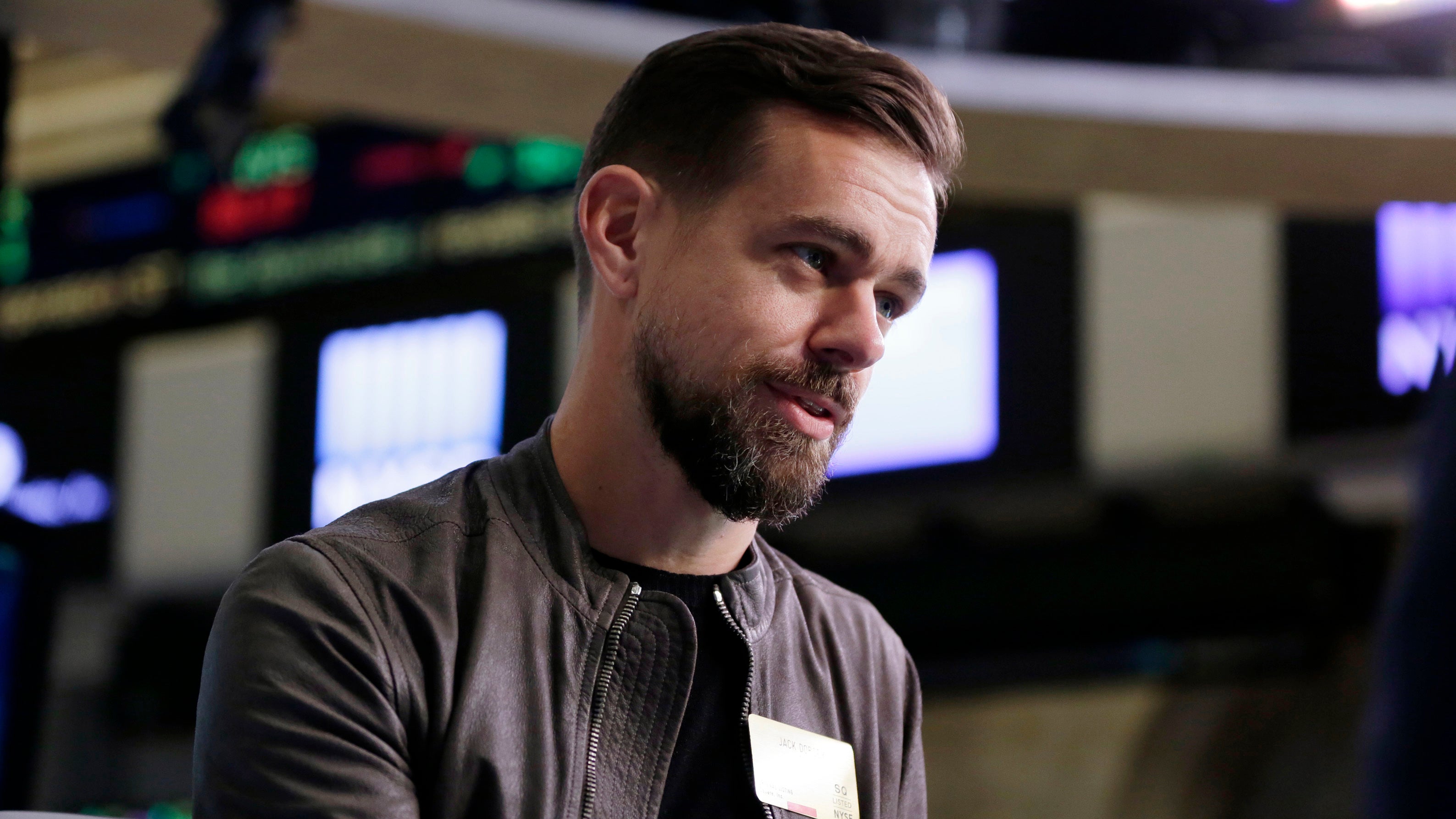
Most CEOs would be hiding under their desks if they had to tell the world they were firing 4,000 people. Not Jack Dorsey. On Thursday, Block announced it's slashing its workforce by nearly half, and the stock market threw a party.
Block shares skyrocketed more than 24% in extended trading because investors finally saw a vision they liked. It’s not just about a smaller payroll. It’s about a company that’s admitting it got bloated and is now betting everything on a leaner, AI-driven structure. Dorsey didn't mince words. He told shareholders that he'd rather take a "hard, clear action now" than bleed out through slow, morale-killing cuts over several years.
The math behind the 4,000-person cut
For the last couple of years, Block (the parent company of Square and Cash App) has been under fire for its growing headcount. By the end of 2023, the company had topped 13,000 employees. Dorsey had previously promised a cap of 12,000, but this latest move goes way beyond a simple cap.
Block is dropping from over 10,000 employees down to just under 6,000. That’s a 40% reduction. If you’re wondering why the stock market loves this, look at the efficiency numbers. Dorsey is now targeting $2 million in gross profit per person. To put that in perspective, that’s about four times the efficiency the company had before the pandemic.
In the tech world, "growth at all costs" is dead. "Profitable efficiency" is the new king. Block isn't just cutting to save money; it's cutting to change how it builds software. Dorsey's memo on X (formerly Twitter) made it clear: he thinks smaller, flatter teams using AI tools can do more than massive, siloed departments.
Why the Square and Cash App split was a mistake
One of the most refreshing things about this announcement was Dorsey’s bluntness about his own management errors. He admitted that he incorrectly built two separate company structures—one for Square and one for Cash App.
This created a "double-speed" problem. You had two different cultures, two different engineering stacks, and a whole lot of duplicated work. By "functionalizing" the company, Block is trying to act like one single entity. Honestly, it’s about time. If you’ve used both apps, you know they’ve felt like they belong to different universes for years.
By merging these structures, Block can finally stop paying two people to do the same job. This reorganization, which they started mid-2024, is finally hitting the finish line with these layoffs. It's a move toward a "single-speed" operation where the merchant (Square) and the consumer (Cash App) actually talk to each other.
AI is the reason, not just a buzzword
A lot of companies mention AI to distract from bad news. With Block, it feels a bit different. Dorsey is obsessed with the idea that "intelligence tools" change the fundamental physics of running a company.
The plan is to use AI to automate:
- Customer support workflows.
- Compliance and risk monitoring.
- Routine software development tasks.
If Block can actually pull this off, they won’t need 12,000 people to maintain the same revenue. They’re projecting a 2026 gross profit of $12.2 billion. They expect to hit that with half the staff they had last year. That’s why the guidance for 2026 adjusted earnings per share was raised to $3.66, which blew past what analysts were expecting.
The human cost and the "generous" exit
Let’s be real: losing your job sucks. But as far as layoffs go, Block is being surprisingly decent. Affected workers are getting 20 weeks of salary, plus an extra week for every year they worked there. They’re also getting six months of healthcare and a $5,000 "transition" payment.
Dorsey’s logic is that a "rip the Band-Aid off" approach is better for those who stay. He doesn't want the remaining 6,000 people looking over their shoulders every three months wondering if they're next. By doing one massive cut, he's trying to reset the culture and focus on growth "on our own terms."
What this means for your money
If you’re an investor, the message is clear: Block is finally growing up. The "Rule of 40"—a metric that balances growth and profit—is the new North Star. They aren't just a "Bitcoin company" or a "payments company" anymore. They're an efficiency machine.
The Q4 numbers backed this up. Gross profit jumped 24% year-over-year to $2.87 billion. Cash App is still a monster, with 59 million monthly active users. When you combine that kind of growth with a 40% reduction in your biggest expense (people), the math for the stock price becomes very attractive.
Keep an eye on the first quarter of 2026. Block is going to take a $450 million to $500 million hit for severance and restructuring. It’ll look ugly on the GAAP numbers for a minute, but the long-term margin expansion is what matters. If you're looking for the next move, watch how quickly they integrate Square and Cash App features. That's where the real "flywheel" effect will show up.