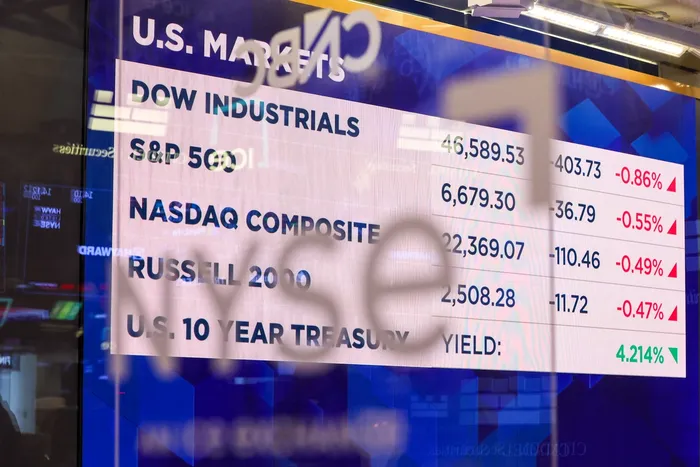
Public anxiety regarding international conflict is rarely about the geopolitical shift itself; it is an intuitive reaction to the energy-inflation feedback loop. When a majority of Americans express concern that war will hurt the economy, they are identifying a systemic vulnerability in the domestic cost of living. This fear is not a monolith but a three-part calculus involving energy-input costs, supply-chain friction, and the psychological erosion of consumer sentiment. To understand why a localized conflict thousands of miles away dictates the price of a gallon of gasoline in the Midwest, one must deconstruct the global energy architecture and the specific mechanisms that translate kinetic warfare into fiscal pain.
The Geopolitical Risk Premium in Energy Markets
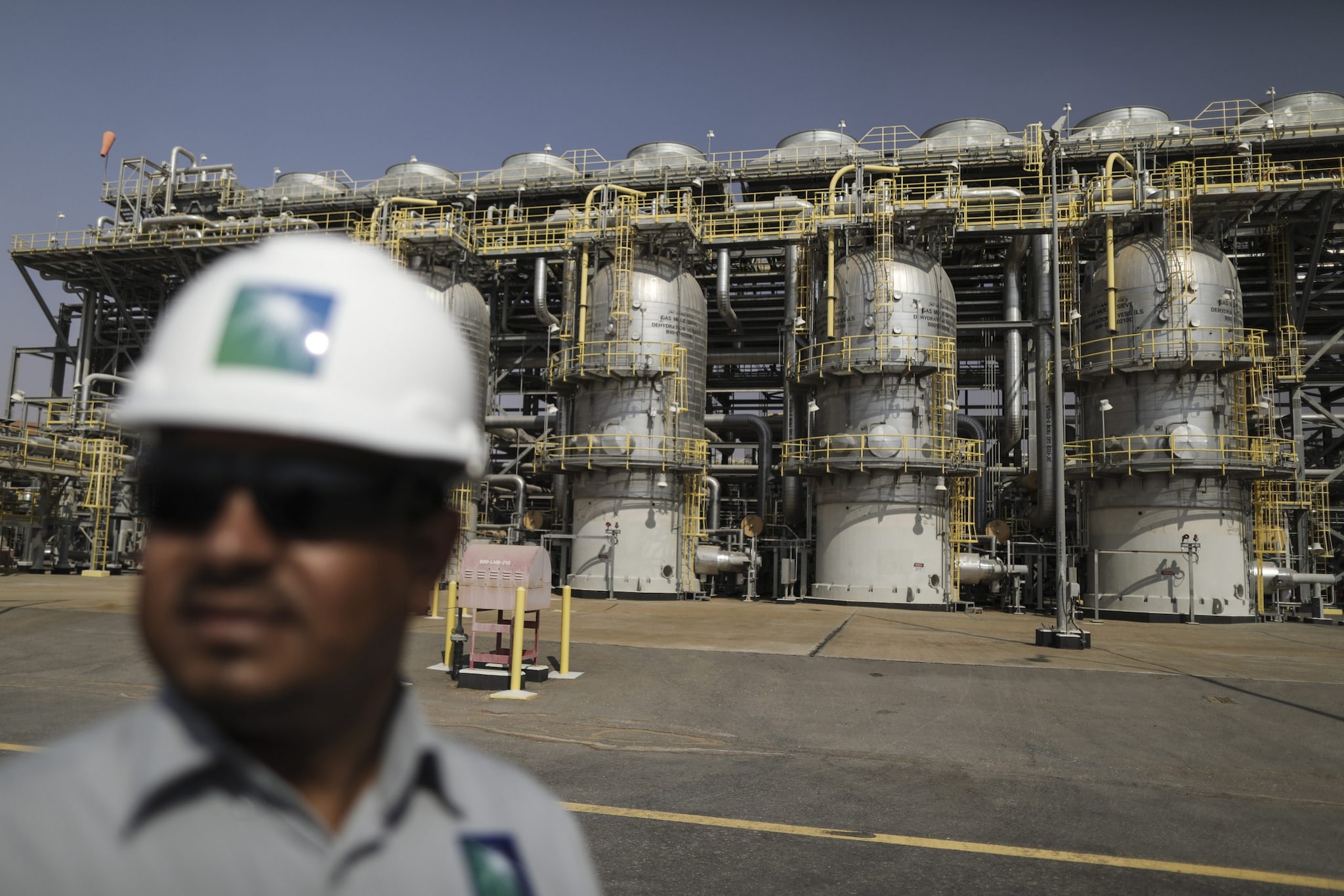
Oil is the world’s most sensitive commodity because it functions as both a physical necessity and a financial instrument. When conflict erupts in a region critical to production or transit—such as the Middle East or Eastern Europe—the market applies a "risk premium." This is not a price hike based on an actual shortage, but a speculative adjustment based on the probability of a future shortage.
The transmission of this premium follows a specific sequence:
- Speculative Front-Running: Traders buy futures contracts to hedge against potential disruptions, driving up the global benchmark (Brent or WTI).
- Refinery Lag: Domestic refineries purchase crude at these elevated prices. Because they operate on thin margins, they pass these costs to distributors within days.
- Retail Sensitivity: Gas stations, fearing the replacement cost of their next underground tank delivery, raise prices at the pump almost immediately.
This creates a "rockets and feathers" effect: prices skyrocket when conflict begins but drift down slowly like feathers even after the threat subsides. For the average American household, this serves as an immediate, regressive tax that reduces discretionary spending power.
The Three Pillars of Conflict-Induced Economic Degradation
The impact of war on a domestic economy is best categorized through three distinct channels of transmission. By isolating these pillars, we can quantify how "worry" turns into "recessionary pressure."
1. The Energy-Input Function
Nearly every good or service in the U.S. economy has an energy-input component. When gas prices rise, the cost of transporting goods—from produce to electronics—climbs.
$Total Cost = Production + (Distance \times Fuel Rate)$
As the fuel rate increases, the "Distance" variable becomes a liability. This leads to cost-push inflation, where businesses raise prices not because demand is high, but because the cost of staying in business has surged. Unlike demand-pull inflation, which the Federal Reserve can dampen by raising interest rates, cost-push inflation is supply-side and far more difficult to neutralize without causing a sharp contraction in growth.
2. Supply Chain Discontinuity
Modern manufacturing relies on "Just-in-Time" (JIT) logistics. Conflict introduces "Just-in-Case" inefficiencies. If a war threatens maritime shipping lanes (e.g., the Suez Canal or the Strait of Hormuz), ships must take longer, more expensive routes.
- Insurance Premiums: War risk insurance for cargo vessels can spike by 1,000% overnight.
- Inventory Bloat: Companies begin over-ordering to avoid stockouts, which ties up capital that could otherwise be used for expansion or wage increases.
3. The Sentiment Contraction
The CBS poll results reflect a "pre-emptive thrift" among consumers. When people see headlines of war, they perceive an uncertain future. This uncertainty triggers a contraction in high-ticket purchases (homes, cars, appliances). Since the U.S. economy is 70% driven by consumer spending, a collective decision to "wait and see" can be enough to tip a slowing economy into a technical recession.
Quantifying the "Gas Price Anxiety" Threshold
There is a psychological "pain point" in the American psyche regarding fuel costs. Data historically suggests that once gasoline crosses a specific percentage of the median weekly income, consumer behavior shifts from "complaining" to "restricting."
- Under $3.50/gallon: Spending patterns remain largely normal; fuel is viewed as a fixed utility.
- $3.75 - $4.25/gallon: Consumers begin "trip-chaining" (combining errands) and reducing restaurant visits.
- Above $4.50/gallon: Structural shifts occur. Commuters investigate public transit, and the resale value of fuel-inefficient vehicles (SUVs and trucks) begins to crater.
The current public worry is a lagging indicator of this threshold. Americans are not just afraid of the price itself; they are afraid of the speed at which the price can change. Volatility is often more damaging than high prices because volatility prevents accurate household budgeting.
The Military-Industrial Fiscal Paradox
A common counter-argument to the "war hurts the economy" thesis is the boost in defense spending. While it is true that conflict leads to increased orders for defense contractors, this creates a distortionary effect rather than a broad economic benefit.
This is known as the "Broken Window Fallacy." While tax dollars are flowing into missile production and military hardware, that capital is being diverted from "productive" sectors like infrastructure, education, or technology R&D. Furthermore, defense spending is highly concentrated. A billion-dollar contract for a fighter jet benefits a few thousand specialized workers and shareholders, whereas a $1.00 increase in gas prices penalizes 250 million drivers simultaneously. The net economic effect for the average citizen is almost always negative.
Why Interest Rates Fail as a Solution
If the Federal Reserve is already battling inflation, a conflict-driven spike in energy prices presents a "nightmare scenario" known as Stagflation.
The standard tool for fighting inflation is raising interest rates to cool the economy. However, if inflation is being driven by a war-induced oil shortage, raising interest rates won't produce more oil. It will only make it more expensive for businesses to borrow money, potentially killing off what little growth remains. This creates a policy trap:
- Option A: Raise rates to kill inflation, but risk a deep recession.
- Option B: Keep rates low to support growth, but let inflation erode the value of the dollar.
The American public’s "worry" is a rational recognition of this trap. They understand, perhaps intuitively rather than technically, that the government has few effective levers to pull when global geopolitics disrupt the local supply chain.
Strategic Asset Allocation in a Conflict-Driven Market
For the individual or the enterprise, "worry" must be converted into a defensive strategy. Relying on the hope that conflict will be "short-lived" is a failure of risk management.
The first step is a liquidity audit. In periods of energy-led inflation, cash is often king, but only if it is positioned to offset the rising cost of debt. High-interest savings or short-term Treasuries provide a hedge, but they do not solve the underlying increase in the cost of living.
The second step is operational de-risking. For businesses, this means diversifying suppliers away from zones of potential kinetic conflict and moving toward "near-shoring." For households, it means accelerating the transition toward energy efficiency—not necessarily for environmental reasons, but as a form of "energy independence" that shields the household budget from the whims of foreign dictators or distant naval skirmishes.
The ultimate reality of modern warfare is that the front line is no longer just a geographic border; it is the global ledger of commodity prices. Every barrel of oil not produced and every shipping container delayed is a direct hit to the domestic consumer’s balance sheet.
Monitor the Crude-to-Retail spread. If the price of crude oil drops but gas prices remain stagnant for more than 14 days, it indicates that retailers are "padding" their margins to compensate for future uncertainty. This is the clearest signal that the market expects a prolonged period of instability. Position your capital into energy sector equities or inflation-protected securities (TIPS) as a counter-weight. Do not wait for a formal recession declaration; the "worry" documented in current polling is the lead generation for the next economic contraction.