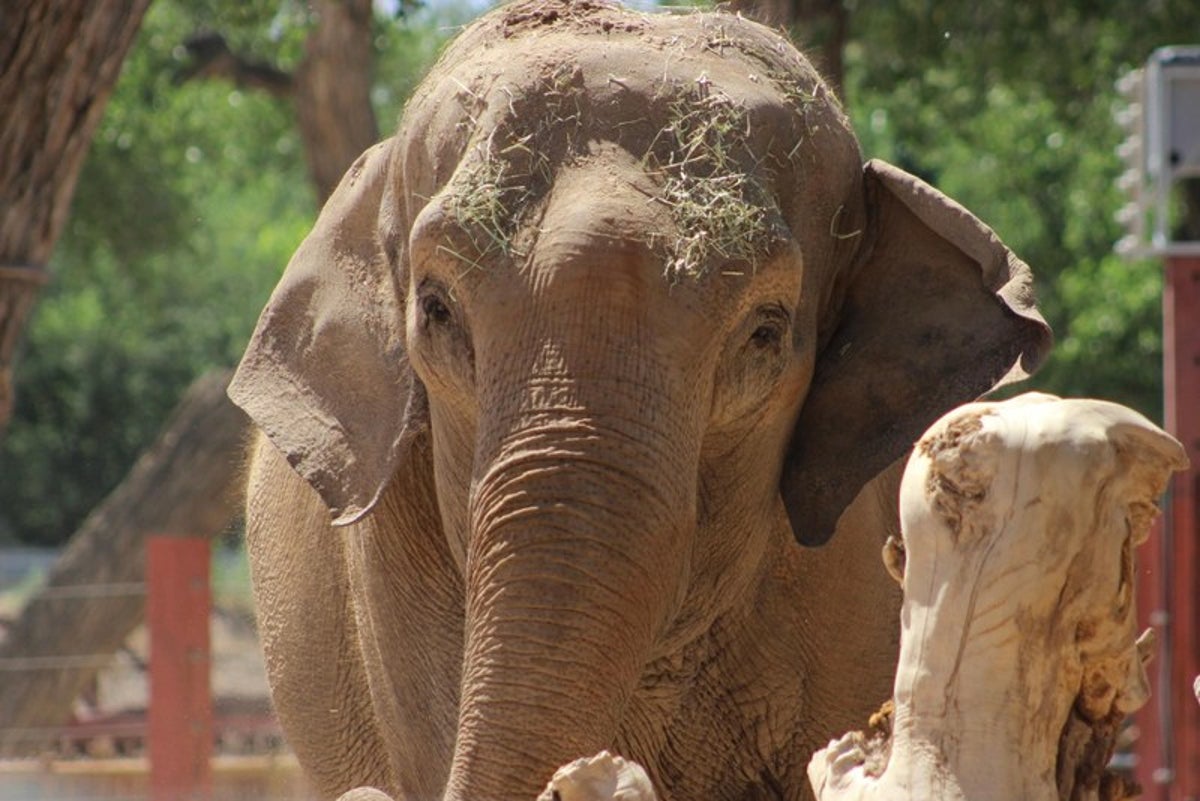
Vinnie didn't want a fight. She just wanted to see what was on the other side of the fence. On a quiet evening at the ABQ BioPark in Albuquerque, New Mexico, a massive African elephant decided the confines of her enclosure were more of a suggestion than a rule. She walked right through a gate. She didn't charge. She didn't trumpet in rage. She simply stepped out for a stroll. While the headlines called it a "night out," the reality of a multi-ton animal wandering through a public facility is a nightmare for zoo directors and a fascinating study in animal psychology for the rest of us.
The Albuquerque Elephant Escape was No Accident
Modern zoo enclosures are designed to be psychological barriers as much as physical ones. For an elephant like Vinnie to leave her designated space, something in the protocol or the hardware failed. At the ABQ BioPark, the incident happened during a transition period when the elephants were being moved between different areas of their habitat. For an alternative view, consider: this related article.
Zoos use a system of "double-door" entries and heavy-duty hydraulic gates. In Vinnie's case, a gate wasn't fully latched or the mechanism didn't engage the way the keepers thought it did. She found the weak point. Elephants are incredibly tactile. They use their trunks to feel for vibrations, heat, and give in metal structures. If a bolt is loose, they'll find it. If a gate has an inch of play, they'll push. Vinnie pushed.
This isn't just about a broken latch. It's about the intelligence of the species. We often underestimate how much these animals observe our routines. They know when the shift changes. They know which keepers are strict and which ones might be distracted. Vinnie saw an opening and took it. Further reporting on the subject has been published by The Washington Post.
What Really Happens During a Code Red Zoo Escape
When an elephant gets loose, the "Code Red" isn't like a movie. There aren't guys with machine guns running around. It's a slow, tense, and incredibly quiet process. You don't want to spook a five-ton animal that can flip a car like a pancake.
- Immediate Lockdown: The first step is getting every human into a building. At the BioPark, staff acted fast. They cleared the immediate vicinity of the elephant habitat.
- The Perimeter Team: Expert handlers stayed back but kept eyes on her. They used "positive reinforcement" tools—basically, the world's best snacks—to lure her back.
- The Chemical Option: Tranquilizers are a last resort. Why? Because an elephant hit with a dart doesn't just fall asleep instantly. They get confused, scared, and might run. A running elephant is a bulldozer. Luckily, the BioPark team didn't need to go there.
Vinnie was out for about 20 minutes. She stayed near the "Elephant Valley" area. She didn't try to catch a bus or find a green chile burrito. She mostly stood around, smelling the air and looking at the trees she usually only sees from behind a cable fence.
The Elephant in the Room is Zoo Ethics
Every time an animal escapes, the internet explodes with the same debate. Should they be there at all? It's a fair question. The ABQ BioPark is an AZA-accredited facility. That means they meet the highest standards for animal care in the world. But even the best cage is still a cage.
Critics argue that "boredom" leads to these escapes. Biologists call it "exploratory behavior." Elephants in the wild roam miles every day. In a zoo, even a great one, their world is static. Vinnie's "night out" was likely a result of pure curiosity. When she saw the gate wasn't right, her instinct told her to explore.
We have to look at the trade-off. Zoos like the BioPark run massive conservation programs. They fund anti-poaching units in Africa. They educate kids who will never see a savannah. But the price of that education is the occasional headline about a wandering pachyderm. It's a messy, complicated reality that doesn't fit into a neat "zoos are bad" or "zoos are good" box.
Why Elephant Security is Moving Toward AI and Automation
The BioPark incident proves that human error is the biggest risk in animal management. We get tired. We forget to double-check a lever. We think the gate clicked when it didn't.
Many top-tier zoos are now moving toward automated sensor systems. Imagine a world where a gate sends a push notification to every keeper's phone if it's not locked by 5:00 PM. We're seeing infrared "tripwires" that alert security if an animal crosses a specific GPS coordinate. These aren't just gadgets. They're the only way to ensure that a "little night out" doesn't turn into a tragedy.
The Albuquerque team is already reviewing their physical hardware. They'll likely add more redundant locks. They'll change the "sight lines" so keepers can see the latch from further away. It's an arms race between human engineering and elephant intelligence.
How to Stay Safe if You Ever Encounter an Escaped Zoo Animal
It's unlikely you'll ever be face-to-face with an elephant in a parking lot, but it happens. If it does, stop being a tourist. Put the phone away.
- Don't scream. High-pitched noises signal distress and can agitate an animal that is already stressed by a new environment.
- Give them space. An elephant's personal bubble is huge. If you're within 50 feet, you're in the danger zone.
- Don't run blindly. Move sideways out of their line of sight. Most large animals have poor depth perception but excellent motion tracking.
- Find high ground or a sturdy building. A car is not a safe place. An elephant can roll a sedan without breaking a sweat.
Vinnie is back in her enclosure now. She's fine. The keepers say she's acting like nothing happened. But the BioPark won't forget. This was a "near miss," the kind of event that forces a total re-evaluation of safety.
If you want to support the animals and ensure their safety, check the accreditation of the zoos you visit. Look for the AZA (Association of Zoos and Aquariums) seal. These facilities are the ones that actually report these incidents and learn from them, rather than hiding them. Stay informed about local zoo bond measures that fund these much-needed security upgrades. Vinnie got lucky this time, and so did we. Don't wait for a second chance to fix a broken gate.