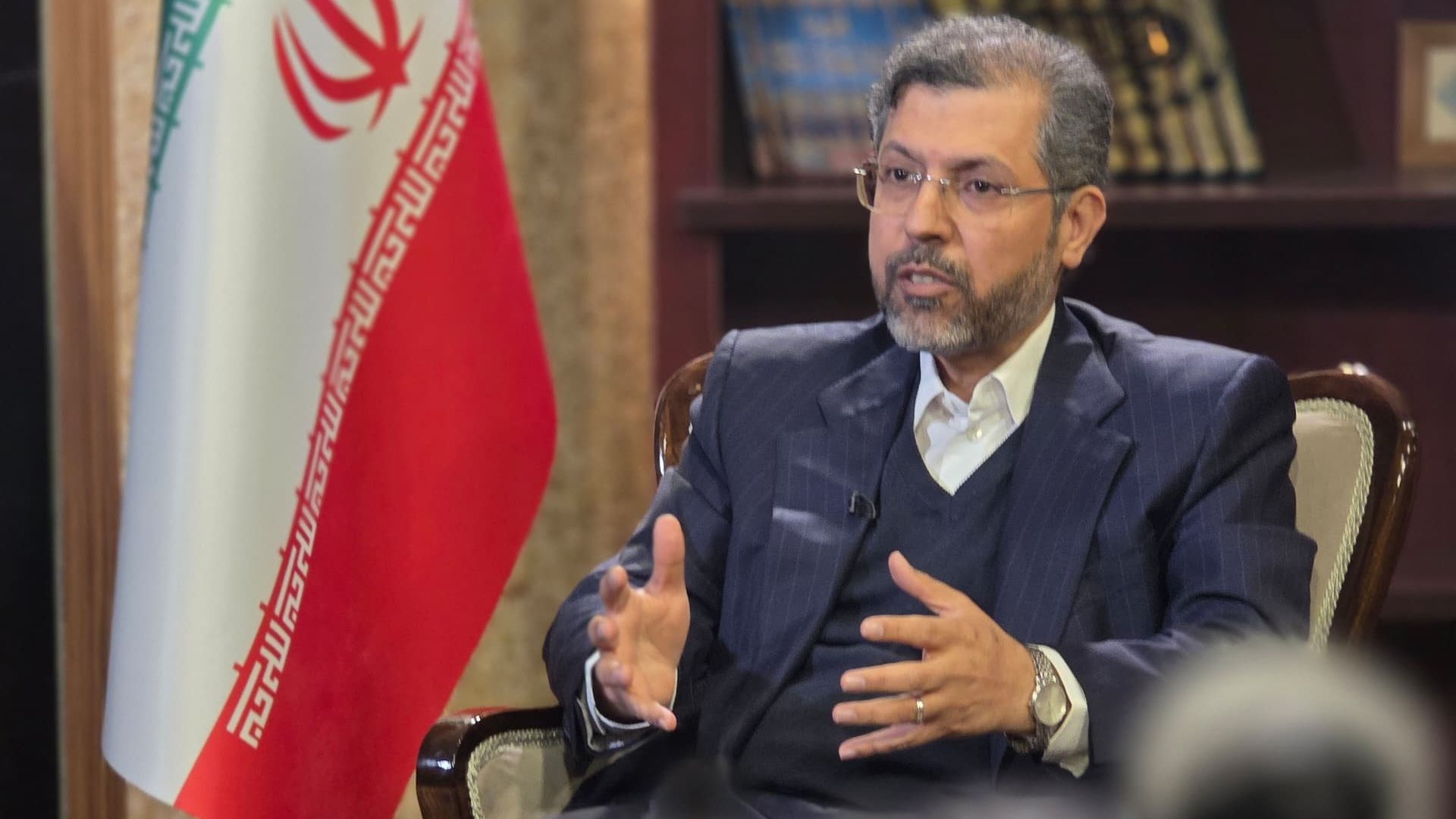
The "Vietnam" bogeyman is the safest, laziest trope in the history of foreign policy. Every time a deputy minister from a hostile power goes on a major news network to warn of "boots on the ground" and "another Vietnam," they aren't offering a historical lesson. They are running a psychological operation. When Iran's deputy foreign minister tells the world that a US intervention would mirror the 1960s quagmire, he is counting on your historical illiteracy. He is betting that you remember the helicopters in Saigon but forget the actual mechanics of modern power.
The comparison is a fraud. It ignores the reality of 21st-century logistics, the evaporation of the Cold War bipolarity, and the specific, brittle nature of the Iranian state. Calling it "another Vietnam" isn't a warning; it’s a shield.
The Myth of the Infinite Guerilla
The core of the Vietnam myth is the idea of an unstoppable, grassroots insurgency fueled by nationalism and backed by a superpower peer. This is the first point where the deputy minister’s logic falls apart.
In Vietnam, the North had the Soviet Union and China pouring in hardware, fuel, and engineers. They had a land border that allowed for constant replenishment. Iran has no such patron. While Russia and China may play spoiler roles in the UN or engage in small-scale drone trades, neither is prepared to bankroll a total war against a US-led coalition to save the Islamic Republic.
Furthermore, the "grassroots" element in Iran is a fantasy. I have sat in rooms with analysts who still think it’s 1979. It isn't. The demographic reality of Iran is a young, tech-literate population that views the clerical establishment as an occupying force, not a revolutionary vanguard. You cannot have a "Vietnam-style" insurgency when the local population is waiting for the chance to tear down the statues of the people you’re supposed to be defending.
The Logistics of the Deep Strike
If the US puts "boots on the ground," it won't look like the 1st Cavalry Division hacking through the jungle. We need to stop pretending that 1965 military doctrine has any relevance to 2026 capabilities.
- Air Dominance is Absolute: In Vietnam, the US faced a sophisticated integrated air defense system (IADS) and MiGs. In a modern conflict with Iran, their air "force" is a collection of museum pieces.
- The Intelligence Gap: We aren't looking for snipers in the brush. We are looking for command-and-control nodes via persistent, high-altitude surveillance that makes the Ho Chi Minh trail look like a highway.
- The Target Set: Iran is a centralized, industrial state. Unlike the decentralized agrarian economy of North Vietnam, Iran’s survival depends on a handful of vulnerable nodes: oil terminals, power grids, and a single port at Bandar Abbas.
The deputy minister wants you to think of a long, grinding war of attrition. The reality is a systematic dismantling of the state’s ability to function as a coherent entity within forty-eight hours.
Why "Boots on the Ground" is a Distraction
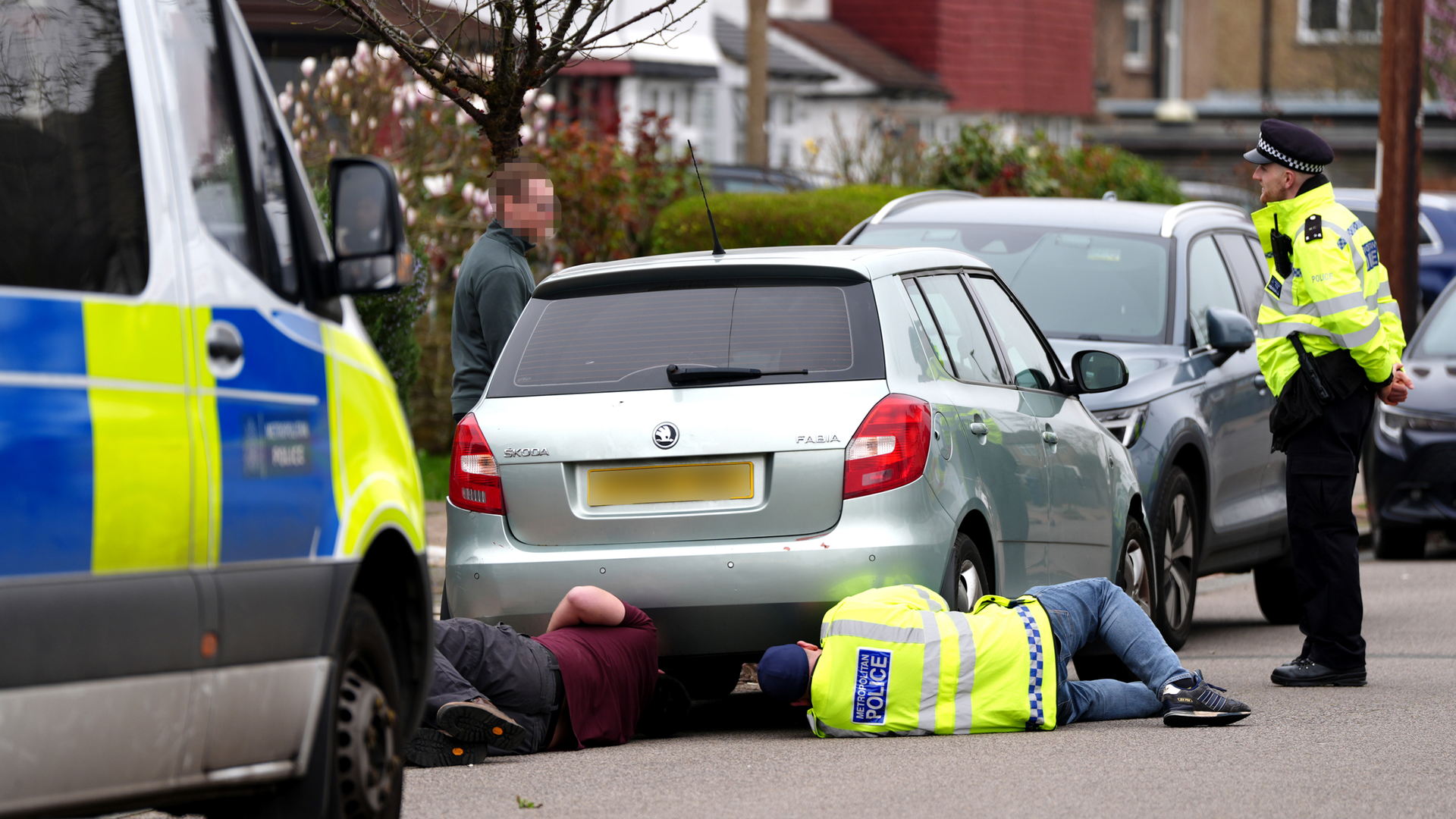
The loudest part of the Sky News interview was the obsession with infantry. This is a classic "People Also Ask" trap: Will there be a draft? Is this another Iraq? You’re asking the wrong questions. The "boots" aren't the point. In modern warfare, physical occupation is often a sign of failure, not a metric of success. The threat to Iran isn't a Marine division marching on Tehran; it’s the total neutralization of their proxy networks—the "Axis of Resistance"—without the US ever needing to hold a single city.
By focusing on the Vietnam analogy, Iran’s leadership tries to frame the conflict as an American choice between "doing nothing" and "endless war." They want to erase the middle ground: the surgical, high-intensity decapitation of their regional influence.
The Regime’s Greatest Fear: The Internal Front
The deputy minister’s bravado hides a terrifying truth for the IRGC: they are more afraid of their own people than they are of American tanks.
In Vietnam, the Viet Cong used the population as a sea to swim in. In Iran, the regime uses the population as a hostage. If a conflict breaks out, the "Vietnam" scenario fails because the internal security apparatus—the Basij and the IRGC—would have to fight on two fronts. They would be fighting an external high-tech military and an internal uprising simultaneously.
I’ve seen how these regimes crumble when the veneer of invincibility slips. It happened in 1953, it happened in 1979, and the structural pressures today are ten times higher. The deputy minister talks about "American bodies" because he cannot afford to talk about "Iranian protestors."
The Cost of the "Vietnam" Hesitation
When Western policymakers buy into this analogy, they grant Iran a "free pass" to escalate. If you believe any intervention leads to a twenty-year quagmire, you become paralyzed. This paralysis is exactly what allows Tehran to fund the Houthis, arm Hezbollah, and accelerate their nuclear program.
The "Vietnam" label is a tax on Western willpower. We pay it every time we let a mid-level diplomat define the terms of the engagement.
The Real Risks Nobody Mentions
I’m not saying an intervention is a walk in the park. It’s not. But the risks aren't "Vietnam." They are:
- Global Energy Shock: The closure of the Strait of Hormuz is a real, mathematical threat to the global economy. $200-a-barrel oil is a much more effective weapon than a Kalashnikov.
- Proxy Metastasis: When a cornered animal can't bite you, it sends its fleas. Expect cyberattacks on Western infrastructure and low-level terror cells in Europe and the US.
- The Power Vacuum: The danger isn't that the US can't win; it's that the US wins too fast and has no plan for the day after the regime evaporates.
Stop Reading the Script
The next time you hear a diplomat invoke Vietnam, Iraq, or "the graveyard of empires," recognize it for what it is: a desperate plea for you to stay home while they rewrite the map. The deputy minister is playing a character in a play that ended fifty years ago.
The US doesn't face another Vietnam. It faces a decision on whether to allow a regional actor to use a dead historical analogy to paralyze the most powerful military in human history.
Stop asking if we’re going back to the jungle. Ask why we’re letting them tell us where the jungle is.
Stop looking for the ghosts of 1968 and start looking at the vulnerabilities of 2026.