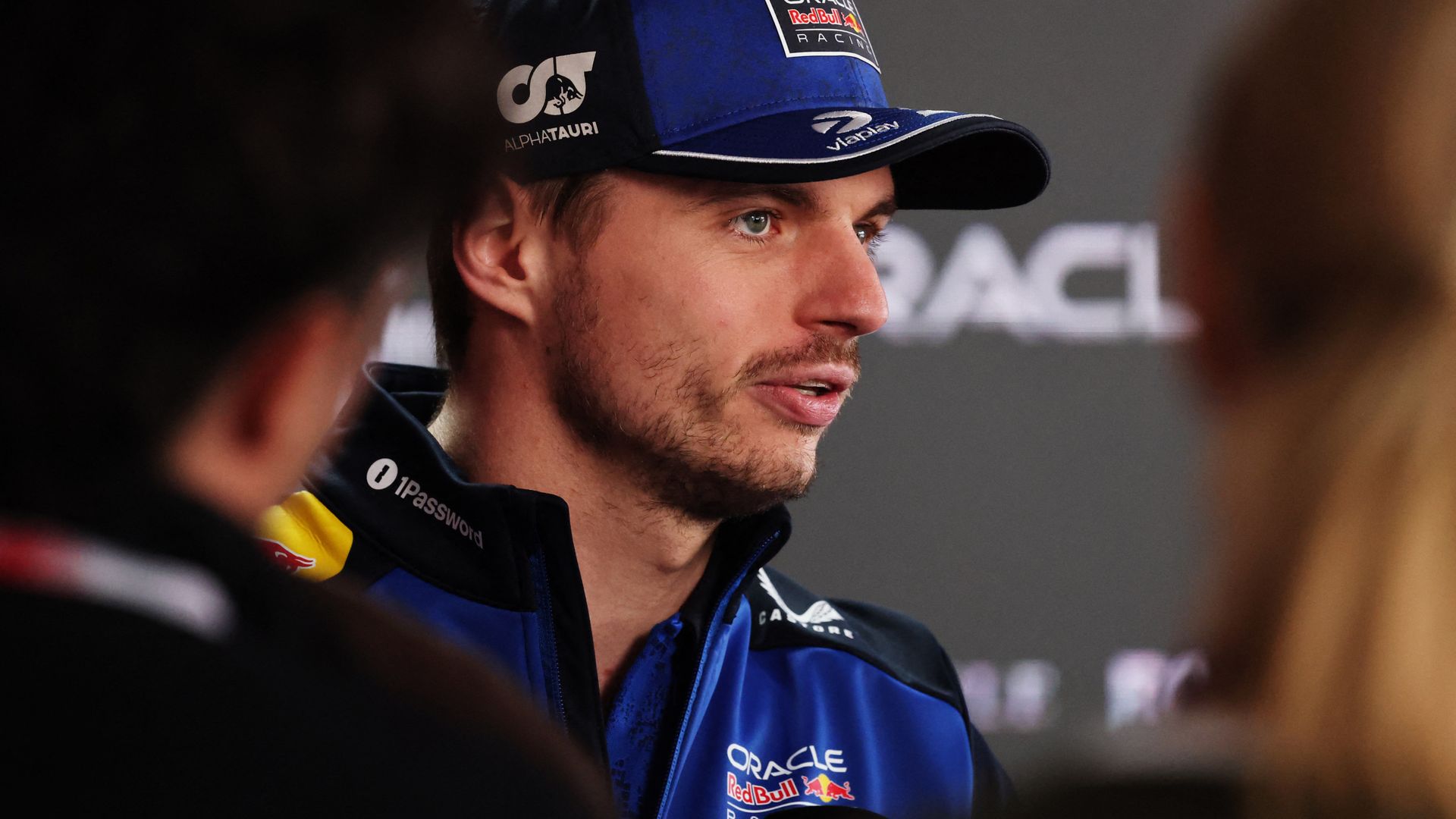
The headlines scream about "petulance" and "unprofessionalism." The pearl-clutching from the legacy media is deafening. Max Verstappen allegedly "kicks out" a journalist, and the world acts like he’s committed a cardinal sin against the sport.
They are wrong. They are bored, and they are wrong.
What you witnessed wasn't a tantrum. It was a long-overdue correction of a broken ecosystem. For decades, the Formula 1 press conference has been a stale, scripted exercise in PR-managed banality. We’ve accepted a status quo where drivers are expected to be quote-generating robots for outlets that prioritize clickbait over technical insight. Max Verstappen just signaled that the era of the "polite puppet" is over, and frankly, it’s about time.
The Myth of the Access Entitlement
The common grievance among the F1 traveling circus is that drivers "owe" the media their time. This is a fundamental misunderstanding of the modern sporting economy. In the 1990s, a journalist was the only bridge between a driver and the fans. If you didn’t talk to the reporter from L'Équipe or Autosport, you didn’t exist to the public.
That world is dead.
Verstappen has millions of followers across social platforms. He can reach his audience directly, without the filter of a journalist looking for a "gotcha" moment to juice their Friday afternoon traffic. When the media stops acting as a bridge and starts acting as a tripwire, they lose their right to the room.
I’ve sat in these paddocks. I’ve watched "journalists" ask the same derivative questions for three days straight, hoping for a slip of the tongue they can turn into a controversy. Verstappen didn't kick out a truth-seeker; he evicted a distraction.
Logic vs. Sentimentality
Let’s look at the data of human performance. Formula 1 is a sport of marginal gains, measured in milliseconds. The mental load on a driver during a race weekend is astronomical. Every minute spent answering a question about "how it feels" to be in second place is a minute stolen from data review, engineering debriefs, and recovery.
If a team principal finds a part that slows the car down by $0.05$ seconds, they throw it in the bin. If a journalist creates a mental friction that slows the driver down by the same margin, why are we surprised when the driver removes that friction?
The "lazy consensus" argues that these interactions are part of the job. I argue that the only job is winning. Everything else is secondary. If the FIA or the media wants better access, they need to provide a better product. The current press conference format is a relic. It’s a 20th-century solution to a 21st-century reality.
The Death of the Scripted Driver
We spent years complaining that drivers were too corporate. We mourned the loss of the "characters" like James Hunt or Ayrton Senna—men who spoke their minds and didn't care about the optics.
Now, we have a three-time World Champion who refuses to play the game, and the same people who cried for "authenticity" are now calling for "decorum." You cannot have both. You cannot demand a raw, competitive animal on the track and then expect a submissive diplomat in the media center.
Verstappen’s bluntness is his superpower. It’s what makes him a predator in the cockpit. To ask him to switch that off the moment he unbuckles his harness is not only unrealistic; it’s an insult to the intensity of the sport.
The Real Power Dynamic
Wait for the "think pieces" about how this hurts the sport’s image. It doesn't. Conflict drives engagement. This "incident" has generated more conversation than the actual race results ever could.
The FIA knows this. Liberty Media knows this.
They need Verstappen more than he needs them. He is the alpha in this equation. When he draws a line in the sand, it’s not because he’s "out of control." It’s because he knows exactly where the power lies.
- Journalists need the driver for content.
- Sponsors need the driver for visibility.
- Fans need the driver for the show.
What does the driver need from a hostile or repetitive press corps? Absolutely nothing.
Stop Asking Flawed Questions
People often ask: "Should the FIA punish Verstappen for his attitude?"
The premise is flawed. The question should be: "Why is the FIA forcing elite athletes into high-tension environments with people they don't trust?"
If you want better answers, ask better questions. If you want a driver to respect the process, make the process respectable. When the media focuses on manufactured drama—like tracking who unfollowed whom on Instagram or digging into personal lives—they forfeit the high ground.
I’ve seen drivers shut down because the "questions" were actually just statements disguised with a question mark at the end. "Max, you must be disappointed with the tire degradation, right?" That isn't journalism; it's a prompt for a canned response. Verstappen is simply refusing to read the script.
The Risk of the Silent Grid
There is a downside to this, and we should be honest about it. If every driver follows the Verstappen model, the "access" that fans crave will vanish. We risk a future where drivers only speak through heavily sanitized, team-approved YouTube videos.
But that’s a price worth paying to kill the current era of the F1 presser. It’s a broken machine. If the journalists don't like getting the boot, they have a simple solution: be more useful than a nuisance.
Until that happens, the silence of a driver is the loudest, most honest feedback the sport can give.
Max Verstappen didn't just kick a journalist out of a room. He kicked the door wide open for a much-needed conversation about who really owns the narrative in modern sports. It's time for the media to adapt or exit.
The sport doesn't owe you a quote. You owe the sport a reason to keep the door open.