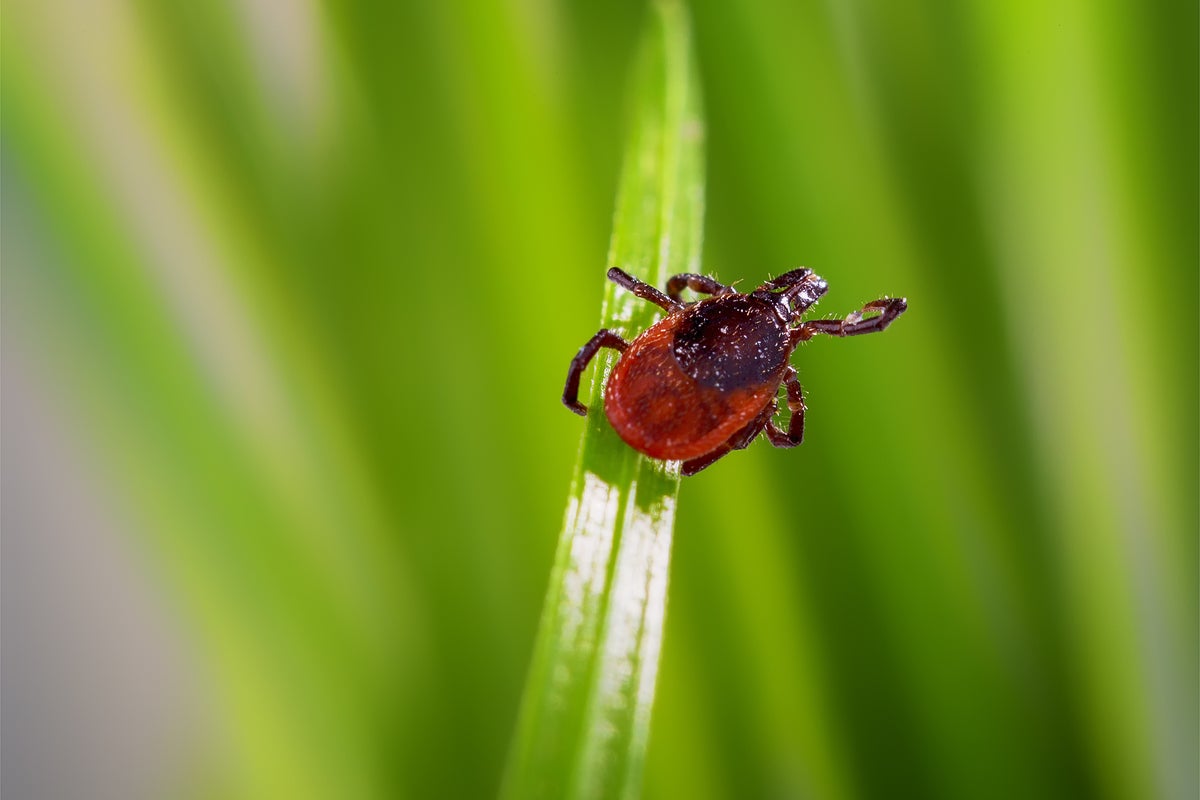
Alpha-gal syndrome (AGS) represents a fundamental shift in immunological understanding because it is the only known IgE-mediated food allergy triggered by a carbohydrate rather than a protein. While traditional allergies like those to peanuts or shellfish manifest within minutes of ingestion, AGS operates on a delayed metabolic timeline, typically surfacing 3 to 8 hours after the consumption of mammalian products. This temporal gap is not an anomaly but a direct consequence of how the human body processes complex lipids and glycolipids. Understanding the biological bottleneck of AGS requires a deconstruction of the sensitization event—primarily the bite of the Lone Star tick (Amblyomma americanum)—and the subsequent biochemical cascade involving galactose-alpha-1,3-galactose.
The Molecular Mechanism of Sensitization
The pathology begins with the introduction of alpha-gal into the human bloodstream via tick saliva. Alpha-gal is a sugar molecule found in most mammals but notably absent in humans, apes, and Old World monkeys. Evolutionarily, our ancestors lost the functional GGTA1 gene, which produces the enzyme $\alpha1,3$-galactosyltransferase necessary to synthesize this sugar. As a result, the human immune system recognizes alpha-gal as a foreign antigen.
When a Lone Star tick feeds on a mammal—such as a deer or a dog—it can ingest alpha-gal. During a subsequent feeding on a human, the tick injects saliva containing these carbohydrate molecules along with various enzymes and anticoagulants. This specific delivery method, bypassing the digestive tract and entering the dermis, triggers a Type I hypersensitivity response. The immune system produces specific Immunoglobulin E (IgE) antibodies tailored to recognize the alpha-gal epitope. Once sensitized, the individual's mast cells and basophils are "primed." Subsequent exposure to the carbohydrate through ingestion of mammalian meat or byproducts initiates a systemic inflammatory response.
The Digestion Variable and Delayed Anaphylaxis
The primary diagnostic challenge of AGS is the 3-to-8-hour delay in symptom onset. In protein-based allergies, the allergen is rapidly identified by the immune system upon contact with the mucosal lining or early digestion. In contrast, alpha-gal is often bound to lipids (fats) or embedded within complex glycoproteins.
The metabolic pathway of fats involves the formation of chylomicrons in the small intestine. These chylomicrons transport the alpha-gal-bearing lipids through the lymphatic system before they eventually enter the bloodstream. This transport process is inherently slow. The delayed reaction occurs precisely when the concentration of these alpha-gal-carrying particles peaks in the circulatory system, leading to the simultaneous degranulation of primed mast cells across multiple organ systems.
Diagnostic Pillars and Categorical Severity
Clinical identification of AGS relies on three distinct diagnostic pillars. Relying on any single metric often leads to misdiagnosis or underreporting.
- Clinical History and Symptom Correlation: Patients report recurrent episodes of gastrointestinal distress, urticaria (hives), or anaphylaxis that occur exclusively in the late evening or early morning hours following a high-protein/high-fat dinner.
- Blood Testing for Alpha-gal sIgE: A definitive diagnosis requires a serum test showing elevated levels of IgE antibodies specific to galactose-alpha-1,3-galactose. A concentration $\ge 0.1$ kU/L is generally considered positive, though the severity of the reaction does not always correlate linearly with the antibody titer.
- Total IgE Comparison: The ratio of alpha-gal-specific IgE to total IgE provides a more accurate picture of clinical sensitivity. If alpha-gal IgE represents more than 1% of the total IgE, the probability of a systemic reaction increases significantly.
Variability in Trigger Sensitivity
Not all mammalian products elicit the same response. The concentration of alpha-gal varies by tissue type and processing method.
- High-Density Triggers: Organ meats (kidneys, liver) contain the highest concentrations of alpha-gal. Patients who can tolerate small amounts of lean beef may experience life-threatening anaphylaxis after consuming "variety meats."
- Moderate-Density Triggers: Skeletal muscle from cows, pigs, sheep, and goats.
- Low-Density/Derivative Triggers: Dairy products, gelatin (found in marshmallows and many medications), and magnesium stearate. While many AGS patients can tolerate dairy, a subset experiences chronic gastrointestinal inflammation that is often misattributed to lactose intolerance or IBS.
Geographic Expansion and Environmental Drivers
The prevalence of AGS is inextricably linked to the expanding range of Amblyomma americanum. Originally confined to the southeastern United States, the Lone Star tick has migrated northward and westward. This expansion is driven by two primary environmental factors:
- Host Density: The overpopulation of white-tailed deer, the primary reproductive host for adult Lone Star ticks, facilitates rapid population growth and dispersal.
- Climatic Shifts: Shorter, milder winters increase the survival rates of over-wintering nymphs, extending the "questing" season where ticks are actively seeking hosts.
The Centers for Disease Control and Prevention (CDC) estimates that hundreds of thousands of Americans have been affected since 2010, yet the condition remains under-recognized in non-endemic areas. This creates a geographic "knowledge gap" where emergency department physicians in the Midwest or Northeast may fail to connect a 2:00 AM anaphylactic event to a hamburger consumed at 7:00 PM.
Operational Management and Mitigation Strategies
For the diagnosed individual, management is not merely a diet but a rigorous operational overhaul of consumption. The "Three-Tiered Avoidance Model" is the most effective framework for mitigating risk.
Tier 1: Total Mammalian Meat Exclusion
Eliminate all products derived from four-legged mammals. This includes beef, pork, lamb, venison, and bison. Poultry (chicken, turkey) and seafood do not contain alpha-gal and are safe for consumption.
Tier 2: Hidden Derivative Auditing
This tier addresses the "industrialized alpha-gal" found in processed goods. Patients must audit labels for:
- Gelatin: Often used as a stabilizer in vaccines, capsules, and desserts.
- Lanolin: Sheep wool grease used in some cosmetics and Vitamin D3 supplements.
- Magnesium Stearate: A flow agent in pharmaceuticals often derived from bovine sources.
- Natural Flavoring: In some jurisdictions, this can include hydrolyzed animal proteins.
Tier 3: Environmental Protection
Preventing further tick bites is critical. Evidence suggests that repeated bites from Amblyomma americanum can "boost" the immune system's production of alpha-gal IgE, worsening the allergy or preventing the antibody levels from naturally declining over time. This involves the use of permethrin-treated clothing and DEET-based repellents when entering wooded or grassy areas.
The Pharmaceutical Bottleneck
The most significant risk to AGS patients often comes from the healthcare system itself. Several life-saving medical interventions utilize mammalian-derived components:
- Monoclonal Antibodies: Certain biologics, most notably Cetuximab (used in cancer treatment), are produced in mouse cell lines that naturally express alpha-gal. This can cause immediate, fatal reactions upon infusion.
- Replacement Valves: Porcine or bovine heart valve replacements carry the alpha-gal epitope and can trigger chronic inflammatory responses in sensitized patients.
- Heparin: This common anticoagulant is typically derived from porcine intestinal mucosa or bovine lung.
Surgeons and anesthesiologists must be notified of an AGS diagnosis to ensure the use of synthetic or non-mammalian alternatives during procedures.
Prognosis and Immunological Recession
Unlike many childhood food allergies, AGS is not necessarily permanent, provided the patient avoids further tick exposure. The half-life of alpha-gal IgE antibodies varies, but in the absence of new bites, titers can decrease over a period of 18 to 36 months. Some patients may eventually be able to reintroduce dairy or lean meats, though this must be done under strict clinical supervision with an oral food challenge (OFC).
The strategic imperative for any individual suspected of having AGS is the immediate cessation of mammalian meat consumption followed by a quantitative IgE blood panel. Because the "dose-response" curve for alpha-gal is highly individualized and influenced by factors like alcohol consumption and exercise (which can lower the threshold for anaphylaxis), the only safe baseline is total avoidance during the initial stabilization phase.
Clinicians must transition from viewing AGS as a rare curiosity to a standard differential diagnosis for idiopathic anaphylaxis and unexplained nocturnal gastrointestinal distress. The expansion of the Lone Star tick ensures that this is no longer a regional issue but a national public health priority requiring standardized diagnostic protocols across all primary care settings.
Would you like me to generate a specific elimination diet plan or a checklist for auditing pharmaceutical ingredients for alpha-gal derivatives?