The radar screen is a steady, rhythmic pulse of green. It is the heartbeat of a multi-billion-dollar machine. For the pilot inside an American fighter jet, that screen represents the ultimate safety net, a digital assurance that they are the apex predator of the skies. But when that pulse stops, the silence that follows is deafening. It isn't just a technical failure. It is the moment a human being becomes a ghost in the machine.
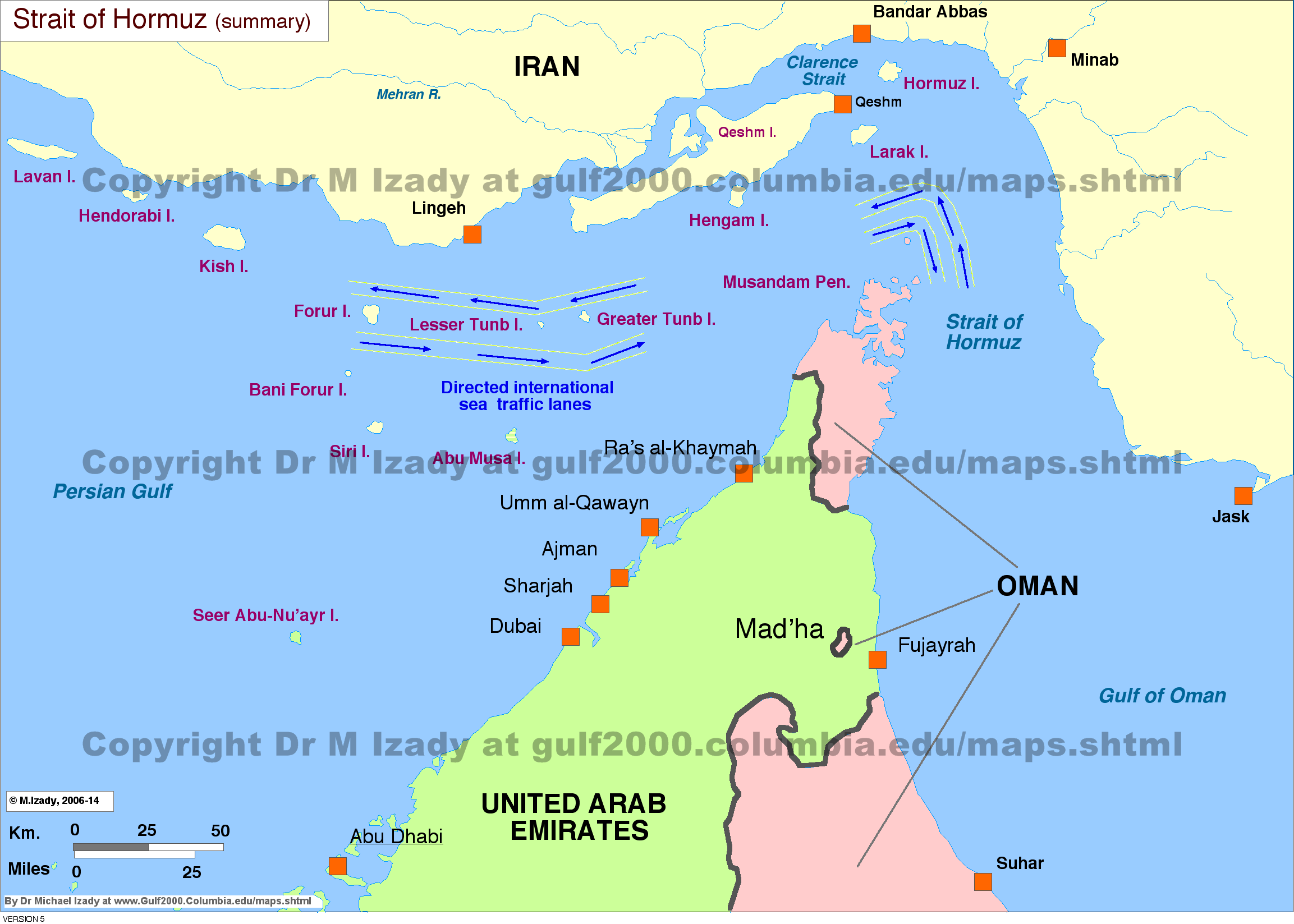
High above the shimmering heat of the Persian Gulf, the air is thin and unforgiving. Here, the geopolitical tension isn't a headline in a Sunday paper; it’s a physical weight pressing against the chest of every aviator. When news broke that an American fighter jet had gone down, the machinery of international diplomacy didn’t just grind; it screamed. In Tehran, Mohammad Bagher Ghalibaf, the Speaker of the Iranian Parliament, didn't reach for a de-escalation manual. He reached for a microphone.
"Can anyone find our pilots? Please?"
The words weren't a genuine inquiry. They were a serrated edge, a public mockery designed to pierce the veil of American military invincibility. Ghalibaf wasn't just talking about a lost aircraft. He was talking about the fragility of power in a theater where a single mechanical glitch or a well-placed missile can turn a technological marvel into a pile of sinking scrap metal.
The Anatomy of an Invisible Crisis
Imagine the cockpit of an F-15 or an F-35. It is a masterpiece of ergonomics and lethality. Every switch is positioned for a gloved hand; every display is calibrated to filter out the noise of the world and focus on the kill. The pilot isn't just flying a plane; they are wearing it.
When a jet disappears, the first casualty is the narrative of control. We like to believe that GPS, satellite uplinks, and encrypted transponders make "losing" someone impossible. We live in an era where you can track a pizza delivery to your front door in real-time. Yet, the ocean is vast. The desert is vaster. And the electronic warfare capabilities of a motivated adversary can turn the most sophisticated tracking systems into expensive junk.
Consider the hypothetical—but very real—experience of a Search and Rescue (SAR) coordinator. Your headset is filled with static. You have a last known coordinate, a "ping" that may or may not be a ghost image reflected off a thermal layer in the atmosphere. You are looking for a needle in a haystack, except the haystack is the size of a sovereign nation and the needle is actively trying to stay hidden from people who want to capture it.
The mockery from the Iranian leadership targets this exact vulnerability. By asking "Can anyone find them?" they are highlighting the terrifying gap between having the world's most advanced air force and actually being able to protect the individuals who fly it. It is a psychological strike aimed at the families waiting at home, the wingmen still in the air, and the taxpayers wondering where their trillions of dollars went.
The Theater of the Absurd
Modern warfare has moved beyond the exchange of kinetic energy. We aren't just trading bullets or missiles; we are trading perceptions. Ghalibaf's taunt was a masterful bit of political theater. It transformed a potential tragedy into a punchline for a domestic audience, reinforcing the image of the United States as a bumbling giant—mighty in muscle but failing in its basic senses.
Behind the bravado lies a much darker reality. For the pilot who has ejected, the world has shrunk to the size of a life raft or a patch of sand. The high-tech suit, the helmet with the heads-up display, the connection to a global command structure—it all vanishes. They are left with a survival kit, a sidearm, and the hope that the "invisible" threads connecting them to their fleet haven't been severed.
This is the invisible stake of the conflict. It’s the human life used as a bargaining chip before the parachute even hits the ground. When a foreign official mocks the search efforts, they are signaling that the rules of engagement have shifted from the battlefield to the digital town square. They are betting that the embarrassment of a failed rescue is more damaging than the loss of the hardware itself.
The Ghost in the Signal
Why is it so hard to find a downed pilot in 2026?
The answer lies in the very technology meant to save them. Stealth is a double-edged sword. To make a jet invisible to an enemy, you often make it harder for friends to track in an emergency. If the transponder is damaged or intentionally silenced to avoid drawing enemy fire, the pilot becomes a black hole in the sky.
Electronic counter-measures (ECM) add another layer of chaos. In the crowded airspace over the Middle East, the "noise" is constant. Radio jamming, GPS spoofing, and false-target generation are the standard background radiation of the region. A pilot in distress might be shouting into a void where the very air around them has been turned into a wall of static by ground-based jammers.
Metaphorically, it’s like trying to find a friend in a crowded, pitch-black stadium while everyone else is screaming and shining flashlights in your eyes. The mocking question from Tehran wasn't just a jab at American incompetence; it was a boast about their own ability to muddy the waters. They weren't just asking where the pilots were. They were implying that they were the ones holding the blindfold.
The Weight of the Silence
We often talk about "strategic assets" and "force projection." These are cold, bloodless terms that mask the visceral reality of a cockpit fire or a sudden loss of cabin pressure. The real story isn't the cost of the airframe, which is measured in millions. The real story is the pilot's heart rate, which is measured in survival.
When the Iranian Speaker laughed, he was laughing at the intimacy of that fear. He was mocking the bond between a country and its soldiers. For the military community, a downed pilot is a wound. It triggers a frantic, all-hands effort that ignores budgets and boundaries. The "Standard Operating Procedure" for a downed aviator is a symphony of desperation and precision, involving everything from low-orbit satellites to special operations teams on the ground.
The friction between this noble effort and the cynical mockery of a geopolitical rival creates a volatile emotional cocktail. It turns a search mission into a high-stakes poker game where the "pot" is a human being’s life and the "chips" are the national pride of two nuclear-adjacent powers.
The Fragility of the Apex
There is a specific kind of hubris that comes with technological dominance. We assume that because we have the best sensors, we see everything. We assume that because we have the fastest jets, we can escape anything. But the history of flight is a history of gravity winning.
The incident in the Persian Gulf serves as a reminder that the "apex" is a very narrow place to stand. It takes only one failure—one bird strike, one micro-crack in a turbine blade, one lucky shot from an old anti-aircraft battery—to bring the whole edifice down. When that happens, the technology that defined the mission becomes irrelevant. What remains is the raw, human struggle to survive and the equally human struggle to find the lost.
Ghalibaf’s comments weren't just a critique of American SAR capabilities. They were a reminder that in the age of the drone and the smart bomb, the most vulnerable part of any weapon system is still the person inside it. By targeting that vulnerability with words, he bypassed the physical defenses of the U.S. military and went straight for the psychological jugular.
The Unseen Rescue
While the politicians argue and the speakers mock, the real work happens in the shadows. There are men and women whose entire lives are dedicated to the "unseen rescue." They don't care about the headlines. They don't care about the parliamentary speeches in Tehran. They care about the faint, rhythmic pulse of a beacon that says I am still here.
The search for a lost pilot is a race against two clocks: the physical clock of survival and the political clock of capture. Every hour that passes without a recovery is another hour that the narrative can be twisted, another hour for the mockery to settle into the public consciousness as a fact.
The ultimate tragedy is that in the noise of the geopolitical spat, the individual is often forgotten. The pilot becomes a symbol, a talking point, a way to score points on a global stage. We lose sight of the person who, just hours ago, was breathing filtered air and looking at the curve of the earth, only to find themselves suddenly plunged into a fight for their very existence.
The silence on the radar screen isn't just a technical gap. It is a space where the humanity of war is laid bare, stripped of its digital armor and left to wait for a signal that may never come.
In the end, the most powerful technology we possess isn't the radar or the jet engine. It is the refusal to leave someone behind, even when the world is laughing at the attempt. The mockery from across the water only highlights the depth of that commitment. They laugh because they see the effort as a weakness, a sentimental flaw in a cold machine. But for those flying the missions, that "flaw" is the only thing that makes the mission possible. It is the silent promise that no matter how far they fall, someone is looking.
The ocean remains vast. The desert remains hot. The radar pulse continues its steady, indifferent sweep. And somewhere in the quiet spaces between the pings, a human being waits for the world to stop talking and start looking.