Sarah sits at her kitchen table in Ohio, the blue light of her laptop illuminating a spreadsheet that doesn’t quite add up. For three months, she’s been tracking the news like a hawk. She heard the reports of a "bumper year" for tax refunds. The headlines promised that the average American would see a check nearly 10% larger than last year. For Sarah, that meant $3,200.
That money had a name. It was called "The New Transmission." Or maybe "The Credit Card Clean Slate." It was a rare moment of breathing room in a decade defined by suffocating prices.
But as she looks at the digits on her screen, a different number flickers on the news ticker in the background. Brent Crude oil is climbing. Tensions in the Middle East have shifted from a simmer to a boil. Suddenly, the math of her life is changing before the check even hits her mailbox. The extra $300 she expected from the IRS is being swallowed, cent by cent, by a conflict thousands of miles away.
This is the invisible tax. It is the phenomenon where geopolitical chaos acts as a giant vacuum, sucking the surplus out of the American household.
The Illusion of the Windfall
Early in the year, the economic data looked like a victory lap. The IRS reported that through the first quarter, refund amounts were surging. This wasn't magic; it was the result of technical adjustments to tax brackets and the shifting of inflationary markers. It was supposed to be the "economic bump" that fueled spring spending.
Retailers were ready. Car dealerships were dusting off their "Tax Time" banners. Even the Federal Reserve seemed cautiously optimistic that the American consumer had a secret reserve of cash to keep the engine running.
Then came the drones. Then came the intercepted missiles over the Red Sea. Then came the rhetoric from Tehran.
When Iran and Israel move from a shadow war to a direct confrontation, the world’s most sensitive nerve—the price of a barrel of oil—twitches. It doesn’t matter if Sarah in Ohio has never seen the Strait of Hormuz. She feels it when she pulls her SUV into the Shell station on Tuesday morning.
The Energy Siphon
To understand why a war in the Middle East erases a tax refund, you have to look at the "Energy Siphon."
Energy is the fundamental input for everything. It’s not just the gas in your tank. It’s the diesel in the truck that delivered the eggs to your grocery store. It’s the jet fuel for the plane carrying your Amazon package. It’s the electricity used to power the factory making your new shoes.
When the threat of an Iranian conflict spikes, oil speculators drive prices up based on the fear of supply disruptions. Even if a single drop of oil hasn't been lost yet, the risk is priced in immediately.
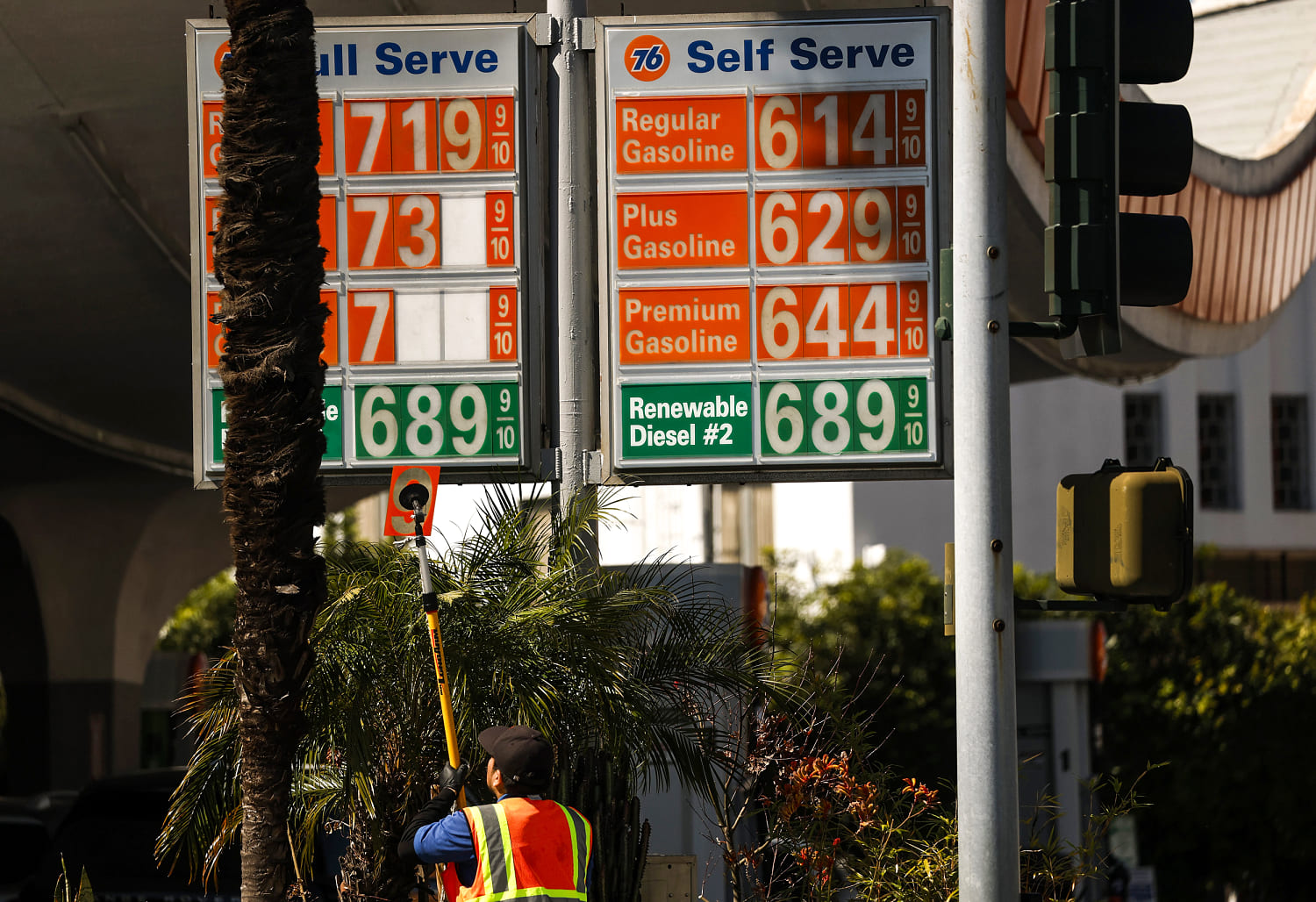
Consider the "Regressive Gas Tax." If gas prices rise by 50 cents a gallon, a commuter driving 30 miles a day spends roughly $30 to $40 more per month. Over the course of a year, that is $480. Just like that, the "bigger tax refund" Sarah was counting on hasn't just been neutralized—it’s been incinerated.
The math is brutal. For the bottom 60% of earners, a significant portion of their disposable income is sensitive to energy costs. While a billionaire doesn't change their spending habits when gas hits $5.00, Sarah has to decide between the new transmission and her daughter’s summer camp deposit.
The Psychology of the Shifting Goalpost
There is a specific kind of exhaustion that comes from being told you are winning, only to find the prize has been replaced by a bill.
The "wealth effect" is a psychological driver of the economy. When people feel richer—perhaps because their home value went up or they got a fat tax check—they spend more freely. This creates jobs. It creates momentum.
But geopolitical instability creates the "anxiety effect."
When the news cycle is dominated by images of ballistic missiles and talk of "World War III," people stop looking at the new TV in the Best Buy window. They start looking at their savings account. They tighten their grip on their wallets. They wait.
This waiting is poison for a consumer-driven economy. If millions of Sarahs decide to hold onto their tax refunds instead of spending them because they fear the price of bread will double by July, the "economic bump" becomes a flat line. The velocity of money slows to a crawl.
The Hidden Logistics of Conflict
Behind the headlines of "War in Iran" lies a boring, terrifying reality: shipping lanes.
About 20% of the world's total oil consumption passes through the Strait of Hormuz. It is a narrow choke point. Iran has the capability to harass, mine, or block this passage. If that happens, we aren't just talking about a 50-cent increase at the pump. We are talking about a global shock.
But it’s more than just oil. Global trade is a delicately choreographed dance of "just-in-time" delivery. War forces ships to take the long way around Africa. This adds weeks to delivery times. It adds millions in fuel costs for the shipping companies.
Those companies don't just eat those costs. They pass them to the brand. The brand passes them to the retailer. The retailer passes them to you.
Your tax refund is a static number. It is a fixed amount of USD printed on a piece of paper. But the value of that number is a liquid. It expands and contracts based on how much it costs to move a container from Shanghai to New Jersey. When a regional war breaks out, the "purchasing power" of your $3,000 refund shrivels like a grape in the sun.
The Fragility of the Rebound
We were told the "soft landing" was here. Inflation was supposed to be cooling. The interest rate hikes were supposed to be over. The bigger tax refunds were seen as the final piece of the puzzle to return us to a sense of normalcy.
But normalcy is a fragile thing. It relies on the assumption that the world’s energy-producing regions will remain at least somewhat functional.
When that assumption breaks, the government’s attempts to help the middle class become performative. Giving a family an extra $400 in tax credit is a nice gesture, but if the geopolitical climate raises their cost of living by $600, the government has essentially handed them a debt wrapped in a gift bow.
We are living through a period where the "macro" has become the "micro." The decisions made in bunkers in Tehran or war rooms in Tel Aviv are literally deciding whether or not a family in the suburbs can afford a vacation this year.
The Cost of Uncertainty
The most expensive thing in the world is uncertainty.
Businesses don't hire when they are uncertain. Investors don't build when they are uncertain. And families don't plan for the future when they don't know if the price of heating their home will triple by winter.
This is the real tragedy of the situation. The economic bump from the tax refunds was a chance for people to catch their breath. It was a moment of "getting ahead." Now, it has been transformed into a "buffer." People aren't using the money to improve their lives; they are using it to survive the volatility.
Sarah looks at her spreadsheet again. She deletes the line for the "New Transmission." She types in a new category: "Emergency Energy Fund."
She clicks save.
The screen goes dark, but the red light of the "Power" button stays on, a tiny, glowing reminder of the energy she can no longer afford to take for granted. The wind outside rattles the windowpane, and for the first time in years, she finds herself hoping for a short summer—because every degree the temperature rises is another cent of her refund gone to the cooling bill.
The check is in the mail. But the war has already cashed it.
Would you like me to analyze how specific interest rate changes might further impact this "siphon effect" on middle-class savings?