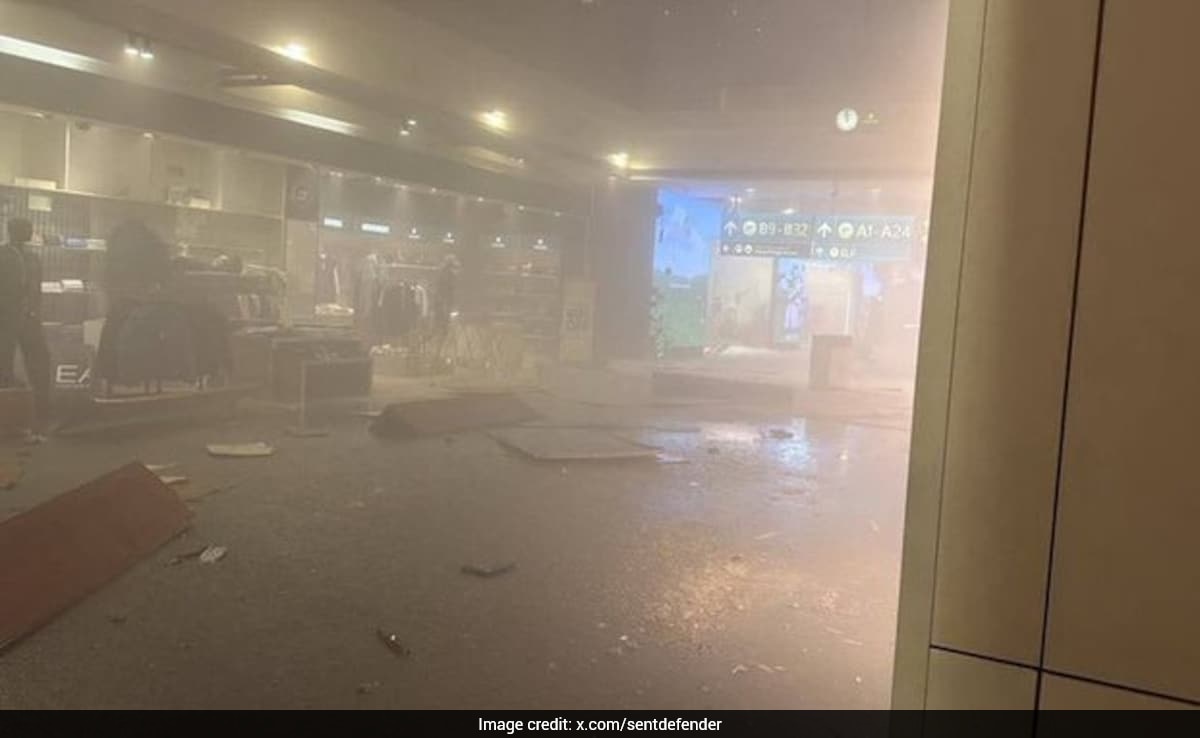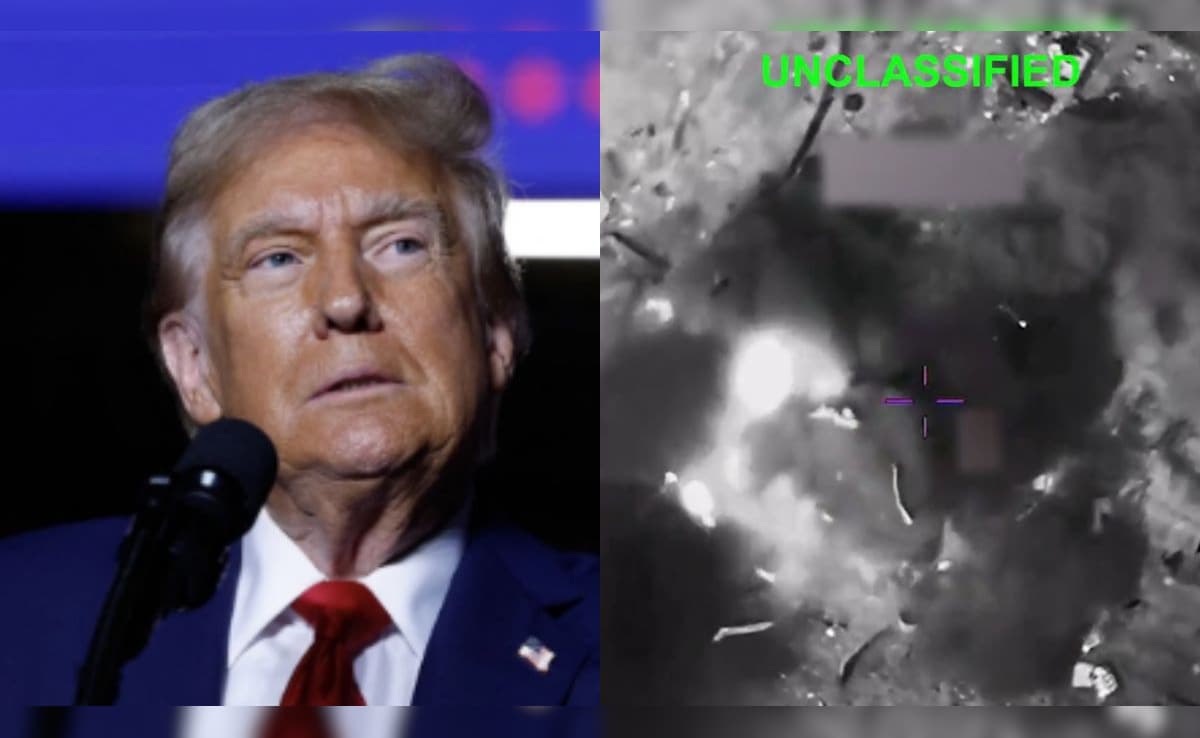
The videos are grainy, thermal-mapped, and undeniably violent. One shows a building in Tehran—reportedly a key intelligence hub—simply evaporating under the weight of a precision-guided munition. Another depicts the frantic, secondary explosions of a munitions depot in Isfahan, lighting up the desert night like a grotesque firework display. President Trump didn't just order a "response" this weekend; he launched a full-scale kinetic campaign that has effectively ended the era of "strategic patience" with the Islamic Republic.
If you're looking for the short version: US and Israeli forces just conducted a massive, coordinated air assault on Iranian soil. This isn't the proxy-war dancing we saw in 2024. This is Operation Epic Fury. It’s a direct strike on the heart of the regime, and the footage being blasted across social media by US Central Command (CENTCOM) is meant to send a singular message: the red lines have moved.
What actually happened on February 28
On Saturday morning, the world woke up to reports of massive explosions across nearly every major Iranian city. We aren't just talking about border outposts in Syria or Iraq this time. The targets included Tehran, Tabriz, Isfahan, and Shiraz.
According to official military briefings and the videos released by the Pentagon, the operation involved:
- B-2 Spirit Stealth Bombers: These $2 billion machines flew nearly halfway around the world to drop 2,000-pound "bunker buster" bombs on hardened missile sites.
- Tomahawk Missiles: Launched from Navy assets in the Persian Gulf, these wiped out command-and-control centers before the first Iranian radar operator even knew they were under attack.
- Cyber Warfare: Simultaneously, Iranian air defense networks were reportedly crippled, explaining why the released footage shows US jets operating with almost eerie impunity over "protected" airspace.
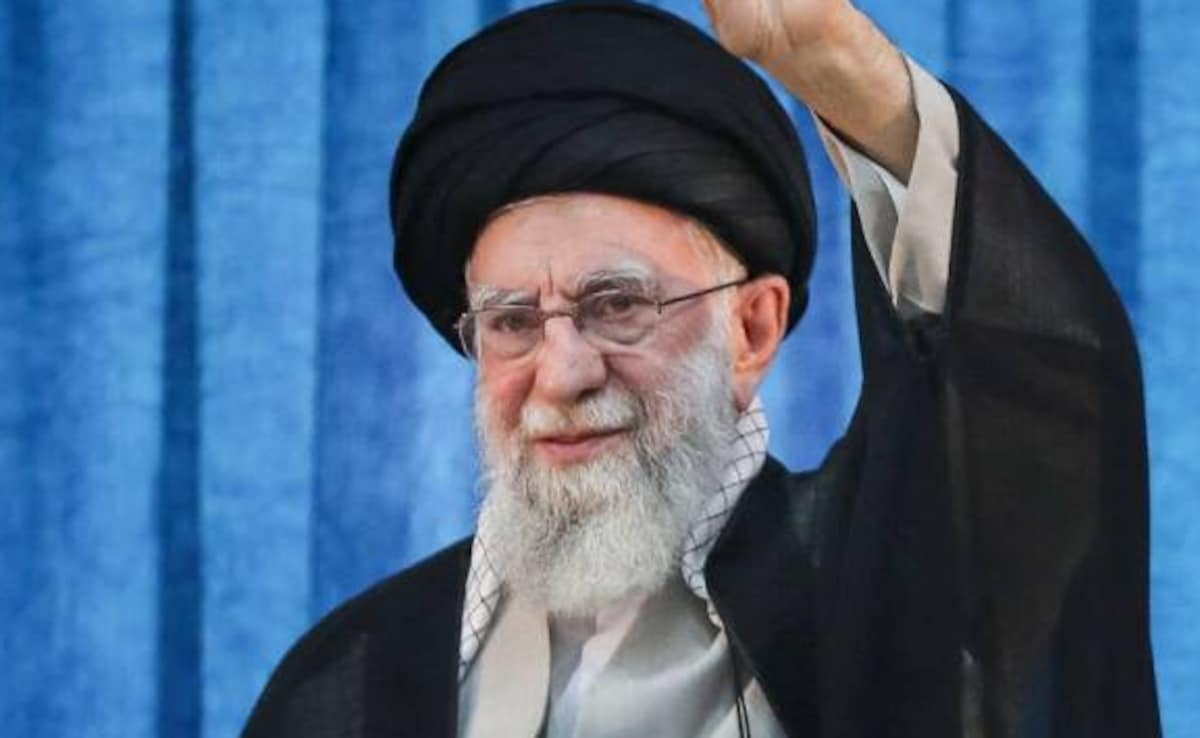
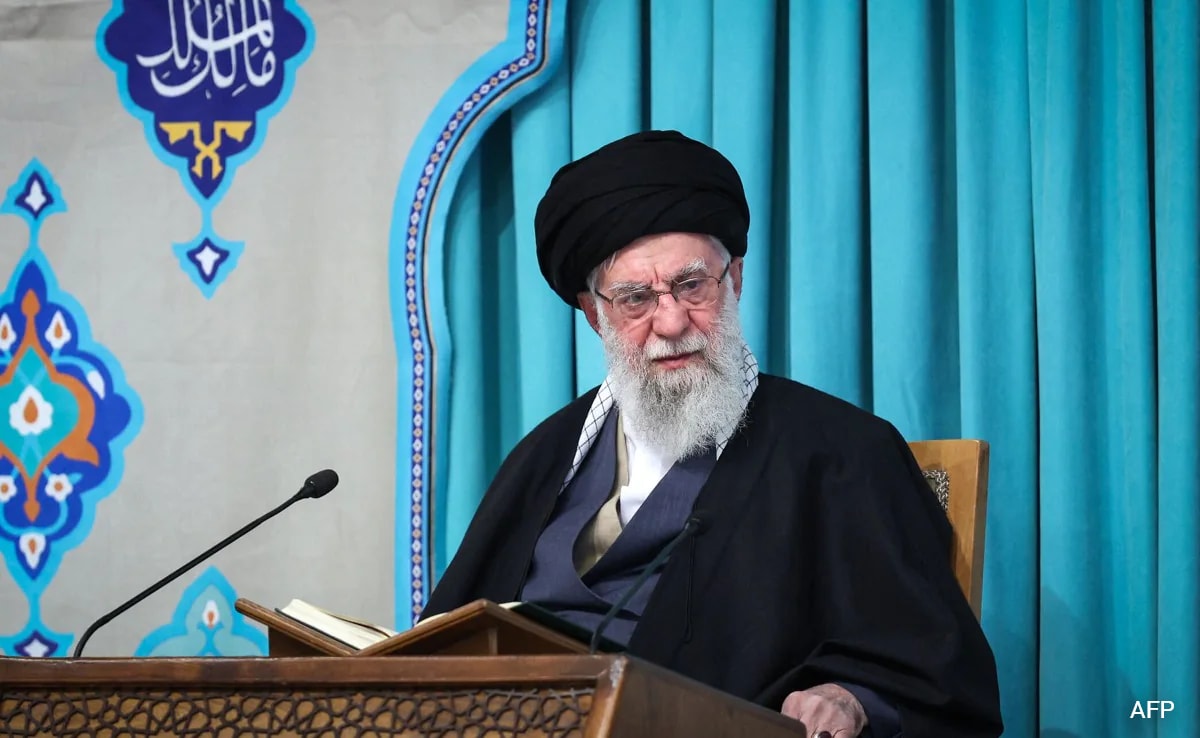
The most shocking claim? Reports—and even some celebratory videos from locals on the ground—suggest a strike hit the office complex of Supreme Leader Ali Khamenei. While the regime claims he's safe in a "secure location," the symbolic damage is irreversible. You don't recover from having your "inner sanctum" turned into a crater on live television.
The footage is the message
In the past, the US military was stingy with strike footage. They'd release a clip or two of a desert tent getting hit by a drone to prove they did something after a proxy attack. Not this time.
The sheer volume of high-definition video being pumped out by CENTCOM is a deliberate psychological operation. By showing the world—and the Iranian public—the vulnerability of the IRGC (Islamic Revolutionary Guard Corps), the US is trying to shatter the regime’s image of invincibility. One video shows a series of GBU-57 Deep Penetrator bombs hitting a mountain facility in Natanz. You can actually see the mountain "heave" as the explosions happen deep underground. It’s terrifying, and it's meant to be.
Why this is different from the 2024 strikes
Back in February 2024, the Biden administration launched strikes against 85 targets in Iraq and Syria. It was a "calibrated" response to the killing of three US soldiers in Jordan. It was designed to hurt, but not to kill the relationship. It focused on the "proxies"—the groups Iran pays to do its dirty work.
Operation Epic Fury is a total departure from that logic. This operation targeted the source.
- Geography: We are no longer fighting in "third-party" countries. The bombs are falling in Iran.
- Leadership: The 2024 strikes avoided "High-Value Targets" within the Iranian government to prevent escalation. Today, those targets are at the top of the list.
- Intensity: This wasn't a one-off "message." Trump has called it "major combat operations," implying this is the start of a sustained campaign to force regime change or total capitulation.
The cost of "Bold Action"
Don't let the clean black-and-white footage fool you. This isn't a video game. CENTCOM has already confirmed that three American service members were killed in the initial hours of the operation, likely due to Iranian retaliatory missile strikes on US bases in Bahrain and Qatar.
Iran didn't just sit there. They fired back with everything they had left, targeting Al Udeid Air Base and several civilian sites across the Gulf. The "Bold Action" the President ordered has effectively set the Middle East on fire. Critics argue that by striking inside Iran, we've backed a cornered animal into a position where it has nothing left to lose. Supporters, however, point to the "Twelve-Day War" of 2025 as proof that the regime only understands overwhelming force.
What to watch for next
The situation is moving fast. If you're trying to make sense of the chaos, keep your eyes on these three things:
The Strait of Hormuz: This is Iran’s biggest leverage point. If they try to sink tankers and choke off 20% of the world’s oil supply, gas prices won't just go up—the global economy will hit a wall. Watch for Navy "Freedom of Navigation" videos as the next flashpoint.
Domestic Unrest: Keep an eye on the "social media" side of this war. We’re seeing videos of Iranians in Tehran laughing and even cheering as the strikes happen. If the US military action triggers a popular uprising, the regime could collapse from the inside before the next round of B-2s even takes off.
The Nuclear Factor: The Pentagon claims the "Midnight Hammer" strikes in late 2025 set the nuclear program back two years. This new round of strikes aims to finish the job. If Iran feels its "insurance policy" (a nuclear breakout) is being permanently destroyed, they might go for a "hail mary" attack on Israel or US regional HQ.
The videos are still uploading. The smoke hasn't cleared. But one thing's certain: the era of "proxy wars" is dead. We're in a direct, high-stakes conflict with a nuclear-aspirant state, and the videos we're seeing today are just the opening credits.
Check the CENTCOM official channels for the raw flight data and BDA (Battle Damage Assessment) reports as they're declassified. Don't rely on leaked Telegram clips that might be old footage from the 2024 Syria strikes. Verify the landmarks in the videos—look for the Isfahan skyline or the Milad Tower in Tehran to confirm you're seeing the real deal.