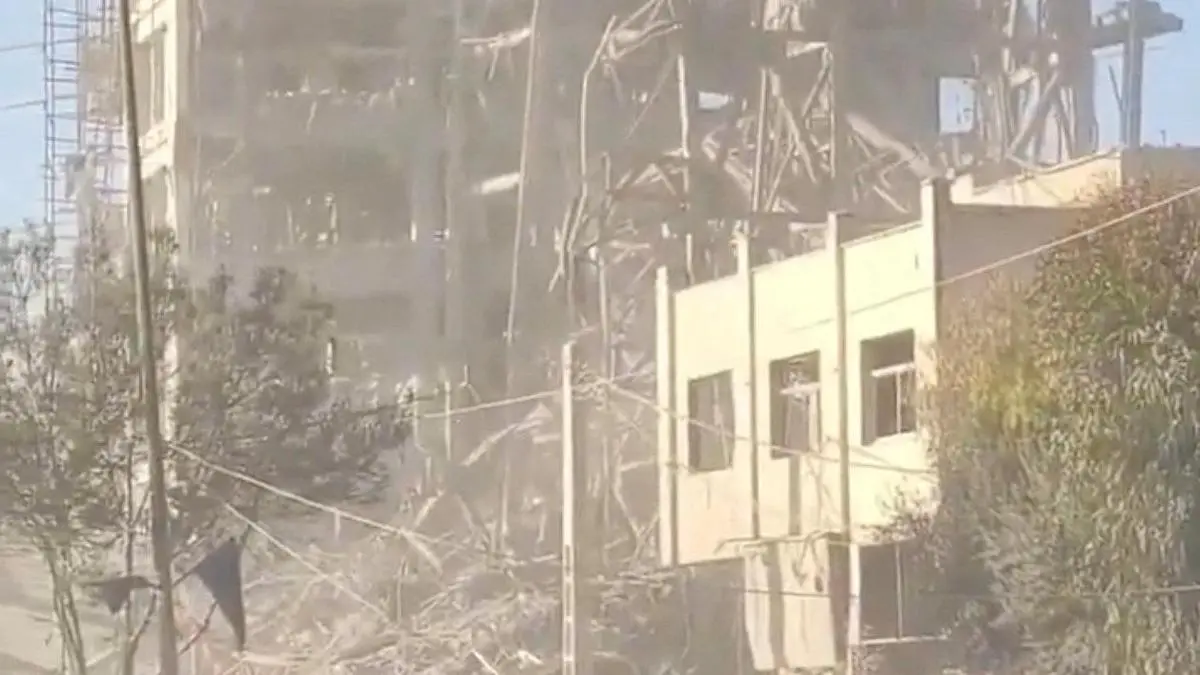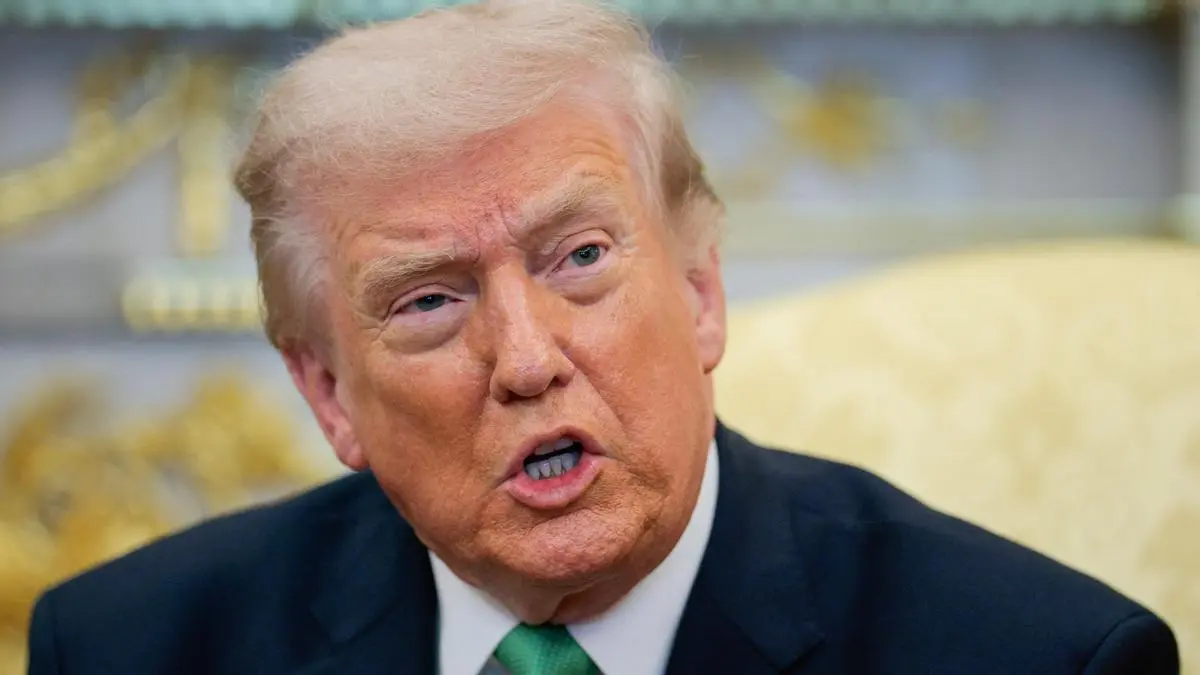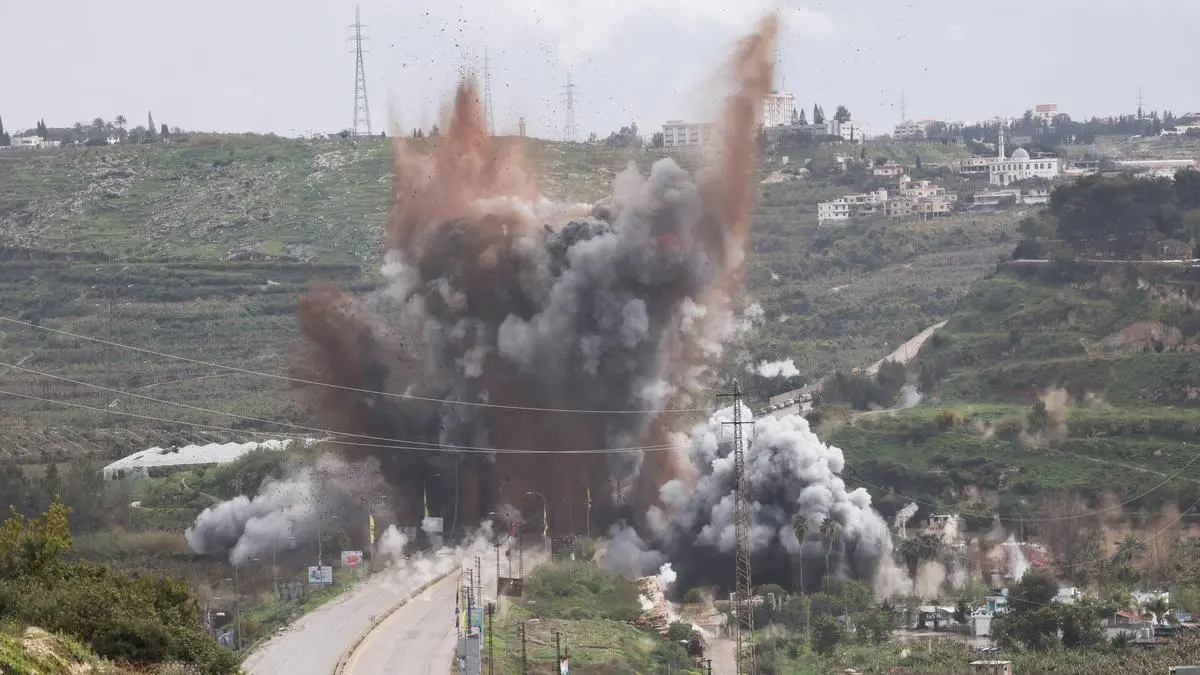
The rules of engagement just dissolved. For three weeks, we’ve watched a high-stakes military exchange in the Middle East, but as of March 2026, the conflict has shifted from remote missile batteries to the literal switches that keep your lights on and your water running. President Trump’s 48-hour ultimatum—threatening to "obliterate" Iran’s power plants if the Strait of Hormuz remains closed—has turned every piece of critical infrastructure into a front-line target.
This isn't just about two militaries trading blows anymore. It’s about a systematic attempt to dismantle the civilization of the "other side." When a nation threatens to take out a power grid, they aren't just targeting soldiers; they’re targeting the refrigeration in hospitals, the pumps in water treatment plants, and the stability of the global economy.
The 48 Hour Ticking Clock
On Saturday night, the rhetoric reached a boiling point. The US demand is simple: open the Strait of Hormuz or lose your electricity. Iran’s response was just as blunt. Mohammad Baqer Qalibaf, Iran’s Parliament Speaker, made it clear that if Iranian plants go dark, regional infrastructure—including the desalination plants that provide drinking water for US allies in the Gulf—will be "irreversibly destroyed."
We’re seeing a shift where civilian survival is the primary leverage. The US argues that the IRGC (Islamic Revolutionary Guard Corps) controls these facilities, making them legitimate military targets. Iran argues that hitting a power plant is a war crime. While the lawyers argue, the reality on the ground is that oil prices are surging past 10% in a single day, and European natural gas prices have jumped 35%.
The Strait of Hormuz carries roughly 20% of the world’s oil. With it effectively closed to all but a few "friendly" nations like China and India, the global energy market is staring down its worst crisis since the 1970s. This isn't a regional spat; it’s a global economic shockwave.
Your Water Heater is a Battlefield
You might think you’re safe because you aren't living in Tehran or Tel Aviv. You’re wrong. Iranian-linked cyber actors aren't just hitting military servers; they’re hunting for "low-hanging fruit" in the West. We’ve already seen reports of pro-Iranian hackers targeting US water utilities and medical device companies.
These groups, like Handala and various APT (Advanced Persistent Threat) units, don't always go for the high-security Pentagon networks. They go for the small-town water board or the regional power co-op that hasn't updated its software since 2022.
Why Infrastructure is So Hard to Defend
- Legacy Systems: Many power and water systems run on "if it ain't broke, don't fix it" hardware. These industrial control systems weren't built for the internet age.
- Slow Patching: You can’t just "restart" a water treatment plant to install a security update. Any downtime risks physical damage to the equipment or a loss of service to thousands.
- Human Error: Most of these breaches start with a simple phishing email. One employee clicks a link in a fake "emergency alert," and the hackers are inside the fence.
The Invisible War in the Shadows
While the headlines focus on missiles, the real damage is happening in the digital "Electronic Operations Room" established by Tehran. They’ve coordinated a massive spike in DDoS attacks and data-wiping malware. The goal isn't necessarily to take over a city; it’s to sow enough chaos that the domestic cost of the war becomes unbearable for the US public.
Insurance companies are already looking at "war exclusion" clauses to avoid paying out for these cyberattacks. This means if a local utility gets hit, the cost of recovery could fall directly on the taxpayers or the company’s balance sheet. It’s a financial pincer movement designed to complement the kinetic strikes in the Persian Gulf.
What You Should Actually Do Now
Waiting for a government press release won't help when your local services start glitching. If you're running a business or even just managing a household, the threat is real enough to warrant actual prep.
First, stop trusting "urgent" notifications. Hackers are currently using "RewardSteal" APKs and fake electricity board notices to harvest credentials. If you get a text saying your power is about to be cut unless you "click here," it’s a trap. Call the utility company directly from the number on your bill.
Second, if you run any kind of organization, rotate your credentials immediately. Use multi-factor authentication (MFA) on everything. It’s a basic step, but it’s still the most effective way to stop 90% of these opportunistic hacktivists.
Lastly, stay informed but don't panic. The goal of targeting infrastructure is to create psychological terror. They want you to feel like the world is falling apart so you’ll pressure leaders to back down. Understand the game being played, harden your personal digital footprint, and keep your eyes on that 48-hour deadline. The next move determines if this war stays in the Middle East or fully arrives on your doorstep.