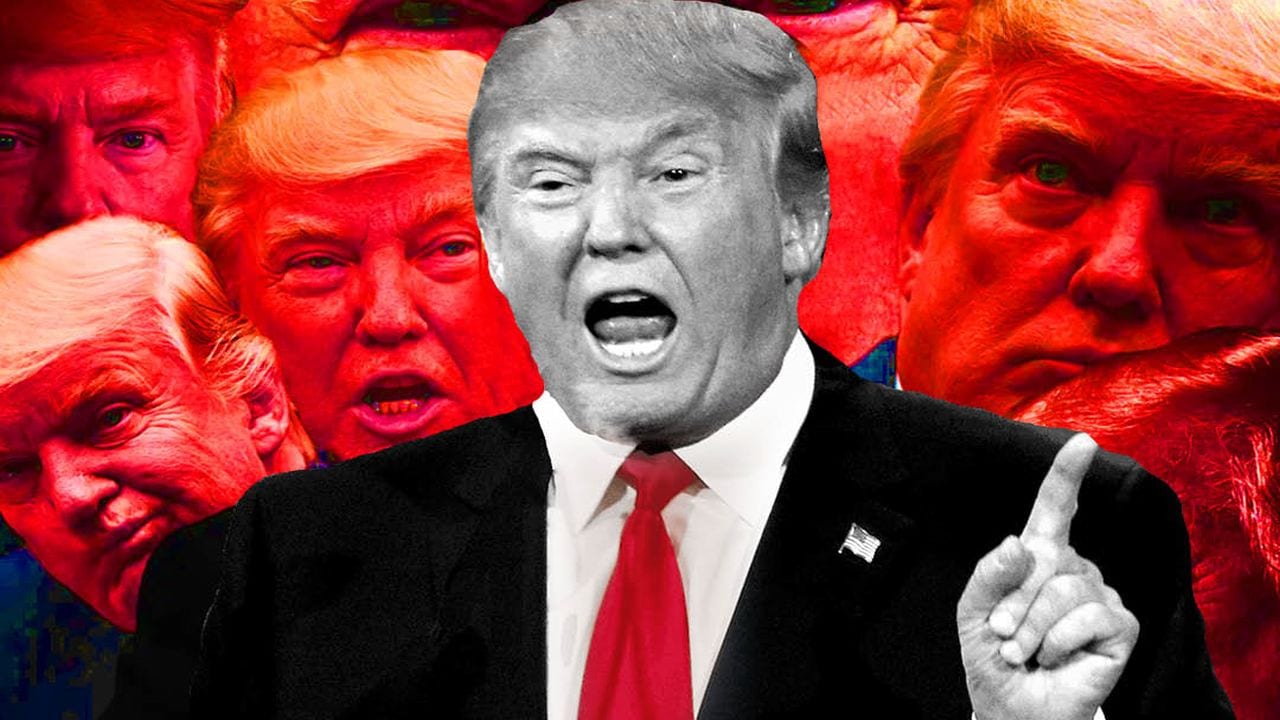
The prevailing narrative of absolute "zero enrichment" is cracking under the weight of a messy, multi-front reality. For years, the official line from Washington has been a brick wall: Iran must dismantle its centrifuges and ship every gram of enriched material across its borders. However, recent whispers from the diplomatic corridors in Geneva and reports surfacing via the Iranian Students' News Agency (ISNA) suggest a seismic shift is underway. The United States, despite its public posture of "Maximum Pressure 2.0," appears to be entertaining a "token enrichment" model that would have been unthinkable just twenty-four months ago.
This is not a sudden burst of geopolitical altruism. It is a calculated, desperate hedge against a regional conflagration that neither side can afford. By allowing Tehran to maintain a symbolic, highly monitored level of uranium enrichment—likely capped at 1.5% or 3.67%—the Trump administration may be attempting to buy the one commodity it lacks: time.
The Fiction of Zero Enrichment
Publicly, Secretary of State Marco Rubio and Special Envoy Steve Witkoff continue to demand the total shuttering of Fordow and Natanz. They speak of a permanent deal without "sunset clauses," a term that has become a shibboleth for hawk-leaning policymakers. Yet, the reality on the ground has changed. Following the "Operation Midnight Hammer" strikes in June 2025, which targeted key Iranian nuclear infrastructure, the Islamic Republic did not collapse. Instead, it went underground—literally.
The International Atomic Energy Agency (IAEA) admitted in its most recent confidential report that it can no longer verify the location or size of Iran’s enriched uranium stockpile. When you cannot find the material, demanding its removal becomes a hollow threat.
The current proposal floating through Omani mediators suggests a middle path. Iran would dilute its 60% highly enriched uranium (HEU) down to "medical grade" levels. In exchange, the U.S. would stop short of demanding the physical destruction of every centrifuge. This is the "token enrichment" gambit. It allows Tehran to save face by claiming it has preserved its "sovereign right" to the fuel cycle, while Washington claims it has successfully "neutered" the path to a nuclear warhead.
A Commercial Windfall or a Strategic Trap
The most jarring element of the new negotiations isn't the science; it's the ledger. Reports indicate that Iranian negotiators are attempting to entice the White House with a "commercial windfall." This includes offering U.S. firms direct investment opportunities in Iranian oil, gas, and critical minerals—specifically lithium and copper.
It is a classic "Art of the Deal" maneuver. Tehran is gambling that the promise of American energy companies drilling in the South Pars field will outweigh the ideological purity of the non-proliferation lobby. The proposal even suggests a 5% commission for the United States on oil sales conducted through Swiss mediation.
Critics argue this is a trap. Allowing any enrichment, no matter how low, maintains the technical "know-how" and the infrastructure. A country that can enrich to 1.5% can, with enough time and hidden cascades, return to 60% or 90%. The history of the JCPOA showed that "temporary" freezes often act as mere pit stops for a program that has become part of Iran's national identity.
The Shadow of Operation Midnight Hammer
We must look at the scars of 2025 to understand the caution of 2026. The June strikes were intended to be a knockout blow. While they caused significant delay, they also triggered a massive Iranian investment in "passive defense." Facilities are now being encased in anti-drone cages and buried deeper under mountain ranges like the Khojir Missile Production Complex.
Vice President JD Vance recently stated that the administration has "seen evidence" of Iran attempting to rebuild its program in these hardened sites. This puts Washington in a corner. If the strikes didn't finish the job, the only options left are a full-scale ground invasion—which is politically radioactive—or a diplomatic compromise that redefines what "success" looks like.
The Regional Consortium Escape Hatch
One of the more creative "Omani" ideas currently on the table involves a regional nuclear consortium. Under this framework, enrichment would take place on Iranian soil, but the facility would be co-owned and co-operated by a group of nations, potentially including Gulf neighbors and supervised by the IAEA.
- Ownership: Multi-national stake to ensure transparency.
- Level: Strictly limited to 1.5% for power and medical use.
- Safeguards: Real-time, 24/7 remote monitoring with "snap-back" military triggers.
This would effectively turn Iran's nuclear program into a "glass house." However, the Supreme Leader’s camp remains hesitant. For them, the program is a deterrent. If they lose control of the "on/off" switch, they lose their primary leverage against future Western intervention.
The Missile Blind Spot
While the nuclear technicalities are debated in Geneva, a massive elephant remains in the room: ballistic missiles. The U.S. wants to bundle Iran’s regional proxy support and missile range into the deal. Iran has flatly refused.
Foreign Minister Abbas Araghchi has been blunt: nuclear issues and "non-nuclear issues" must remain separate. By focusing solely on uranium, the U.S. risks a "clean" nuclear deal that does nothing to stop the rain of missiles that recently targeted U.S. bases in Erbil and the Gulf. It is a trade-off that the current administration seems increasingly willing to make, prioritizing the immediate "nuclear breakout" clock over the long-term regional missile threat.
The risk of this pragmatism is high. If the U.S. accepts a deal that allows for enrichment, it essentially admits that the "zero enrichment" era is over. It signals to other regional players—Saudi Arabia, Turkey, Egypt—that the threshold for becoming a "threshold nuclear state" has just been lowered.
The clock is ticking toward the March 2nd technical meetings in Vienna. If a framework isn't finalized, the "military options" Rubio and Witkoff frequently cite will move from the briefing room to the flight deck. Washington isn't seeking a perfect peace; it is seeking a manageable tension.
Would you like me to analyze the specific technical safeguards being proposed for the Fordow facility under this new "token" framework?


