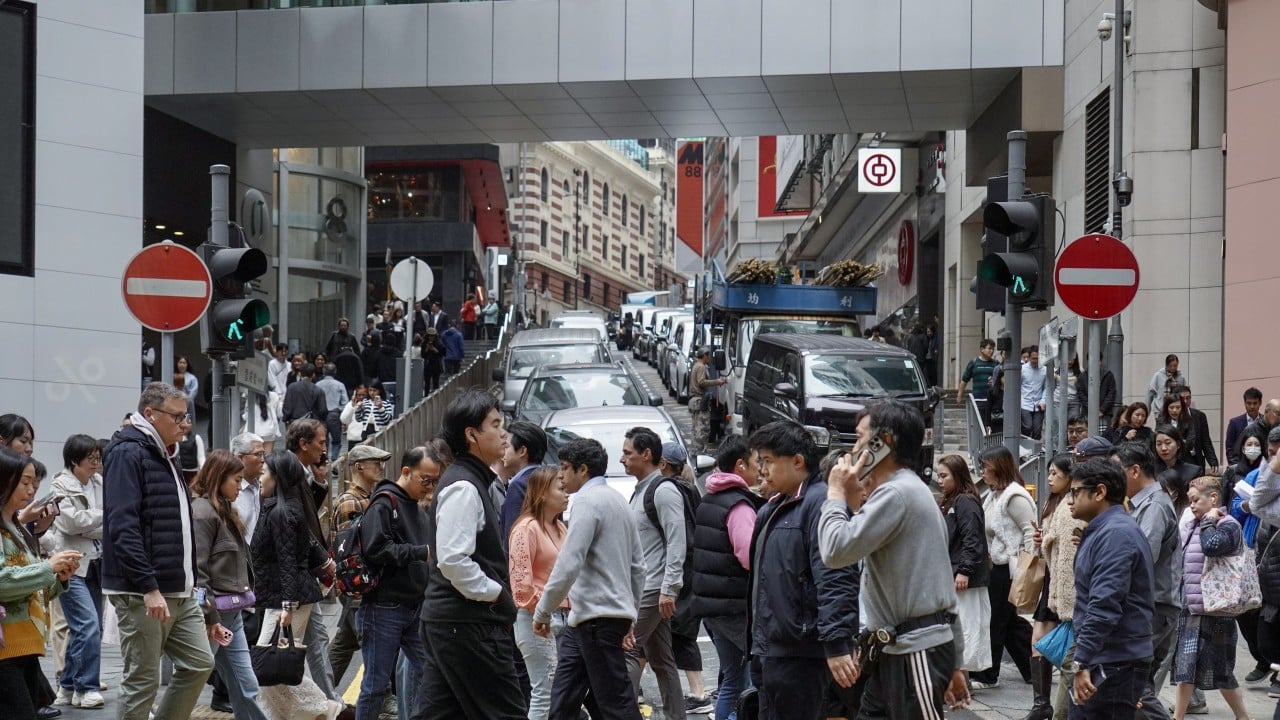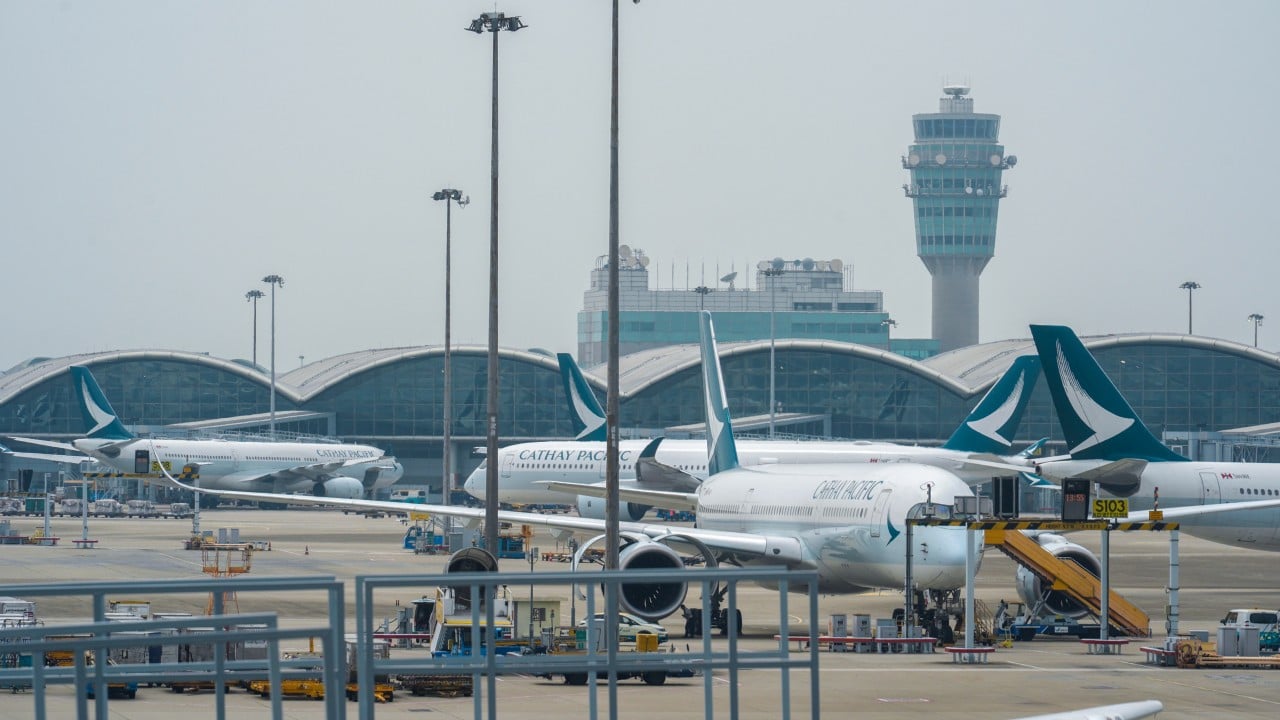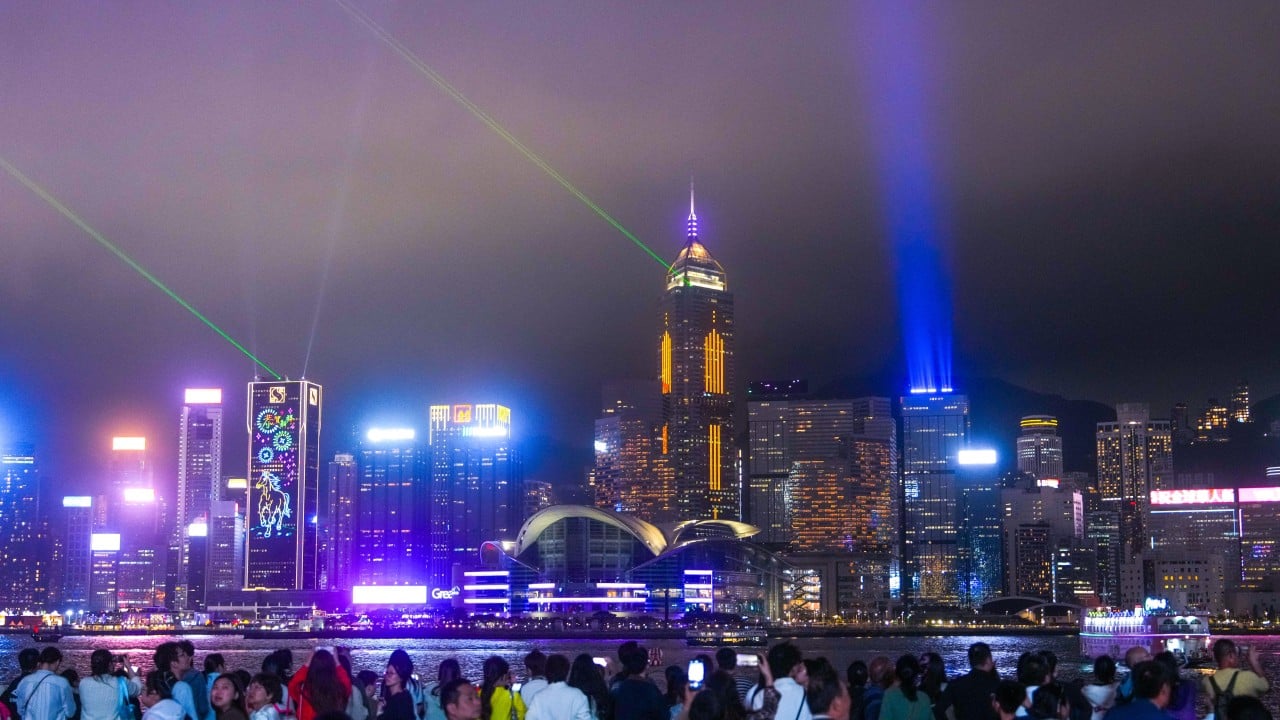
Hong Kong is currently navigating a structural transition in its tourism economy, moving from a volume-centric model to a value-density model. The historical reliance on high-frequency, low-margin cross-border day-trippers has reached a point of diminishing returns, where the social and infrastructural costs of congestion outweigh the marginal tax and retail revenue generated. To achieve sustainable fiscal growth, the Hong Kong Tourism Board (HKTB) must pivot toward the "Overnight Big Spender" demographic. This shift requires a clinical deconstruction of the visitor mix, prioritizing length of stay (LOS) and per-capita spending over raw arrival figures.
The Triad of Value Extraction
The efficacy of a tourism strategy is measured by the total economic yield per visitor. This yield is a function of three primary variables:
- Retention Duration: Every additional hour a visitor remains in the city increases the probability of secondary and tertiary transactions (dining, late-night entertainment, local transport).
- Spending Velocity: The rate at which a visitor de-leverages their disposable income within a 24-hour window. High-net-worth individuals (HNWIs) exhibit higher velocity through luxury retail and fine dining.
- Cultural Stickiness: The degree to which a destination offers non-replicable experiences that justify a price premium.
Hong Kong’s previous "shopping mall of Asia" identity has been eroded by the rise of domestic e-commerce in Mainland China and the price competitiveness of Hainan’s duty-free zones. Consequently, the city must re-engineer its value proposition around "experience-heavy" assets that cannot be digitized or exported.
Deconstructing the Visitor Mix
The HKTB’s objective to "diversify the visitor mix" is not merely about geography; it is about risk mitigation. Over-reliance on a single source market—specifically Mainland China—subjects the local economy to external regulatory shifts and currency fluctuations. A resilient portfolio requires a balanced distribution across three distinct tiers.
Tier 1: The High-Yield Short-Haul
This group consists of business travelers and affluent leisure seekers from Southeast Asia (Singapore, Thailand, Indonesia) and North Asia (Japan, South Korea). Their value lies in high spending velocity and a preference for premium hospitality services. The constraint here is regional competition; Singapore and Tokyo compete directly for this same capital. Hong Kong's edge must be its density—the ability to access world-class hiking, Michelin-starred dining, and global financial hubs within a 30-minute radius.
Tier 2: The Long-Haul Explorer
Visitors from Europe and North America typically exhibit the longest LOS. While their daily spending velocity might be lower than a Tier 1 luxury shopper, their total stay contribution is higher due to the multiplier effect of hotel nights and extended service consumption. These visitors are currently deterred by perceived shifts in the city’s international character. Re-establishing the "East-meets-West" synthesis is an economic necessity, not just a branding exercise.
Tier 3: The Mainland Value-Seeker
This segment remains the volume driver but requires a shift in management. The goal is to convert the "day-tripper" into an "overnight stayer." Data indicates that an overnight visitor from the Mainland spends approximately 3.5 times more than a same-day visitor. Strategy must focus on event-driven tourism—concerts, art fairs (Art Basel), and sporting events (Hong Kong Sevens)—that necessitate a multi-day commitment.
The Cost Function of Infrastructure and Sentiment
Tourism does not exist in a vacuum; it incurs "hidden" costs that are often omitted from top-line revenue reports.
- Infrastructural Friction: Excessive volume leads to the degradation of public transport efficiency and the inflation of local goods prices.
- Social Capital Depletion: When visitor density exceeds the "irritation threshold" of the local population, social friction arises, damaging the city's brand as a welcoming destination.
The HKTB's move to "woo big spenders" is a direct response to these costs. By targeting fewer, higher-spending individuals, the city can maintain or increase total revenue while reducing the physical strain on its geography. This is the "Optimization Frontier" of urban tourism: maximizing yield while minimizing footprint.
The Mechanics of "Experience-Led" Diversification
To diversify successfully, the city must develop specialized clusters that cater to niche, high-intent audiences. Vague marketing campaigns are ineffective; the focus must be on specific vertical markets.
The MICE Catalyst (Meetings, Incentives, Conferences, Exhibitions)
Business travelers are the ultimate "Big Spenders." Their expenses are often corporate-subsidized, leading to price insensitivity in the hospitality and dining sectors. Furthermore, MICE events provide a predictable cadence for arrivals, allowing hotels to optimize yield management. The expansion of the AsiaWorld-Expo and the continuous upgrading of the Convention and Exhibition Centre are the physical manifestations of this strategy.
The Cultural Premium
Investment in the West Kowloon Cultural District represents an attempt to monetize "intellectual curiosity." By positioning Hong Kong as a global arts hub (anchored by M+ and the Palace Museum), the city attracts a demographic that values cultural capital. These visitors are statistically more likely to engage in high-end hospitality and stay longer to explore local heritage.
Mega-Event Logic
The "Event Economy" creates artificial scarcity. Whether it is a global pop star’s tour or a specialized tech summit, these events create a "forced" overnight stay. The strategic failure of past years was the lack of coordination between event organizers and the retail/F&B sectors. A masterclass in analysis suggests that an event's success should not be measured by ticket sales alone, but by the "spend-leakage" into the surrounding neighborhood.
Addressing the Labor Bottleneck
A significant limitation to the HKTB’s strategy is the current labor shortage in the service and hospitality sectors. You cannot provide a "Big Spender" experience with depleted staff or sub-par service standards. High-net-worth individuals are paying for a service level that is increasingly difficult to maintain in a tight labor market.
The government’s labor importation schemes for the tourism sector are a temporary fix. Long-term viability depends on the integration of "Service Tech"—AI-driven concierge services, automated check-ins, and robotics in back-of-house operations—to free up human capital for high-touch, high-value interactions. If the human element of the luxury experience fails, the "Big Spender" will simply relocate their capital to Dubai, London, or Singapore.
The Disruption of the Retail Narrative
The "Shopping Paradise" label is a liability in an era of globalized luxury supply chains. A Louis Vuitton bag costs roughly the same in Shanghai, Paris, and Hong Kong when accounting for travel costs. To counter this, Hong Kong retail must transition into "Retail-tainment."
This involves:
- Exclusive Inventory: Products available only in the Hong Kong market.
- Immersive Flagships: Stores that function as brand museums or social clubs rather than simple points of sale.
- Tax-Efficient Advantages: While Hainan is a competitor, Hong Kong’s lack of VAT and sophisticated logistics still provide a marginal gain that must be aggressively communicated.
Strategic Forecast: The Displacement of the Mass Market
The logical conclusion of this data-driven pivot is the deliberate displacement of mass-market tourism. As hotel prices rise and the city reorients its infrastructure toward the premium segment, low-budget travelers will naturally be priced out of the central districts. This is not an accidental byproduct; it is a strategic necessity for a land-constrained city.
The future of Hong Kong tourism is a high-barrier-to-entry model. This ensures that every individual occupying a square meter of the city’s dense urban core is contributing maximum fiscal value. The HKTB must ignore the political pressure to return to 2018 arrival volumes and instead focus on the 2018 revenue benchmarks, achieved through 60% of the previous volume.
The final strategic move for the HKTB is the implementation of a "Data-First" feedback loop. By leveraging payment gateway data and mobile signal patterns, the board can track the real-time movement and spending habits of these "Big Spenders." This allows for dynamic marketing—pushing localized offers to a visitor the moment they enter a high-value precinct like Central or Tsim Sha Tsui. The transition is away from "broad-based wooing" and toward "precision-targeted extraction."