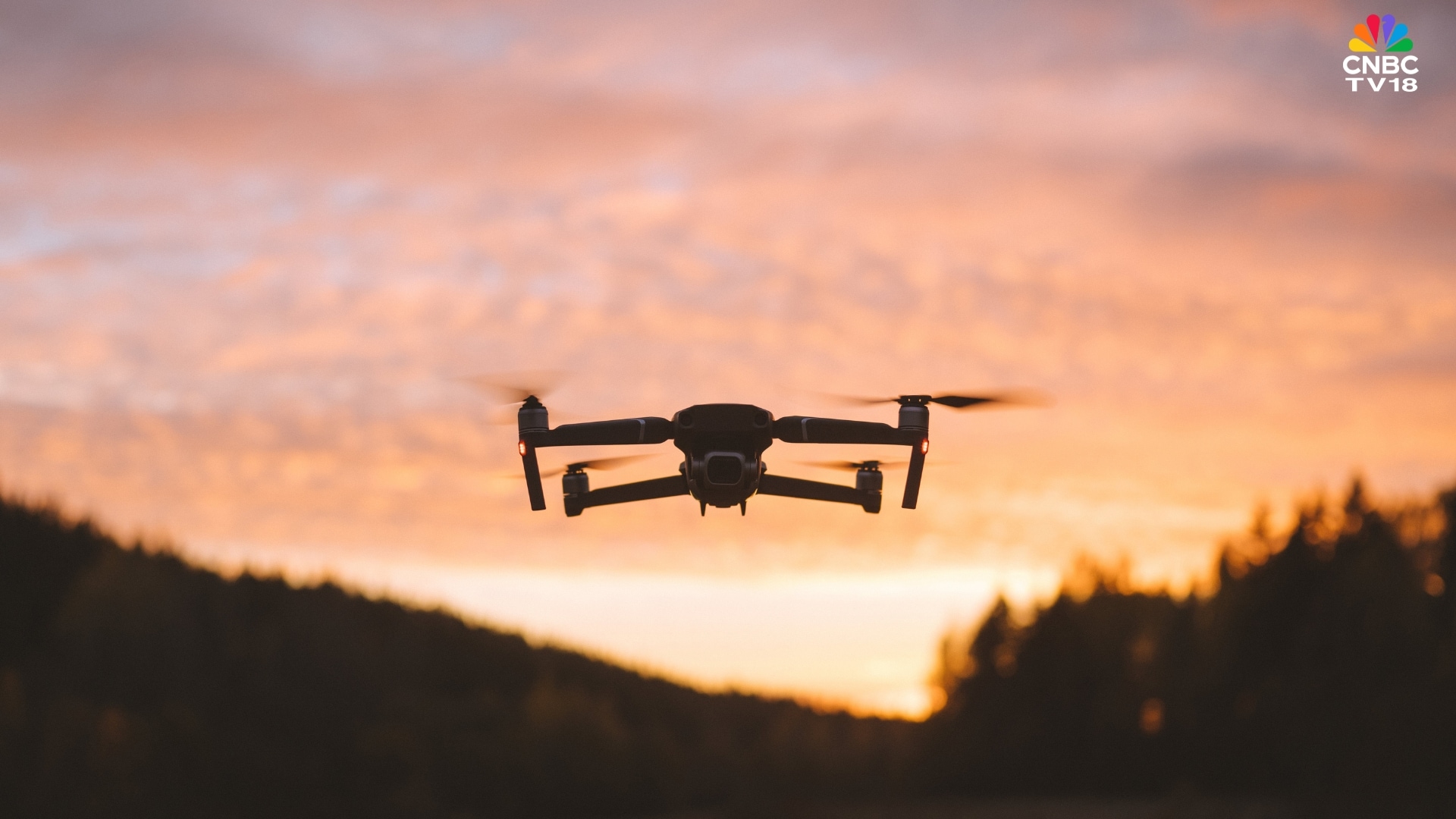
Five European nations have signed a pact to industrialize the "Ukrainian model" of low-cost drone defense, signaling a fundamental shift in how Western militaries view air superiority. The coalition, led by Germany and including the Netherlands, Estonia, Latvia, and Lithuania, has pledged an initial multi-million euro fund to build interceptors that cost a fraction of the missiles they replace. This is not a traditional procurement deal. It is an admission that the existing defense industrial complex is too slow, too expensive, and too rigid to survive a modern war of attrition. By formalizing the transfer of frontline "know-how" from Kyiv to European factories, these nations are attempting to solve a math problem that has haunted NATO planners for three years: how to stop a $20,000 drone without firing a $2 million missile.
The initiative moves beyond mere financial aid. It seeks to replicate the frantic, iterative engineering born in Ukrainian basements and garage workshops. In these environments, software updates happen daily based on morning combat reports, and hardware is often "MacGyvered" from off-the-shelf civilian components. The five-nation bloc wants to bring that agility to the European continent, bypassing the usual decade-long development cycles of major defense contractors. Meanwhile, you can explore related developments here: The Anthropic Pentagon Standoff is a PR Stunt for Moral Cowards.
The Arithmetic of Attrition
Modern warfare has hit a pricing wall. For decades, the West built exquisite, high-fidelity systems designed to counter high-value targets like fighter jets or ballistic missiles. These systems work. They are marvels of engineering. But they are failing the test of sustainability when faced with thousands of Iranian-designed Shahed drones or domestic Russian variants.
Consider the intercept geometry. When a swarm of thirty drones approaches a city, a traditional air defense battery might successfully neutralize twenty-eight of them. However, if each interceptor missile costs more than the battery itself, the defender loses the economic war even if they win the tactical engagement. This is the "cost-exchange ratio" that the new European coalition is desperate to flip. To explore the bigger picture, we recommend the detailed article by Gizmodo.
Ukraine solved this through sheer necessity. They combined 1950s-era anti-aircraft guns with modern thermal imaging, tablets running custom acoustic detection software, and "FrankenSAM" systems that mount Western missiles on Soviet launchers. The five nations are now eyeing these specific, battle-tested integrations as the blueprint for a new class of European weaponry. They aren't looking for the "best" tech; they are looking for the "good enough" tech that can be manufactured by the thousands.
Bypassing the Defense Giants
The biggest obstacle to this plan isn't the technology. It is the procurement culture of the European Union. Traditionally, defense contracts are awarded to massive conglomerates with deep political ties. These companies operate on "cost-plus" contracts that disincentivize speed and reward complexity.
This new five-nation pledge suggests a breakaway from that tradition. By focusing on Ukrainian "know-how," the coalition is prioritizing field-testing over laboratory perfection. The goal is to create a parallel supply chain of smaller, more agile tech firms that can build modular electronic warfare (EW) kits and kinetic interceptors.
Electronic warfare is the quiet centerpiece of this deal. Ukraine has become the world's premier testing ground for GPS jamming and signal spoofing. In the Donbas, the average lifespan of a small drone is often measured in hours, not days. The five European nations want to harvest the data from these encounters to build EW systems that can automatically detect and "blind" a drone's frequency without human intervention.
The Intelligence of the Scavenger
What makes Ukrainian defense tech unique is its reliance on software over specialized hardware. While a Western defense firm might spend five years developing a specific sensor, Ukrainian engineers are more likely to write an algorithm that allows a standard smartphone camera to identify the silhouette of a drone against a cloudy sky.
This "scavenger intelligence" is what the millions of euros will actually fund. The investment is directed at:
- Acoustic Sensor Networks: Thousands of cheap microphones linked to a central AI that triangulates the direction and speed of incoming drones based on their engine hum.
- First-Person View (FPV) Interceptors: Modifying racing drones to act as "kamikaze" interceptors that hunt other drones, turning the sky into a robotic dogfight.
- Automated Turrets: Pairing old heavy machine guns with low-cost computer vision to create autonomous point-defense systems.
There is a grim reality to this development. The five nations are effectively paying for the lessons learned in blood. Every "cheap" solution being exported from Ukraine was paid for by a failure on the battlefield that cost lives. The Dutch or Estonian taxpayer isn't just buying a gadget; they are buying a shortcut through a learning curve they cannot afford to climb themselves.
The Counter-Argument of Reliability
Not everyone in the defense establishment is convinced that "cheap" is the answer. Critics argue that the Ukrainian model works in a high-intensity conflict where some failure rate is acceptable, but it may not meet the stringent safety and reliability standards required for peacetime NATO operations.
There is also the risk of the "Symmetry Trap." If Europe builds a massive infrastructure of cheap drone defenses, an adversary simply pivots to a different, equally cheap method of attack. The war in Ukraine has shown that as soon as one side masters a specific frequency for jamming, the other side switches to fiber-optic-guided drones that are immune to radio interference.
The five-nation coalition must therefore build a system that is not just cheap, but infinitely adaptable. If the hardware is fixed, it is already obsolete. The "millions" pledged must go into a digital backbone that can be patched as easily as a smartphone app.
Breaking the Industrial Taboo
For the first time in recent history, Western nations are admitting they are students and Ukraine is the teacher. This reverses the traditional hierarchy of the "Global North" providing high-tech solutions to the "Global South" or developing nations. In the realm of drone warfare, the West is currently behind the curve.
The Baltic states—Estonia, Latvia, and Lithuania—understand this better than most. Their proximity to Russia makes the threat of a "drone deluge" a matter of existential urgency rather than a theoretical exercise. Their participation in this pact ensures that the technology isn't just being built; it is being integrated into the very borders of NATO.
This pact is a warning shot to the traditional arms industry. If the "Big Five" defense contractors cannot lower their price points and accelerate their timelines, they will find themselves sidelined by a new generation of "battle-tested" startups emerging from the wreckage of the current conflict. The million-euro pledges are just the beginning. The real value is the data, the code, and the terrifyingly efficient logic of the Ukrainian frontline.
Would you like me to map out the specific startups currently bridging the gap between Kyiv's workshops and European production lines?