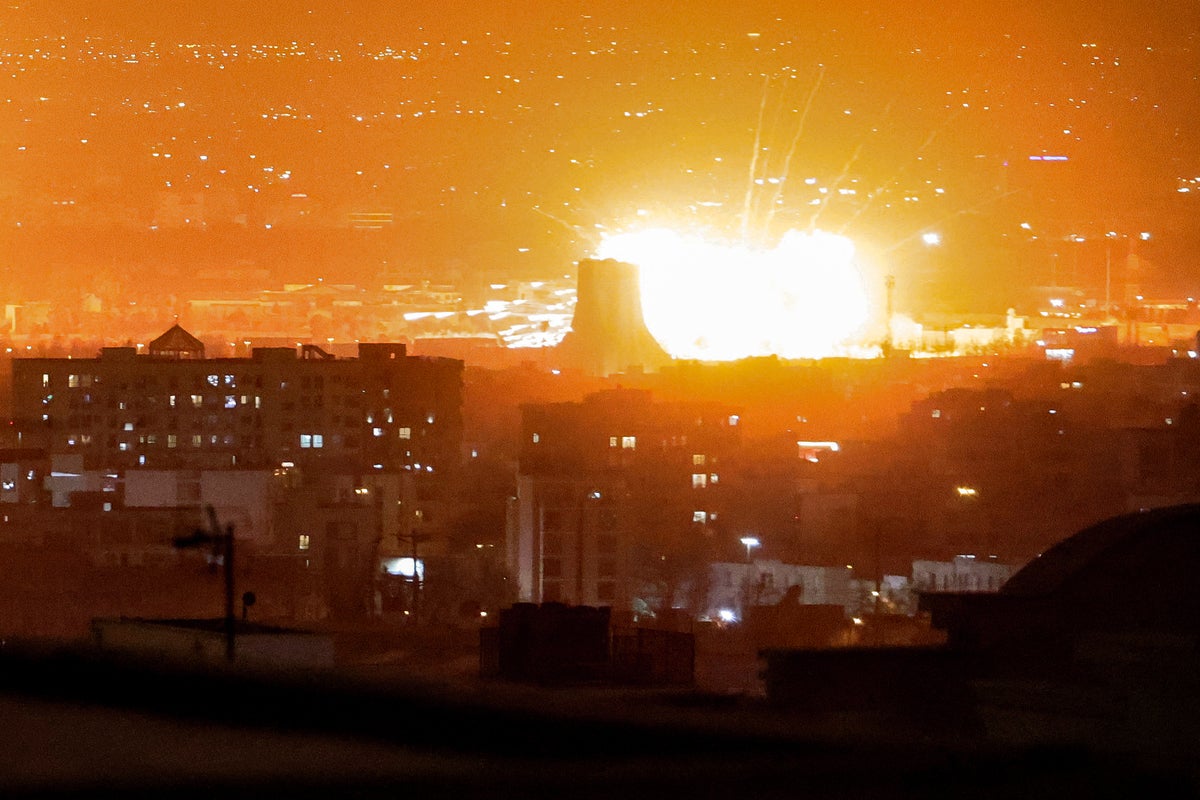
The Pentagon’s math just doesn’t add up anymore. After two years of trying to be the "arsenal of democracy" for Ukraine, Washington’s attention—and its finite stockpile of high-end missiles—is shifting rapidly toward the Middle East. If you’ve been following the news, you know the U.S. and Israel have spent the last month hammered by a high-intensity conflict with Iran. But what you might not know is that this new war is effectively cannibalizing the weapons Ukraine needs to survive.
We’re not talking about small arms or old tanks. The Department of Defense is looking at diverting air defense interceptors—the very things that keep Russian missiles from leveling Kyiv—and sending them to U.S. Central Command (CENTCOM) instead. You might also find this related coverage insightful: Strategic Asymmetry and the Kinetic Deconstruction of Iranian Integrated Air Defense.
The math of a two front logistics nightmare
The scale of the ammunition burn in the Middle East is honestly staggering. In just the first four weeks of the Iran conflict, U.S. forces have hit over 10,000 targets. To put that in perspective, some reports suggest the U.S. and its partners used 800 Patriot interceptors in a single three-day window. That’s more than Ukraine’s entire estimated stockpile.
When you’re firing missiles that cost millions of dollars a pop at a rate that outpaces production, someone has to lose out. Right now, that someone is Ukraine. As reported in recent reports by The Guardian, the results are notable.
The specific program under the microscope is the Prioritized Ukraine Requirements List (PURL). It sounds like typical government alphabet soup, but it’s actually the primary vein through which European allies pay for American weapons to be shipped to the Ukrainian front. By eyeing these specific shipments for diversion, the Pentagon is basically telling its European partners that U.S. operational needs in the Middle East come before their paid-for support for Kyiv.
Why this isn't just a temporary glitch
You might think the U.S. can just ramp up production. It’s not that simple. Manufacturing a Patriot or THAAD (Terminal High Altitude Area Defense) interceptor isn't like rolling cars off an assembly line. These are highly complex machines with global supply chains that are already stretched to the breaking point.
- The PURL Problem: This program was supposed to be the "Trump-proof" way to keep weapons flowing to Ukraine after the administration cut direct aid. If the Pentagon starts dipping into PURL-funded stocks to replenish its own inventories, that safety net is gone.
- Theater Priority: The U.S. has already moved THAAD systems from South Korea and Patriot batteries from the Indo-Pacific to the Middle East. When the Pentagon starts stripping defenses from East Asia, you know the situation is desperate.
- The Russian Edge: While the U.S. is distracted, Russia is ramping up. They just launched nearly 1,000 drones in a 24-hour period last week. Ukraine needs more interceptors, not fewer, to deal with that kind of volume.
The $750 million pivot
On March 23, the Pentagon reportedly informed Congress of its intent to redirect roughly $750 million in NATO-funded PURL resources. Instead of buying new aid for Ukraine, that money is slated to replenish U.S. military stocks.
It's a "U.S. first" policy in action, even if the money originally came from European pockets. Defense Secretary Pete Hegseth and other officials are stuck in a corner where they have to choose between leaving U.S. bases in Iraq and Jordan vulnerable or letting Ukrainian cities take the hit. They’re choosing the former.
What this means for the ground war in Ukraine
If these diversions go through—and all signs point to "yes"—Ukraine's air defense is going to look very different by summer. We’ll likely see a "triage" approach to defense. Kyiv and critical infrastructure will get the remaining interceptors, while smaller cities and frontline units are left to rely on less effective, short-range systems.
Russian commanders aren't stupid. They see the depletion. They’ll likely time their largest missile barrages to coincide with these supply gaps. Honestly, it’s a grim outlook for the Ukrainian energy grid, which is already hanging by a thread.
How to track the fallout
If you want to see if this is actually happening, don't just wait for the official press releases. Keep an eye on two things. First, watch the flight tracking data for heavy transport aircraft leaving Rammstein Air Base in Germany headed toward the Middle East. Second, look for statements from European defense ministers. If people like Kaja Kallas or Mark Rutte start sounding more frantic about "strategic autonomy," it’s because they’ve realized the U.S. umbrella is being pulled away to cover a different storm.
You should also watch the price of oil. Russia is using the Middle East chaos to bypass sanctions, and if the U.S. continues to burn through its "high-end" ammo, it loses the leverage to enforce those sanctions elsewhere.
The era of "unlimited support" is over. We’re moving into an era of "competing emergencies," and right now, the Middle East is winning the competition.