Your phone is the most dangerous thing you'll carry through Dubai International Airport. It’s not about what you’re smuggling; it’s about what you’ve shared. In the last few weeks, the gleaming skyscrapers of the UAE have turned into a legal minefield for British tourists. Imagine taking a quick video of a missile interception—a natural reflex in a conflict zone—and ending up in an overcrowded cell with no clear path home. That’s the reality for several Brits right now, and their families are rightfully furious at a British government that seems too scared to lift a finger.
The high price of a social media post
The United Arab Emirates has some of the strictest cybercrime laws on the planet. They don't care if you're a tourist or if you had "no bad intentions." If you post, share, or even comment on something that the authorities deem "false news" or a "disturbance to public security," you're in deep trouble. Read more on a related topic: this related article.
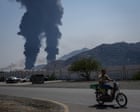
Right now, the focus is on the conflict with Iran. People are filming missile impacts and sharing them on WhatsApp or TikTok. The UAE Attorney-General hasn't been subtle about this: they've warned that anyone posting images of "incident sites or damage" will face legal action "without leniency." We aren't talking about a slap on the wrist. We're talking about up to two years in prison and fines that can reach £40,000.
One 60-year-old British man is currently caught in this net. He deleted the footage as soon as he was asked. It didn't matter. He’s now one of at least 21 people charged in a massive sweep. Groups like Detained in Dubai suggest the number of active cases involving foreigners could be as high as 70. Additional analysis by NBC News explores comparable perspectives on this issue.
Why the British government stays silent
If you're a British citizen in trouble abroad, you expect your embassy to have your back. But the families of those detained in the UAE are calling the UK's response "impotent." Honestly, they're being generous.
The Foreign, Commonwealth and Development Office (FCDO) says it’s providing "consular assistance" to five people. Meanwhile, human rights lawyers like David Haigh from Dubai Watch say the embassy is completely overwhelmed. So why isn't the UK government screaming from the rooftops?
It's about the money. It's always about the money. The UAE is a massive investor in the UK. We’re talking about billions of pounds in trade and energy security. Ministers don't want to offend the Emiratis because they’re terrified of losing that economic clout. It’s a cynical trade-off: your freedom for a trade deal. If this were happening in a country without "investment power," the diplomatic pressure would be immense. Instead, we get "sycophantic responses" that leave families feeling abandoned.
The reality inside the cells
Don't buy into the "luxury Dubai" marketing when it comes to their legal system. Accounts from those currently held paint a grim picture. We're talking about:
- Overcrowded cells where social distancing or privacy is a myth.
- Limited access to food and medical care.
- Restricted communication with families back home.
- A total lack of transparency regarding legal counsel.
One mother told The Guardian that her daughter isn't even allowed in the prison courtyard anymore because it’s "too dangerous." They're essentially sitting ducks while a war rages around them, and their own government won't even confirm if officials have been allowed to visit them.
The trap of "normal" behavior
The biggest mistake you can make is thinking your "rights" travel with you. In the UK, you can film a police incident or a military event and post it online without a second thought. In the UAE, that’s a criminal act.
The laws are intentionally vague. They use terms like "provocative propaganda" or "stirring public opinion." This gives the police total discretion to arrest anyone they want. You don't even have to be the one who filmed the video. If you forward a video in a family WhatsApp group, you’re just as liable as the person who pressed record.
Radha Stirling, CEO of Detained in Dubai, points out a massive hypocrisy here. International journalists are in Dubai filming these same interceptions and sending them to editors abroad. But if a resident or a tourist shares that same footage once it's published, they’re the ones who get arrested. It’s a trap.
What you need to do immediately
If you're in the UAE or planning to go, you need to change how you use your phone. It sounds extreme, but the risk is real.
- Stop filming everything. If there’s an explosion, a missile strike, or even a heavy police presence, put your phone away. Don't even take a photo for "private use."
- Scrub your social media. If you've shared anything remotely political or related to the current conflict, delete it. Now.
- Be careful in private groups. WhatsApp isn't as "private" as you think when the authorities start seizing devices. Don't forward content that hasn't been officially sanctioned by the UAE government.
- Don't rely on the embassy. Based on the current track record, the UK government isn't going to swoop in and save you. Your best defense is not getting arrested in the first place.
The families of those currently detained are living through a nightmare of silence and bureaucracy. They’re being told to wait while their loved ones languish in cells for doing something that would be a non-issue anywhere else. If the UK government continues to prioritize investment over its own people, more Brits are going to find out the hard way that "consular assistance" is a very thin safety net.
Check your privacy settings and think twice before you hit share. Your next post isn't worth a two-year prison sentence.