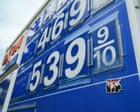
The war in Iran didn't just rattle global oil markets; it handed UK fuel retailers a convenient excuse to squeeze drivers even harder. Since the conflict broke out on February 28, diesel prices have rocketed by nearly 16p per litre in less than two weeks. While the headlines focus on the geopolitical chaos in the Middle East, the real story is happening on your local forecourt. The Competition and Markets Authority (CMA) has finally noticed, putting retailers "on notice" for what looks like blatant profiteering.
You’ve probably seen the price boards changing daily. Petrol has jumped by 6%, and diesel—the backbone of the UK’s haulage and delivery industry—is up by 9%. The CMA isn't just watching anymore. They’re demanding immediate data on revenues, costs, and sales from any firm with more than 80 forecourts. They want to know if retailers are using the "rocket and feather" trick: shooting prices up the second wholesale costs rise but letting them drift down like a feather when the market cools.
The Myth of Rising Operating Costs
For years, the industry line has been that high prices are down to the "cost of doing business." They point to the National Living Wage, business rates, and energy bills. But the CMA’s latest annual monitoring report, published just months ago in December 2025, calls out this narrative. Their analysis shows that increasing operating profits and high fuel margins aren't being driven by these overheads.
Retailers are making significantly more per litre than they used to. In the five years before 2019, the average retail spread—the gap between what a garage pays and what you pay—was about 6.5p for petrol. By the end of 2025, that spread had more than doubled to nearly 14p. The Iran war has given these companies a smokescreen to widen those gaps even further. It's not just about global supply chains; it's about how much extra cash is being skimmed off the top before the fuel hits your tank.
Why Diesel is the Biggest Target
If you drive a diesel car or van, you're bearing the brunt of this. UK diesel is uniquely exposed because we don't produce enough of it domestically. We rely on imports, and about 20% of Europe’s diesel typically flows through the Strait of Hormuz. With that lane effectively closed to most tankers, wholesale costs did indeed spike by 25p at one point last week.
But here's the kicker: some retailers reportedly hiked prices before they’d even taken delivery of the more expensive fuel. They were selling "old" stock at "new" war prices. The Petrol Retailers’ Association (PRA) claims some operators are actually losing money because their buying contracts lag behind the market. It’s hard to swallow that "poor us" routine when the CMA finds profit margins at historic highs.
The Role of Supermarkets
Supermarkets used to be the champions of cheap fuel, using low prices to lure you into the store. That's changed. While their margins have dipped slightly from a peak in 2022, they’re still sitting at roughly double what they were in 2017. They aren't the aggressive price-cutters they used to be. Instead, they’ve settled into a comfortable middle ground, often following the lead of the big oil brands rather than undercutting them.
What the Government is Actually Doing
Rachel Reeves and the Treasury are talking a big game. There’s a meeting on the books between the Chancellor, the CMA, and the retailers. They’re even discussing a coordinated release of international oil reserves to calm the market. But for the average person in the UK, the most practical tool on the horizon is the "Fuel Finder" scheme.
Starting in early 2026, this statutory scheme is supposed to force retailers to share real-time pricing data. The idea is that your sat-nav or a third-party app can show you exactly who is cheapest within a five-mile radius. It’s intended to spark a price war. The CMA is currently in a "supportive" phase with businesses to get them registered, but from May 2026, the gloves come off. They’ll have the power to fine companies that don't play ball or provide inaccurate data.
Heating Oil Profiteering
It isn't just road fuel. If you live in a rural area and rely on heating oil (kerosene), you’re likely getting hammered. Since the attacks on Iran began, some households have seen the cost of 700 litres double from £500 to over £1,000. There are reports of suppliers cancelling existing orders only to offer the same fuel back at a "new" higher price. The CMA is investigating these claims of "blatant profiteering" specifically because heating oil isn't covered by the Ofgem energy price cap. It's the Wild West out there.
How to Protect Your Wallet Right Now
Waiting for a regulator to fix the market takes time. You need to act now.
- Stop assuming the supermarket is cheapest. Use apps like PetrolPrices to check local independents; they're often more competitive lately as they try to steal market share from the big chains.
- Drive for efficiency. The AA suggests cutting non-essential journeys, but let's be real—you still have to get to work. Inflating your tyres to the correct pressure and clearing out the junk in your boot can save you up to 10% on fuel consumption.
- Watch the Brent Crude price. If you see the global price of oil falling but your local station hasn't moved its sign in three days, complain. Send a tip to the CMA’s monitoring team. They need real-world evidence of "feather" pricing to build their case.
The government is reviewing the planned fuel duty hike because of the war, but don't count on a U-turn. The best way to lower your costs is to be an aggressive consumer. Shop around every single time you fill up. If we stop rewarding the most expensive stations with our business, the "rocket and feather" model starts to break down.